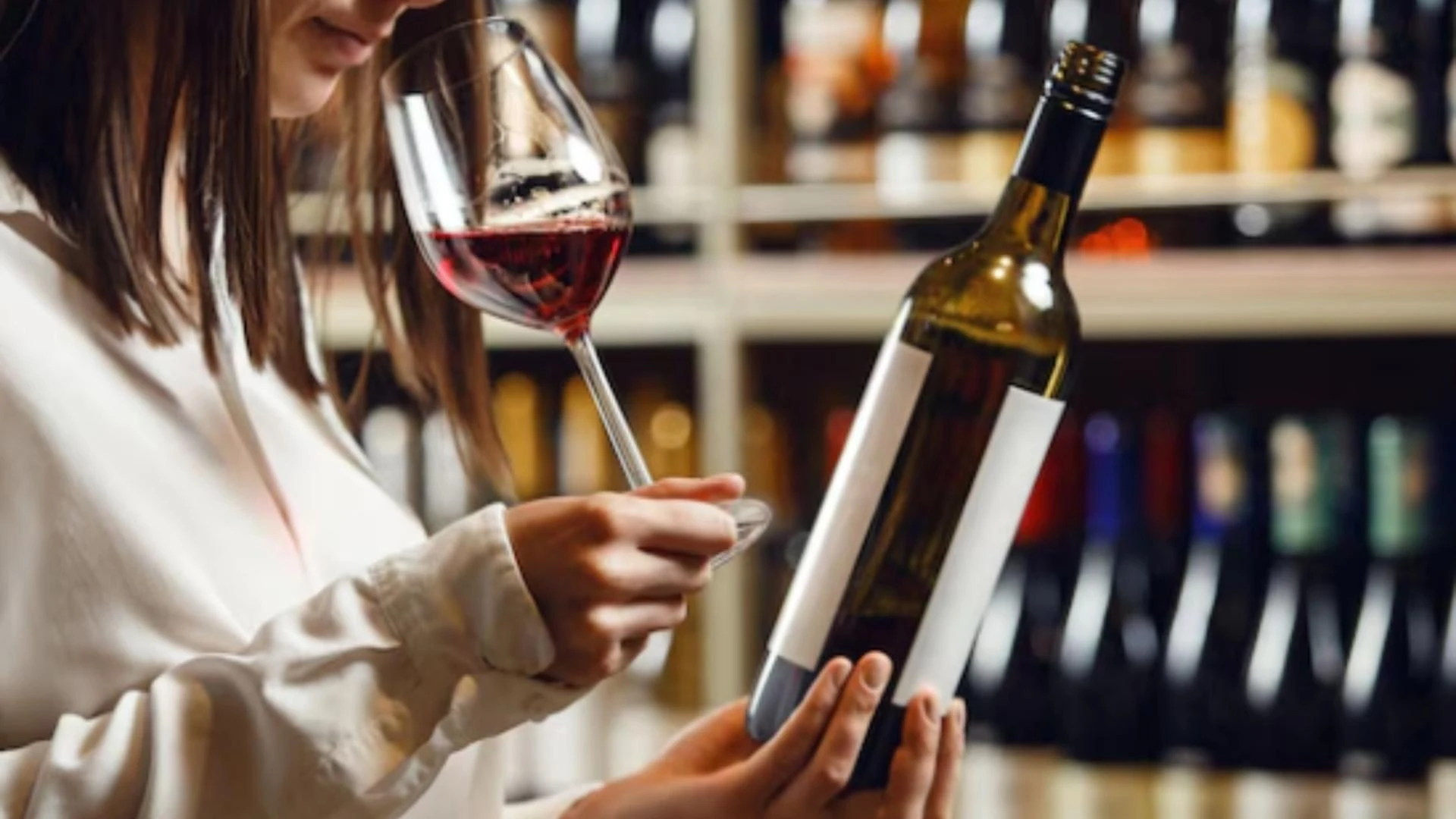

Selling vintage wine can be exciting, rewarding, and even profitable if done the right way. For collectors and wine lovers, turning a treasured bottle into a successful sale is not just about listing it online. It takes careful planning, expert knowledge, and attention to detail.
This blog is your complete checklist for selling vintage wine, designed to make the process smooth, professional, and rewarding.
Understand the Value of Your Vintage Wine
Before selling vintage wine, it’s important to know exactly what you have. Some bottles can be worth hundreds or even thousands of dollars. Start by checking the winery, year, and condition of the bottle. Look for labels that are intact, corks that are firm, and storage conditions that have preserved the wine well.
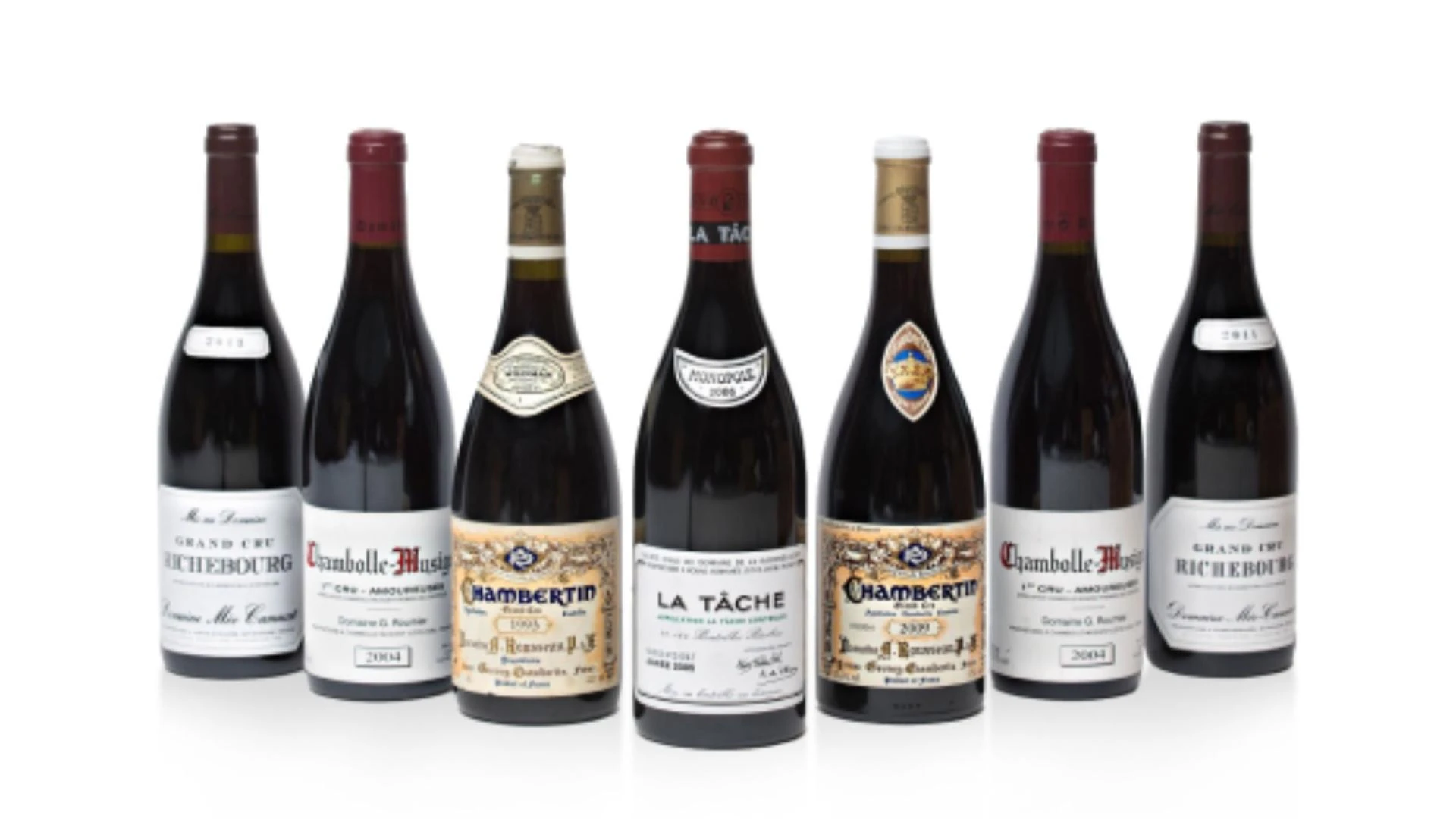
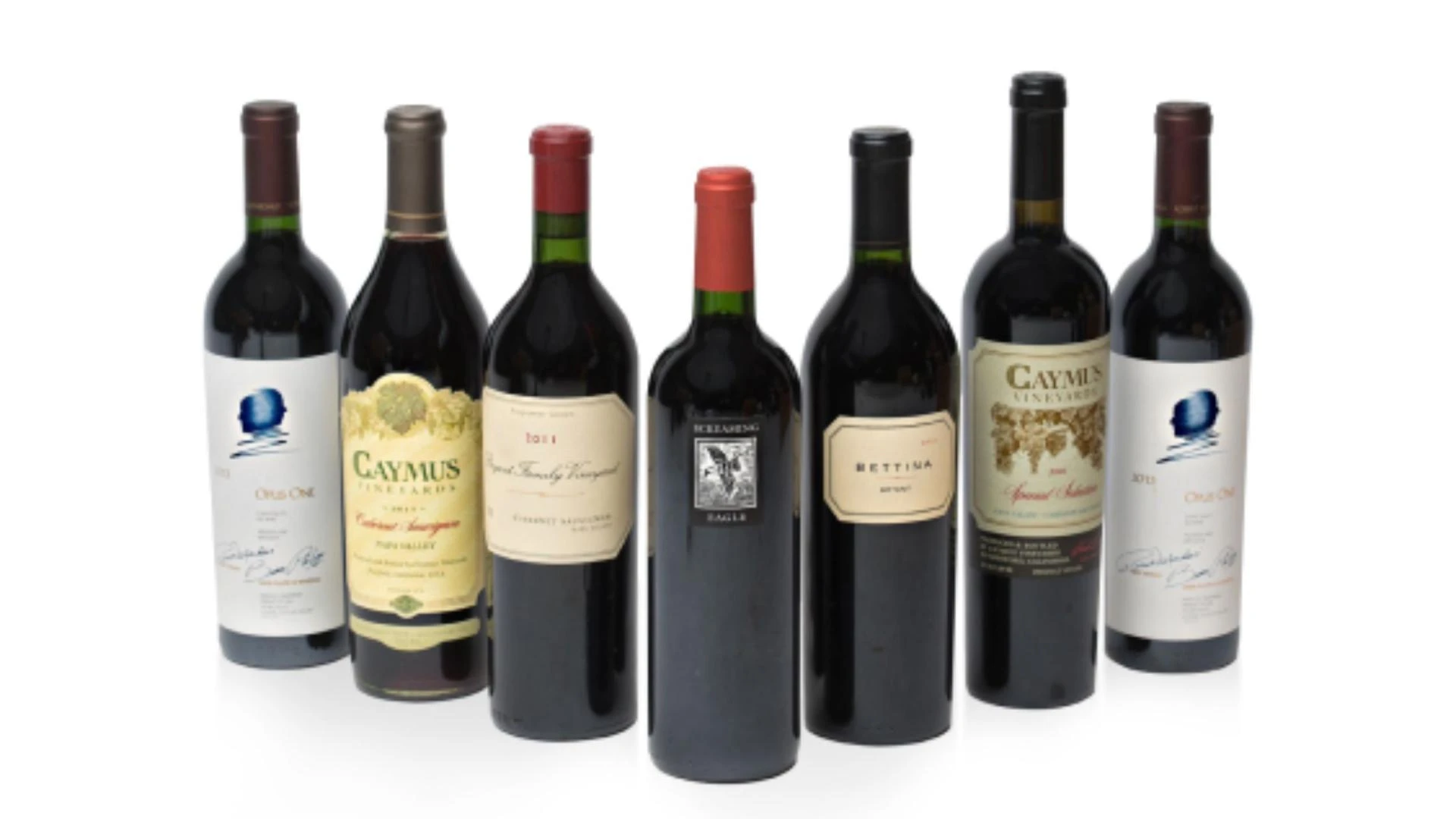
Vintage wine from top vineyards or rare editions often brings higher prices. Collectors pay attention to the smallest details, so having a clear understanding of your wine’s history and uniqueness gives you an advantage in the market.
Properly Store and Present Your Bottles
Presentation and storage play a big role in selling vintage wine. Wine that has been stored in a cool, dark, and stable environment will attract more buyers. Avoid heat, sunlight, or fluctuating temperatures, as these can harm the wine and lower its value.
Presentation is also key. Take clear, well-lit photos showing the label, cork, and bottle condition. Buyers want to see exactly what they are purchasing. Packaging should be secure and professional if the wine needs to be shipped.
Get a Professional Appraisal
A professional appraisal can help you set a fair price for your vintage wine. Wine experts can verify the authenticity, check storage conditions, and give a realistic market value. An accurate appraisal adds credibility and helps buyers trust that they are paying the right amount.
For collectors, having a professional opinion can make the difference between a quick sale and a long wait. This step also protects you from undervaluing a bottle that might be rare or in high demand.
Know Your Market
Selling vintage wine requires knowing your buyers. Are you targeting private collectors, restaurants, wine shops, or online buyers? Each type of buyer has different expectations and buying habits. Research where your type of wine is most in demand.
Online wine marketplaces, auctions, and specialty stores are excellent places to reach serious collectors. Being aware of market trends and popular vintages helps you price your wine competitively.
Set the Right Price
Pricing is one of the most important steps. A bottle priced too high may not sell, while a bottle priced too low could mean losing money. Consider factors like rarity, brand, vintage year, and bottle condition.
Compare your wine to similar listings to get a sense of what buyers are willing to pay. Transparency is important; clearly share details about the bottle’s history, storage, and authenticity. Buyers are more likely to pay a fair price when they trust the seller.
Create a Clear Sales Plan
A strong sales plan helps you stay organized and efficient. Decide if you want to sell locally, online, or through a specialized auction. Plan how to present your wine, how to communicate with potential buyers, and how to handle shipping securely.
A clear plan also includes timing. Certain wines sell better during specific seasons or events. Knowing when to list your wine can maximize interest and price.
Provide Personalized Service
One of the most effective ways to sell vintage wine successfully is by offering personalized service. Answer buyer questions thoroughly, provide extra information about the wine, and offer guidance on storage or pairing suggestions.
Professionalism builds trust, and trust encourages repeat buyers. Collectors often return to sellers who are reliable, knowledgeable, and approachable. A personal touch sets you apart from sellers who only focus on transactions.
Keep Records and Documentation
Good records make your sales process smooth and professional. Keep track of purchase receipts, appraisals, storage notes, and communication with buyers. Proper documentation can prove authenticity and increase buyer confidence.
Documentation also helps you stay organized for tax purposes or future sales. A well-documented bottle is often more attractive to serious collectors.
Market Your Wine Smartly
Marketing your vintage wine requires clear photos, honest descriptions, and targeted promotions. Use social media, wine forums, and online marketplaces to reach collectors. Highlight rare features, awards, and the wine’s history to attract attention.
Marketing is not about exaggeration but showing your wine in the best way. Educating potential buyers with useful information makes them more likely to trust you and make a purchase.
Final Pour
Selling vintage wine successfully is a mix of knowledge, careful planning, and personal attention. By understanding the value, storing bottles correctly, setting fair prices, and offering excellent service, you can attract serious buyers and maximize your returns. Using this checklist ensures you cover every step with professionalism and care. For those looking to connect with collectors and buyers in the heart of the city, exploring opportunities for vintage wine NYC can open doors to a thriving market.

























Sign in to leave a comment.