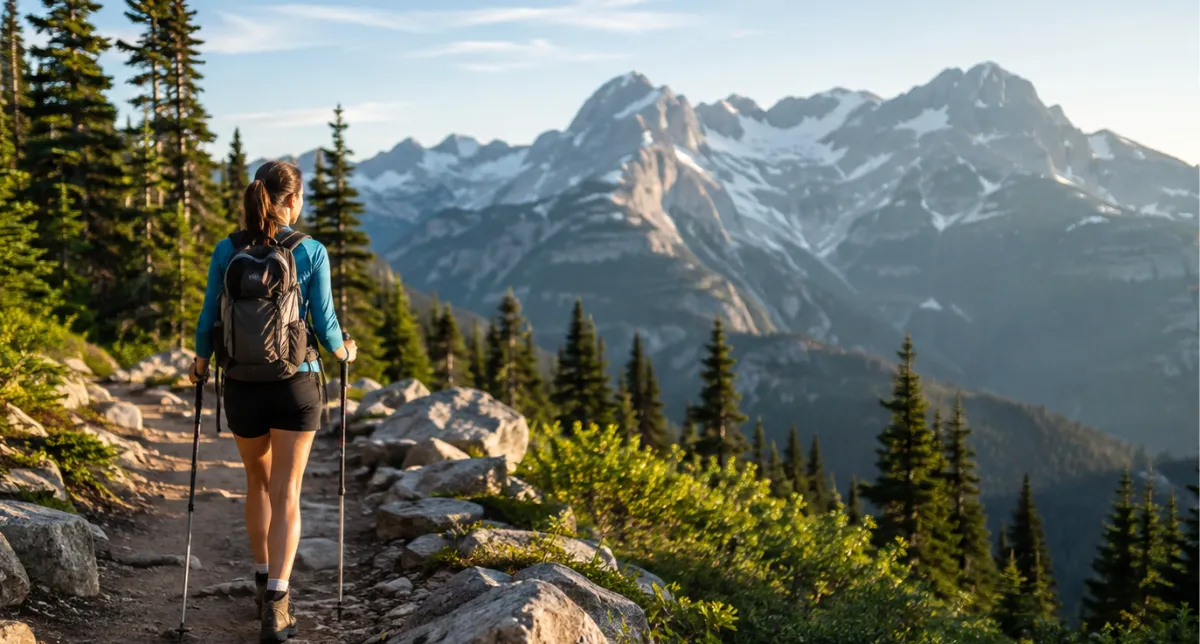

Hiking is one of the simplest ways to spend more time outdoors, but getting started can feel confusing when you are faced with questions about trails, footwear, backpacks, weather, navigation, and safety. The good news is that you do not need to become an expert before taking your first hike. You simply need a sensible plan, suitable equipment, and a willingness to learn. If you want to Learn More about hiking and outdoor preparation, exploring reliable hiking resources can help you make better decisions before heading to the trail.
For beginners, the most important thing is to start at the right level. You do not need to choose the longest or steepest trail to have a worthwhile hiking experience. A manageable route gives you the chance to learn how your body responds, practice using your equipment, and gradually develop confidence.
What Should Beginners Know Before Hiking?
Hiking is essentially walking on a natural trail, but the experience can vary dramatically depending on the environment.
A short, flat woodland path may be relatively straightforward, while a mountain route can involve steep climbs, rocky terrain, changing weather, and more demanding navigation.
Before choosing a trail, consider:
- Distance
- Elevation gain
- Terrain
- Weather conditions
- Trail difficulty
- Expected duration
- Water availability
- Navigation requirements
- Your current fitness level
Distance is only one part of the equation. A short trail with significant elevation can require more effort than a longer route with gentle terrain.
Choose Your First Hiking Trail Carefully
Your first hike should be challenging enough to feel like an adventure without being unnecessarily difficult.
Look for a well-established trail with clear information about its distance and difficulty. If possible, choose somewhere where you can easily return to the trailhead if you become tired or the weather changes.
Avoid selecting a route simply because photographs make it look spectacular. A beautiful viewpoint can still involve a demanding climb to reach it.
As you gain experience, you can gradually increase the difficulty.
Wear Comfortable Hiking Footwear
Your feet are doing the work throughout the hike, so footwear should be one of your first considerations.
For easy trails, comfortable walking or trail footwear may be enough. More rugged routes may require footwear with better traction, stability, and protection.
The most important factor is fit. Your footwear should feel secure without causing painful pressure.
If you buy new hiking shoes or boots, test them on shorter walks before taking them on a long trail. This gives you a chance to discover whether they cause rubbing or discomfort.
Do not forget your socks. A comfortable pair suited to the conditions can make a noticeable difference during a longer walk.
Dress for Changing Conditions
Outdoor conditions can be different from what you experience at home.
Instead of relying on a single heavy layer, consider clothing that allows you to adjust as temperatures change.
Depending on the weather and environment, useful clothing may include:
- Comfortable base layers
- A warm insulating layer
- Rain protection
- Sun protection
- Appropriate hiking trousers or shorts
- Extra clothing for longer trips
Avoid wearing cotton-heavy clothing when conditions are likely to be wet or cold if you have better-suited alternatives available.
Always check the forecast before leaving, but remember that weather can change.
Pack the Essentials
You do not need to fill your backpack with every piece of outdoor equipment available.
For a typical day hike, consider carrying:
- Water
- Snacks or food
- Phone
- Navigation tools
- Basic first-aid supplies
- Rain protection
- Extra clothing when appropriate
- Headlamp or flashlight
- Personal essentials
The exact list should depend on the trail.
A short hike close to roads and facilities may require less preparation than a remote route where assistance is harder to reach.
The key is to understand the potential conditions and prepare accordingly.
Bring Enough Water
Hydration is particularly important during warm-weather or physically demanding hikes.
Your water requirements depend on factors such as temperature, duration, physical effort, and individual needs. Plan your supply before leaving rather than assuming that you will easily find safe drinking water.
Natural water sources should not automatically be treated as safe. If you intend to collect water during a hike, learn about appropriate treatment methods and local conditions.
On longer hikes, think about both how much water you need and how you will carry it comfortably.
Take Food and Snacks
Even if you plan to finish your hike around lunchtime, carrying some food is a sensible habit.
Snacks can provide energy during breaks and become particularly useful if the hike takes longer than expected.
Choose food that is convenient to carry and easy to eat on the trail. You do not need complicated meals for a typical day hike.
For longer outings, plan your food more carefully and consider what will remain practical in the expected weather.
Learn Basic Navigation
Navigation is one of the most useful skills a beginner can develop.
Before starting, look at the route and understand where major intersections, turns, and landmarks are located.
A smartphone can be useful, but do not depend completely on mobile coverage or battery power. Download maps for offline use when possible.
On unfamiliar trails, check your location periodically. If the route stops matching your expectations, pause and figure out where you are instead of continuing and hoping the trail becomes obvious.
For more remote hiking, consider carrying an additional navigation method appropriate for your experience and environment.
Understand Your Pace
A common beginner mistake is starting too quickly.
At the beginning of a hike, you may feel energetic and naturally walk faster. Later, that pace can become difficult to maintain.
Try to establish a sustainable rhythm from the start.
On uphill sections, shorten your steps and slow down when necessary. Take breaks when you need them, but avoid turning every small hill into a long rest stop.
Hiking is not a competition. A comfortable pace allows you to enjoy your surroundings while managing your energy.
Learn How to Handle Different Terrain
Trail conditions can change quickly.
On flat ground, normal walking may feel natural. On rocky sections, you need to pay more attention to foot placement. Mud may require shorter, more controlled steps, while steep descents require careful balance.
Look ahead rather than staring only at your feet. This allows you to anticipate obstacles and choose a better path.
Trekking poles can also be useful on uneven or steep terrain. If you use them, practice on easier ground first so you understand how to adjust and move with them.
Pay Attention to Weather
Weather should always be part of your hiking plan.
Check the forecast before leaving and think about how conditions could affect your route. Rain can make surfaces slippery, heat can increase physical strain, and strong winds can make exposed terrain more difficult.
If conditions become significantly worse than expected, be willing to change your plans.
Turning around is a responsible hiking decision when continuing no longer makes sense.
Tell Someone Where You Are Going
If you are hiking alone, tell someone your plans.
Provide the trail or general location, your expected return time, and any important details about your route.
This is particularly useful for remote hiking.
You should also consider what you will do if you are delayed. Give yourself enough time to complete the hike without relying on perfect conditions.
Respect Nature and Other Hikers
Being a good hiker also means taking care of the places you visit.
Stay on designated trails where required, carry your waste out, respect wildlife, and follow local regulations.
Avoid approaching wild animals or feeding them. Give other hikers appropriate space and follow any trail-specific rules.
A clean and respectful trail experience benefits everyone.
Common Beginner Mistakes to Avoid
Several mistakes appear again and again among new hikers.
Choosing a Difficult Trail Too Soon
Build experience gradually rather than attempting a demanding route immediately.
Ignoring the Weather
Always check conditions before leaving and be prepared to adjust your plans.
Wearing Uncomfortable Shoes
Test footwear before using it on a long hike.
Carrying Too Little Water
Plan hydration based on the actual conditions and duration of the hike.
Relying Only on Your Phone
Have a backup approach to navigation when appropriate.
Starting Too Fast
Use a pace that you can maintain throughout the route.
Ignoring Physical Warning Signs
If you feel unusually unwell, stop and reassess rather than automatically pushing forward.
How to Progress as a Hiker
Once you are comfortable with easy trails, increase the challenge gradually.
You might first increase distance, then introduce more elevation, uneven terrain, or longer routes. Avoid changing every variable at once.
After each hike, think about what you learned.
Was your backpack comfortable? Did you bring enough water? Was your footwear suitable? Did you underestimate the climb? Did you navigate confidently?
These observations help you make smarter choices on future trips.
Final Thoughts
Becoming a confident hiker is a gradual process. Start with realistic trails, learn the basics of preparation and navigation, use suitable equipment, and pay attention to weather and your physical condition.
You do not need to know everything before your first hike. Every trail can teach you something.
With consistent practice and sensible planning, those first short walks can eventually lead to longer routes, steeper terrain, and much more rewarding outdoor adventures.



























Sign in to leave a comment.