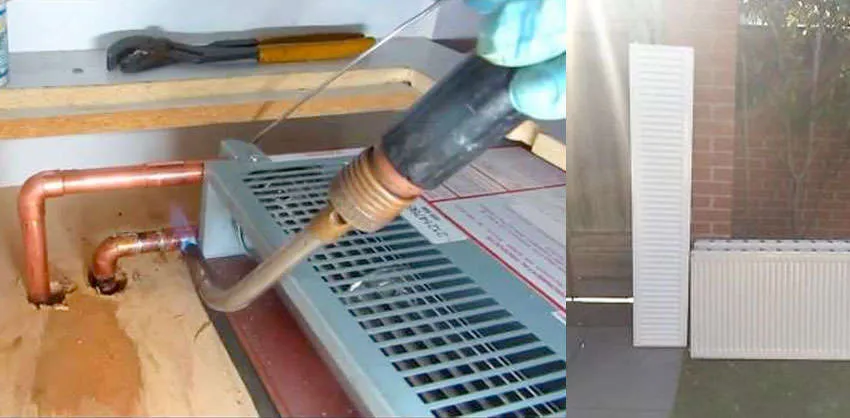

As Melbourne homeowners continue searching for energy-efficient and environmentally friendly heating solutions, hydronic heat pump installation in Melbourne has become one of the fastest-growing choices. Combining the comfort of hydronic heating with the efficiency of modern heat pump technology, these systems provide consistent warmth while significantly reducing energy consumption and running costs.
Whether you're building a new home or upgrading an existing heating system, understanding how hydronic heat pumps work can help you make an informed investment.
What Is a Hydronic Heat Pump System?
A hydronic heat pump uses electricity to extract heat from the outside air and transfer it to water. The heated water then circulates through insulated pipes connected to underfloor heating, wall-mounted radiators, towel rails, or fan coil units to warm your home.
Unlike conventional electric heaters that generate heat directly, heat pumps move existing heat, making them much more energy efficient. Even during Melbourne's cooler months, modern air-to-water heat pumps can operate effectively in low outdoor temperatures.
Why Hydronic Heat Pumps Are Ideal for Melbourne Homes
Melbourne experiences cool winters and variable weather, making reliable heating essential. Hydronic heat pumps in Melbourne perform exceptionally well in these conditions while offering several advantages over traditional gas or electric heating systems.
Some key benefits include:
- Lower energy consumption
- Reduced greenhouse gas emissions
- Quiet operation
- Even and comfortable heating
- Compatibility with solar power systems
- Lower long-term running costs
- No indoor combustion or emissions
As more Victorian households transition away from gas, hydronic heat pumps offer a future-ready heating solution that supports sustainability goals.
How Does Hydronic Heat Pump Installation Work?
Professional installation ensures the system operates efficiently for many years. Although every property is different, the installation process generally includes the following steps.
1. Home Assessment
An experienced installer conducts a detailed heat load calculation to determine the heating requirements for each room. Factors considered include:
- Home size
- Insulation quality
- Window orientation
- Ceiling height
- Local climate
- Floor coverings
This assessment ensures the heat pump is correctly sized for maximum efficiency.
2. System Design
The installer designs a customised hydronic heating layout based on your home's requirements. This includes selecting:
- Heat pump capacity
- Underfloor heating zones
- Radiator locations
- Pipe routing
- Thermostat positions
- Hot water integration (if applicable)
Proper zoning allows homeowners to heat only occupied areas, reducing energy usage.
3. Installing Pipework
Highly insulated pipes are installed beneath floors or connected to radiators and heating panels. Good insulation helps minimise heat loss and improves overall system efficiency.
4. Heat Pump Installation
The outdoor heat pump unit is positioned in a well-ventilated location with sufficient airflow. The unit connects to the hydronic system and begins transferring heat into the circulating water.
5. Commissioning and Testing
Once installed, the system is tested to verify:
- Correct water flow
- Operating pressure
- Temperature settings
- Thermostat controls
- Overall performance
Homeowners also receive guidance on operating and maintaining the system.
Benefits of Hydronic Heat Pump Installation
Outstanding Energy Efficiency
Hydronic heat pumps typically produce three to five units of heat for every unit of electricity consumed. This high efficiency can significantly reduce household energy bills compared to conventional electric heating.
Consistent Indoor Comfort
Unlike ducted systems that create hot and cold spots, hydronic heating delivers gentle, radiant warmth evenly throughout each room.
Improved Indoor Air Quality
Because hydronic systems don't blow air around the home, they minimise the circulation of dust, allergens, and pollen. This makes them an excellent choice for people with asthma or allergies.
Quiet Performance
Heat pumps operate much more quietly than many traditional heating systems, creating a peaceful indoor environment.
Reduced Carbon Footprint
When paired with rooftop solar panels, hydronic heat pumps can substantially reduce household carbon emissions while lowering electricity costs.
Can Existing Homes Install Hydronic Heat Pumps?
Yes. Although installation is easiest during new home construction, many Melbourne homeowners successfully retrofit hydronic heat pump systems into existing properties.
Options include:
- Wall-mounted radiators
- Designer radiators
- Heated towel rails
- Fan coil units
- Partial underfloor heating during renovations
A professional assessment will determine the most suitable solution for your home's layout.
How Much Does Hydronic Heat Pump Installation Cost in Melbourne?
Installation costs vary depending on several factors, including:
- Property size
- Number of heating zones
- Heat pump capacity
- Underfloor heating or radiator system
- Existing plumbing
- Level of insulation
- System controls
While the initial investment is generally higher than conventional heating systems, the lower operating costs and longer lifespan often deliver significant savings over time.
Requesting a detailed quote from an experienced installer ensures the system is tailored to your home's specific heating requirements.
Choosing the Right Installer
Selecting a qualified installer is just as important as choosing the equipment itself.
Look for companies that offer:
- Experience with hydronic heating systems
- Heat load calculations
- Custom system design
- Quality European or Australian-approved equipment
- Manufacturer warranties
- Ongoing servicing and support
- Transparent quotations
A properly designed and installed system will deliver better efficiency, lower running costs, and improved comfort.
Maintenance Requirements
Hydronic heat pump systems require relatively little maintenance compared to many heating alternatives.
Routine servicing may include:
- Checking water pressure
- Inspecting pumps and valves
- Cleaning filters where applicable
- Verifying thermostat operation
- Inspecting the outdoor heat pump unit
- Testing system performance
Annual servicing helps maintain peak efficiency and prolongs the system's lifespan.
Is a Hydronic Heat Pump Worth It?
For many Melbourne households, the answer is yes.
Hydronic heat pumps combine energy efficiency, comfort, quiet operation, and sustainability into one heating solution. As electricity increasingly replaces gas in Australian homes, investing in a modern hydronic heat pump system helps future-proof your property while reducing long-term energy costs.
Whether you're building a new home or upgrading your existing heating, a professionally designed hydronic heat pump system provides reliable warmth throughout Melbourne's cooler months with lower environmental impact.
Frequently Asked Questions
How long does a hydronic heat pump installation take?
Most residential installations take between two and five days, depending on the property's size and the complexity of the system.
Are hydronic heat pumps suitable for Melbourne's climate?
Yes. Modern air-to-water heat pumps are specifically designed to operate efficiently in Melbourne's cool winter conditions.
Can hydronic heat pumps work with solar panels?
Absolutely. Combining a hydronic heat pump with solar power can significantly reduce electricity costs and improve energy efficiency.
Do hydronic heat pumps provide cooling?
Some advanced air-to-water heat pump systems can provide cooling when paired with compatible fan coil units. However, standard hydronic underfloor heating systems are primarily designed for heating.
How long does a hydronic heat pump last?
With professional installation and regular maintenance, quality hydronic heat pump systems can provide reliable performance for 15–20 years or more.
























Sign in to leave a comment.