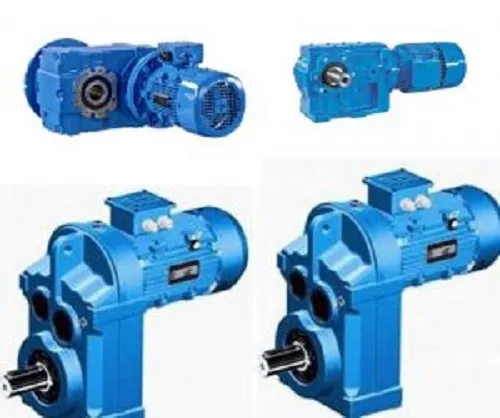

Selecting the right geared motor is one of those decisions that often gets less attention than it deserves, until something goes wrong on the production line. A geared motor sits at the heart of countless industrial applications, from conveyor systems and packaging lines to mixers, cranes, and material handling equipment. When the wrong unit is selected, the consequences ripple through the entire system: premature wear, overheating, inefficient energy use, and unplanned downtime that can halt production for hours or days.
Despite how critical this component is, selection mistakes remain surprisingly common across industries. In this blog, we break down the most frequent errors made during geared motor selection and share practical guidance to help engineers and procurement teams avoid them.
Why Geared Motor Selection Deserves Careful Attention
A geared motor combines an electric motor with a gearbox to deliver a specific speed and torque output suited to a particular application. Unlike standalone motors, geared motors must be matched not just to electrical requirements but also to mechanical load characteristics, duty cycles, environmental conditions, and the physical constraints of the machine they power. This multi-dimensional nature of selection is exactly why mistakes happen so often. A choice that looks correct on paper for torque alone might fail when other factors like shock loads or ambient temperature are factored in.
Mistake 1: Focusing Only on Horsepower or Power Rating
One of the most common errors is selecting a geared motor based purely on horsepower or kilowatt rating without considering the torque and speed requirements of the actual application. Power rating alone doesn’t tell the full story. Two motors with identical power ratings can deliver very different torque outputs depending on their speed, and torque is often the more critical factor for applications involving heavy loads or frequent starts and stops.
How to avoid it: Calculate the required torque at the output shaft based on actual load conditions, including starting torque, running torque, and any peak loads the system might experience. Work backward from this torque requirement, along with the desired output speed, to determine the appropriate motor and gear ratio combination rather than starting with power rating alone.
Mistake 2: Ignoring Duty Cycle and Operating Conditions
Many buyers select geared motors based on continuous duty assumptions, even when the actual application involves intermittent operation, frequent starts and stops, or variable loads. This mismatch between assumed and actual duty cycle is a leading cause of premature motor failure and overheating.
How to avoid it: Clearly define the application’s duty cycle, including how often the motor starts and stops, how long it runs continuously, and whether loads fluctuate significantly during operation. Applications with frequent cycling or shock loads typically require motors and gearboxes rated for these specific conditions, rather than standard continuous-duty units.
Mistake 3: Overlooking Service Factor and Safety Margins
Service factor represents the safety margin built into a geared motor’s design to handle occasional overloads or variations beyond normal operating conditions. Selecting a unit with little to no margin above calculated requirements might seem cost-effective initially, but it leaves no buffer for real-world variability, leading to accelerated wear and reduced equipment lifespan.
How to avoid it: Apply an appropriate service factor based on the application’s risk profile. Applications with shock loading, frequent reversals, or critical uptime requirements generally warrant a higher service factor, even if it means a slightly higher upfront cost. This investment typically pays off through extended equipment life and fewer unplanned failures.
Mistake 4: Neglecting Environmental and Installation Conditions
Geared motors are often selected based purely on mechanical and electrical specifications, with little consideration given to the environment in which they’ll operate. Factors like ambient temperature, humidity, dust exposure, washdown requirements, and mounting orientation can significantly affect performance and longevity if not properly accounted for.
How to avoid it: Document the full operating environment before finalizing a selection, including temperature ranges, exposure to moisture or corrosive substances, and any specific enclosure ratings required. Mounting orientation also matters, since some gearbox designs perform differently depending on whether they’re mounted horizontally, vertically, or at an angle. Sharing these details with the supplier upfront helps ensure the selected unit is genuinely suited to its intended environment.
Mistake 5: Choosing the Wrong Gear Reduction Ratio
Selecting an incorrect gear ratio is another frequent misstep, often resulting from miscalculating the relationship between input speed, output speed, and torque multiplication. An incorrect ratio can lead to either insufficient torque for the application or excessive speed that compromises control and safety.
How to avoid it: Carefully calculate the exact reduction ratio needed based on the motor’s input speed and the application’s required output speed. Double-check these calculations against the specific load and torque requirements, and consult gear ratio charts or selection software provided by reputable manufacturers to confirm the combination delivers the intended performance.
Mistake 6: Underestimating Mounting and Space Constraints
It’s not uncommon for engineers to select a geared motor based purely on performance specifications, only to discover later that it doesn’t physically fit within the available space or mounting configuration of the machine. This oversight can lead to costly redesigns or last-minute substitutions that compromise performance.
How to avoid it: Take precise measurements of available mounting space, shaft alignment requirements, and clearance needs before finalizing equipment selection. Reviewing detailed dimensional drawings from the manufacturer and confirming compatibility with existing machine frames or couplings early in the process prevents these last-minute complications.
Mistake 7: Overlooking Total Cost of Ownership
Many buyers focus exclusively on the upfront purchase price when comparing geared motor options, without factoring in long-term operating costs such as energy efficiency, maintenance requirements, and expected service life. A cheaper unit upfront might end up costing significantly more over its operational lifetime due to higher energy consumption or more frequent servicing.
How to avoid it: Evaluate geared motors based on total cost of ownership rather than purchase price alone. This includes considering energy efficiency ratings, expected maintenance intervals, availability of spare parts, and the manufacturer’s reputation for reliability and after-sales support.
Mistake 8: Insufficient Consultation with Experienced Suppliers
Perhaps the most overlooked mistake is attempting to make complex selection decisions without consulting experienced engineering teams who specialize in geared motor applications. Generic catalog selections without proper application review often miss critical nuances specific to a particular use case.
How to avoid it: Engage with experienced manufacturers or engineering partners early in the selection process. Established suppliers such as Santram Engineers bring application-specific expertise that helps identify the right combination of motor, gearbox, and configuration tailored to the exact demands of your equipment, reducing the risk of costly selection errors down the line.
Building a Reliable Selection Process
Avoiding these common mistakes ultimately comes down to building a structured, thorough selection process rather than relying on quick assumptions or generic catalog choices. This means clearly defining application requirements upfront, including torque, speed, duty cycle, and environmental conditions, calculating safety margins appropriately based on real-world variability, considering total cost of ownership rather than just upfront price, and consulting with knowledgeable suppliers who can validate selections against actual application data.
A geared motor that’s correctly matched to its application doesn’t just perform reliably, it does so efficiently, with a longer service life and fewer unexpected maintenance demands. Given how central these components are to industrial operations, the time invested in proper selection consistently pays dividends through reduced downtime, lower energy costs, and extended equipment lifespan.
Final Thoughts
Geared motor selection is a deceptively complex process that deserves more attention than it typically receives. The mistakes outlined above, from focusing solely on power rating to neglecting environmental conditions and total cost of ownership, are all avoidable with careful planning and the right technical guidance. By taking a structured approach and involving experienced engineering expertise early in the process, businesses can ensure their equipment performs reliably for years to come, avoiding the costly cycle of premature failures and unplanned downtime that often results from poor initial selection decisions.
Frequently Asked Questions
1. What is the most important factor to consider when selecting a geared motor?
While power rating is often the first specification buyers look at, torque requirements based on actual load conditions are typically more critical. Calculating the required starting torque, running torque, and any peak loads helps ensure the selected unit can handle real operating conditions, not just theoretical power needs.
2. How does duty cycle affect geared motor selection?
Duty cycle refers to how frequently a motor starts, stops, and runs under load. Applications with intermittent operation or frequent cycling require different motor and gearbox specifications than continuous-duty applications. Ignoring this distinction often leads to overheating, premature wear, and reduced equipment lifespan.
3. Why is total cost of ownership important when choosing a geared motor?
Focusing only on upfront purchase price can be misleading, since energy efficiency, maintenance requirements, and expected service life significantly impact long-term costs. A slightly more expensive unit with better efficiency and durability often proves more economical over its operational lifetime than a cheaper alternative with higher running costs.
























Sign in to leave a comment.