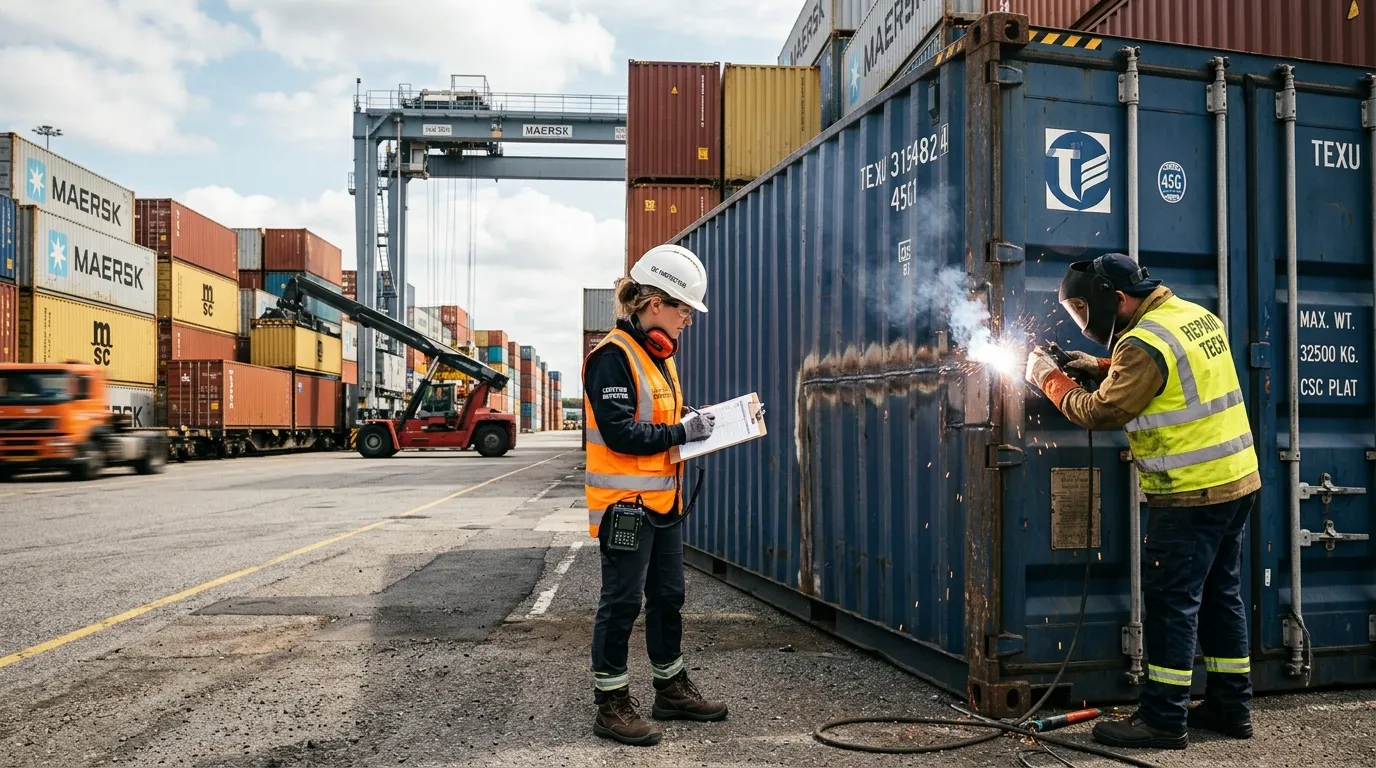

In the complex world of logistics, no company is an island. The sheer volume of containers moving through the UK's ports every day requires a vast network of specialists working together. This is where container subcontractor work becomes essential. When a logistics provider needs extra capacity, specialised equipment, or coverage in a new region, they turn to subcontractors who can deliver.
This guide explores the world of container subcontracting, explaining how it works, why businesses use it, and what to look for in a reliable partner. Whether you are a logistics company seeking extra support or a transport operator looking for subcontractor opportunities, understanding this field is crucial for success.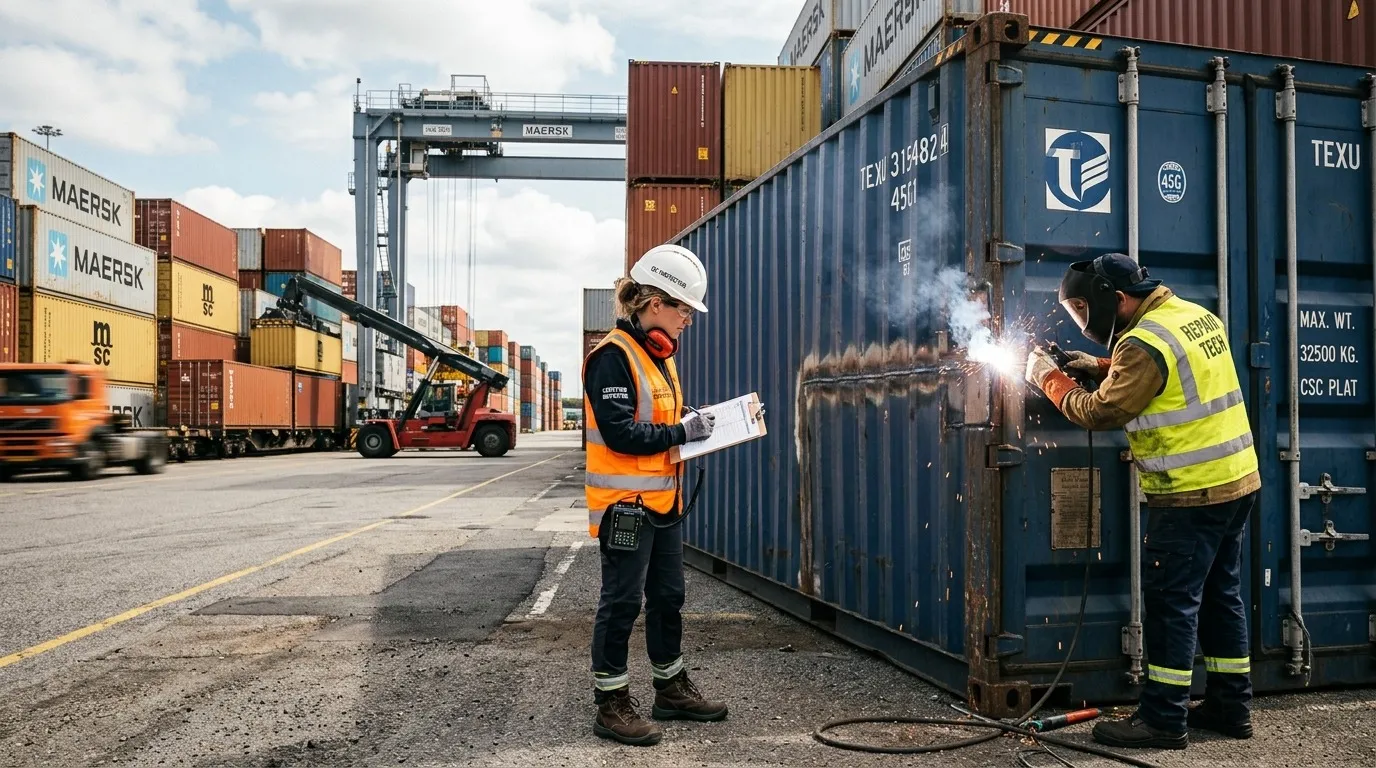
What Is Container Subcontractor Work?
At its simplest, container subcontractor work involves a logistics company hiring an external firm to handle specific container transport tasks. The subcontractor operates as an extension of the primary contractor's business, moving containers between ports, warehouses, and distribution centres.
This arrangement allows logistics providers to offer comprehensive services without maintaining a fleet large enough to handle peak demand. When seasonal volumes spike or a new client requires service in an unfamiliar area, subcontractors fill the gap. The primary contractor remains responsible to the client, but the physical work is performed by the subcontractor.
The subcontractor relationship requires clear communication, shared standards, and mutual trust. The subcontractor represents the primary contractor's brand, so service quality must be consistent. This is why many established logistics companies carefully select their subcontractor partners.
Why Businesses Use Container Subcontractors
The logistics industry is dynamic and unpredictable. Several factors drive the need for subcontractor support in container transport.
Managing Seasonal Peaks
Container volumes fluctuate throughout the year. Before Christmas, during Chinese New Year, and around major sales events, the demand for container transport surges. Logistics providers with fixed fleets cannot meet these peaks without subcontractors. Bringing in external capacity for a few months is far more cost-effective than maintaining idle vehicles during quiet periods.
Geographic Expansion
When a logistics company wins business in a new region, they may lack the local infrastructure to service it efficiently. Subcontractors with established depots and local knowledge can provide immediate coverage. This allows the primary contractor to offer nationwide services without building new facilities.
Specialised Expertise
Some container transport requires specialised equipment or training. Transporting refrigerated containers, hazardous materials, or oversized cargo demands specific skills. Instead of investing in niche capabilities, logistics providers can subcontract to experts who already possess the necessary equipment and certifications.
Fleet Flexibility
Subcontracting provides operational flexibility without capital commitment. During busy periods, more vehicles are available. When demand drops, the contractor simply reduces their use of subcontractors. This pay-as-you-go model offers financial advantages compared to owning a large fleet.
Types of Containers Subcontractor Work
Container subcontracting covers a wide range of activities, each with its own requirements and challenges.
Port-to-Door Transport
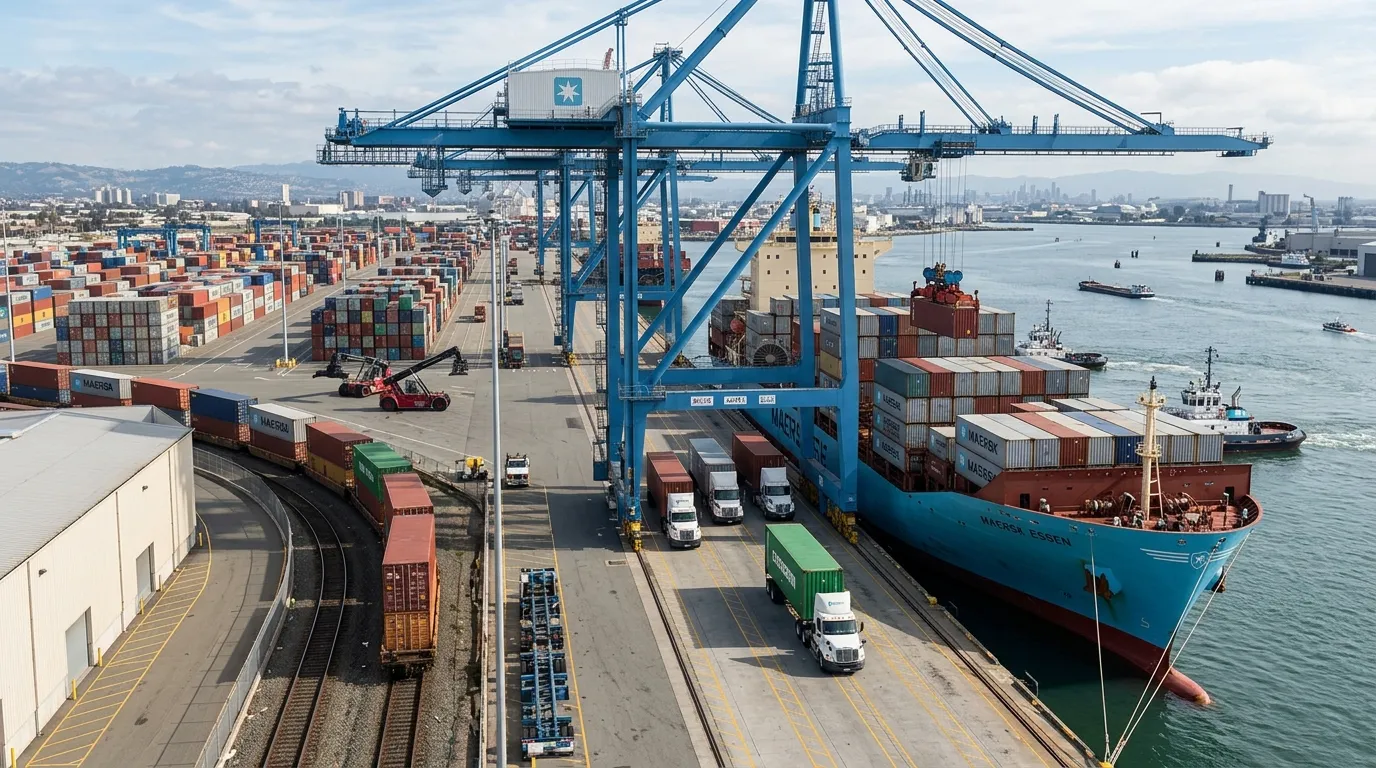
The most common subcontractor work involves moving containers from ports to warehouses or distribution centres. This service requires drivers who understand port procedures, can navigate busy terminal environments, and deliver on tight schedules. Major UK ports like Felixstowe, Southampton, London Gateway, and Tilbury see constant demand for this work.
Import and Export Haulage
Subcontractors handle both inbound and outbound container movements. Import containers come off ships and go to warehouses or directly to customers. Export containers travel from factories to ports for loading onto vessels. Both require precise timing to avoid demurrage charges.
Door-to-Door and Port-to-Port Services
Some clients require collection directly from their premises and delivery to another location. Others simply need containers moved between ports or from a port to a rail terminal. Subcontractors must adapt to different requirements and maintain accurate records of each move.
Specialist Container Transport
Not all containers are standard dry boxes. Reefers require temperature monitoring and careful handling. Dangerous goods need ADR-certified drivers and proper documentation. Tank containers transporting liquids demand specialised equipment. Subcontractors with these capabilities are highly valued.
How to Find Containers Subcontractor Work
For transport operators looking to become subcontractors, opportunities exist across the UK logistics sector. Several companies actively seek reliable partners.
Major Haulage Firms
Established container haulage companies frequently expand their subcontractor networks. EWM Transport, for instance, operates over 100 vehicles daily and relies on dedicated subcontractors alongside its own fleet. The company has depots at Felixstowe, Southampton, and London Gateway.
ATL Haulage Contractors Ltd also maintains a network of subcontractor partners. They offer regular work, trailer hire, and weekly payments to owner-drivers and small operators who share their commitment to quality service.
Port-Centric Operators
Companies with depots strategically located near major ports need subcontractors to handle overflow work. Walton Transport and Logistics Ltd, based near Felixstowe, regularly seeks additional subcontractors for work from Felixstowe and London Gateway.
Specialised Subcontractors
In some cases, subcontractors themselves are specialists in niche areas. Logistics providers may subcontract reefer work, hazardous goods transport, or liquid cargo to firms with proven expertise. This specialisation creates opportunities for operators who invest in training and equipment.
Key Considerations for Subcontractor Relationships
Successful container subcontracting depends on several factors. Both parties must understand what is required and communicate clearly.
Equipment and Fleet Requirements
Subcontractors must operate reliable, well-maintained vehicles. Many primary contractors specify minimum age for trucks and trailers or require vehicles to meet certain safety standards. For container work, skeletal trailers are typically required, though some roles may need flatbeds or specialist equipment.
Operational Standards
Subcontractors represent the primary contractor's brand. They must adhere to the same operational standards, including on-time delivery, safe driving, and proper handling of cargo. Many primary contractors have quality management certifications like ISO 9001, ISO 14001, and ISO 45001, and they expect subcontractors to meet similar standards.
Compliance and Safety
Container transport is heavily regulated. Subcontractors must comply with UK road transport laws, port security regulations, and any specific requirements for the cargo they carry. Drivers must hold appropriate qualifications, including ADR certification for dangerous goods. Safety is paramount for protecting cargo, personnel, and the environment.
Communication and Visibility
Real-time communication is essential. Primary contractors need to know where containers are and when they will arrive. Many use tracking systems and maintain dispatch teams that coordinate with subcontractors throughout the day. Subcontractors who provide timely updates and respond quickly to queries are valued.
Benefits of Becoming a Container Subcontractor
For transport operators, subcontracting offers several advantages compared to building a direct client base.
Consistent Work
Established logistics providers can offer regular, predictable work. Subcontractors can plan their schedules with confidence, knowing they will have steady demand throughout the year. This stability allows for better resource planning and financial management.
No Sales Burden
Subcontractors focus on operations while the primary contractor handles sales, marketing, and client relationships. This removes the burden of finding customers and managing accounts, allowing operators to concentrate on what they do best.
Flexible Arrangements
Many contractors offer flexible terms, including ad-hoc jobs and fixed-term agreements. Operators can choose arrangements that suit their capacity and long-term goals. Some prefer regular work, while others value the freedom to accept or decline jobs .
Equipment Support
Some primary contractors offer trailer hire and depot parking, reducing the capital investment required for new operators. This makes it easier for small operators to enter the market and grow their businesses.
Growth Opportunities
Strong performance can lead to increased work and long-term partnerships. Subcontractors who consistently deliver quality service may become preferred partners, receiving priority when new work becomes available.
Challenges in Containers Subcontractor Work
While subcontracting offers many benefits, it also presents challenges that operators must navigate.
Variable Demand
Work volumes can fluctuate, particularly during economic uncertainty or seasonal shifts. Subcontractors need financial resilience to weather quieter periods. Building relationships with multiple primary contractors can provide a more stable workload.
Rate Pressure
Competition in container transport is intense. Primary contractors seek competitive rates, which can put pressure on subcontractor margins. Operators who can demonstrate reliability and efficiency often command better rates.
Compliance Complexity
Regulatory requirements are extensive and constantly evolving. Subcontractors must stay informed about changes in transport law, customs procedures, and safety regulations. Failing to comply can result in penalties and damage to reputation.
Equipment Costs
Maintaining a modern, reliable fleet is expensive. Subcontractors must balance the need for quality equipment against cost constraints. Some overcome this by partnering with contractors who provide trailer hire or leasing options.
Future Outlook for Container Subcontracting
The container transport industry is evolving, and subcontracting will continue to play a vital role. Several trends are shaping the future.
Digital Integration
Technology is improving communication and visibility between contractors and subcontractors. Real-time tracking, automated booking systems, and digital documentation streamline operations and reduce errors. Subcontractors who embrace technology will have a competitive advantage.
Sustainability Pressures
Environmental regulations are pushing the industry towards cleaner operations. Subcontractors with fuel-efficient vehicles or alternative fuel capabilities will be in high demand as primary contractors seek to reduce their carbon footprint.
Consolidation
The logistics sector is seeing increasing consolidation, with larger firms expanding their networks. This creates opportunities for subcontractors who can meet the standards of major players, while smaller operators may face greater competition.
Driver Shortages
The shortage of qualified HGV drivers continues to affect the industry. Subcontractors with experienced, reliable drivers are highly sought after. Investing in driver retention and training will be essential for long-term success.
Conclusion
Container subcontractor work is the hidden engine that keeps UK logistics moving. From peak season support to specialist expertise, subcontractors enable primary contractors to deliver comprehensive, reliable services. For transport operators, subcontracting offers consistent work, growth opportunities, and a chance to build long-term partnerships.
Success in this field depends on reliability, communication, and compliance. Subcontractors must meet operational standards, maintain safe equipment, and keep clients informed. In return, they gain steady work and the potential for business growth. As the logistics industry continues to evolve, subcontractors who adapt to new technologies and sustainability requirements will thrive.
Whether you are a logistics provider seeking capacity or a transport operator looking for work, understanding the container subcontracting landscape is essential. The right partnerships, built on trust and shared values, will keep goods moving and businesses growing across the UK.























Sign in to leave a comment.