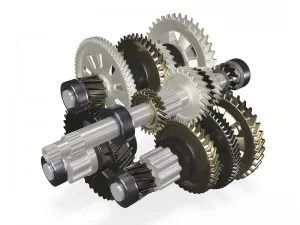

Industrial operations rely heavily on efficient power transmission systems to keep machinery running smoothly and reliably. Among these systems, industrial gearboxes play a critical role by transmitting torque, controlling speed, and ensuring optimal performance across a wide range of applications. Selecting the right gearbox for your plant is not just a technical decision — it directly impacts productivity, energy efficiency, maintenance costs, and equipment lifespan.
With numerous designs, load capacities, and configurations available, choosing the right solution can be challenging. This guide explores the key factors you should consider when selecting industrial gearboxes to ensure long-term reliability and performance.
1. Understand Your Application Requirements
The first and most important step in selecting industrial gearboxes is understanding your specific application needs. Every industry — from cement, steel, and mining to food processing and packaging — has unique operational demands.
Key questions to ask include:
- What type of machinery will the gearbox drive?
- Will it operate continuously or intermittently?
- Are there frequent start-stop cycles?
- Will it handle shock loads or variable loads?
Clearly defining these parameters helps narrow down the gearbox type and prevents premature failure or inefficiencies.
2. Load Capacity and Torque Requirements
One of the most critical factors in gearbox selection is torque capacity. The gearbox must be capable of handling both the rated load and any peak or shock loads that may occur during operation.
Underestimating torque requirements can lead to:
- Gear tooth damage
- Excessive wear
- Unexpected breakdowns
On the other hand, oversizing a gearbox can increase costs and reduce efficiency. Always calculate the required torque accurately and include an appropriate service factor based on working conditions.
3. Speed Ratio and Output Speed
Industrial gearboxes are designed to either reduce or increase speed depending on the application. Choosing the correct gear ratio ensures that your machinery operates at the desired output speed without unnecessary stress on components.
Consider:
- Input speed from the motor
- Required output speed
- Precision requirements for speed control
Accurate speed matching improves performance, reduces vibration, and enhances overall system efficiency.
4. Gearbox Type and Design
Different gearbox designs serve different purposes. Common types of industrial gearboxes include:
- Helical gearboxes
- Bevel gearboxes
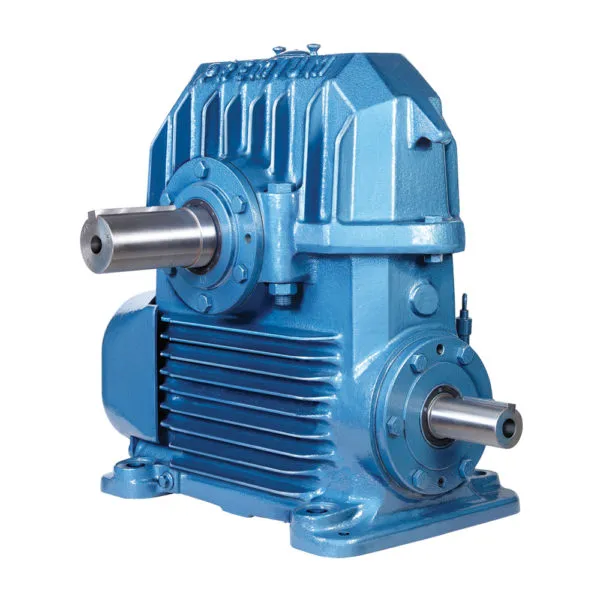
- Worm gearboxes
- Planetary gearboxes
Each type has its advantages in terms of efficiency, compactness, noise levels, and load-handling capability. Selecting the appropriate design depends on space constraints, torque requirements, and application-specific demands.
Reputable gearbox manufacturers often offer customized solutions to match unique operational needs, ensuring optimal performance and durability.
5. Efficiency and Energy Consumption
Energy efficiency is a growing concern for industrial plants looking to reduce operating costs and environmental impact. High-efficiency industrial gearboxes minimize power losses due to friction and heat generation.
Helical and planetary gear systems typically offer higher efficiency compared to worm gear systems, especially in continuous-duty applications. Selecting an energy-efficient gearbox can lead to significant cost savings over the equipment’s lifetime.
6. Operating Environment
The environment in which the gearbox operates plays a major role in its selection. Factors such as temperature, humidity, dust, chemicals, and moisture exposure must be considered.
For example:
- High-temperature environments may require special lubrication or heat-resistant materials.
- Dusty or corrosive conditions may need sealed housings and protective coatings.
- Washdown applications require corrosion-resistant designs.
Choosing a gearbox designed for your operating environment reduces maintenance requirements and extends service life.
7. Mounting Orientation and Space Constraints
Industrial plants often have limited space, making gearbox size and mounting orientation crucial considerations. Gearboxes can be foot-mounted, flange-mounted, shaft-mounted, or custom-configured based on layout constraints.
Compact gearbox designs are ideal where space is limited, while modular designs allow flexibility for future upgrades or changes. Always evaluate available space before finalizing your selection.
8. Maintenance and Serviceability
Ease of maintenance is another important factor when selecting industrial gearboxes. Gearboxes with simple designs, accessible components, and standardized spare parts reduce downtime and maintenance costs.
Look for features such as:
- Easy oil inspection and replacement
- Robust sealing systems
- Availability of spare parts
Partnering with experienced suppliers like Santram Engineers can help ensure you select a gearbox that balances performance with ease of long-term maintenance.
9. Noise and Vibration Levels
In many industrial environments, excessive noise and vibration can affect worker safety and equipment performance. Gearboxes designed with precision-cut gears and proper alignment produce lower noise levels and smoother operation.
Low-noise industrial gearboxes are particularly important in industries such as food processing, pharmaceuticals, and packaging, where controlled environments are essential.
10. Manufacturer Reputation and Support
Choosing the right gearbox is not just about the product — it’s also about the support behind it. Established gearbox manufacturers provide technical expertise, customization options, testing standards, and after-sales support.
A trusted supplier like Premium Transmission Limited ensures:
- Consistent product quality
- Compliance with international standards
- Reliable technical assistance
- Long-term availability of spares
Working with a reliable manufacturer reduces risk and ensures peace of mind throughout the gearbox lifecycle.
Conclusion
Selecting the right industrial gearboxes for your plant is a strategic decision that directly affects operational efficiency, reliability, and cost control. By carefully evaluating application requirements, load capacity, gearbox type, efficiency, operating conditions, and manufacturer support, you can make an informed choice that delivers long-term value.
Investing time in proper gearbox selection not only improves equipment performance but also minimizes downtime, reduces maintenance expenses, and enhances overall plant productivity. With the right gearbox solution in place, your operations can achieve smoother, more efficient power transmission for years to come.



























Sign in to leave a comment.