
Introduction
Hair loss is a common concern that affects many individuals worldwide. Fortunately, advancements in medical technology have led to the development of effective solutions, one of which is hair transplantation. In this extensive guide, we'll delve into the world of hair transplants, addressing key aspects, from the procedure's intricacies to post-operative care and frequently asked questions. By the end of this article, you'll have a profound understanding of hair transplants and be better equipped to make informed decisions regarding this life-changing procedure.
Understanding Hair Transplants
Hair transplantation is a surgical procedure designed to restore hair in areas where it has thinned or disappeared. This technique has gained immense popularity due to its natural-looking results and long-lasting effects. Here, we'll break down the essential components of hair transplants.
The Science Behind Hair Loss
Before delving into hair transplants, it's crucial to comprehend the science behind hair loss. Hair loss, also known as alopecia, can result from various factors, including genetics, hormonal changes, medical conditions, and aging. Understanding the cause of your hair loss is pivotal in determining if a hair transplant is the right solution for you.
Types of Hair Transplants
Hair transplants fall into two main categories:
Follicular Unit Transplantation (FUT)
FUT, also known as strip surgery, involves the removal of a strip of hair-bearing scalp from the donor area (typically the back of the head). The hair follicles from this strip are then dissected and transplanted into the recipient area. This method is known for its precision but may leave a linear scar.
Follicular Unit Extraction (FUE)
FUE is a minimally invasive procedure that involves the extraction of individual hair follicles from the donor area using a micro-punch tool. In the recipient area, these follicles are meticulously implanted. FUE is favoured for its minimal scarring and quicker recovery time.
The Hair Transplant Procedure
Consultation
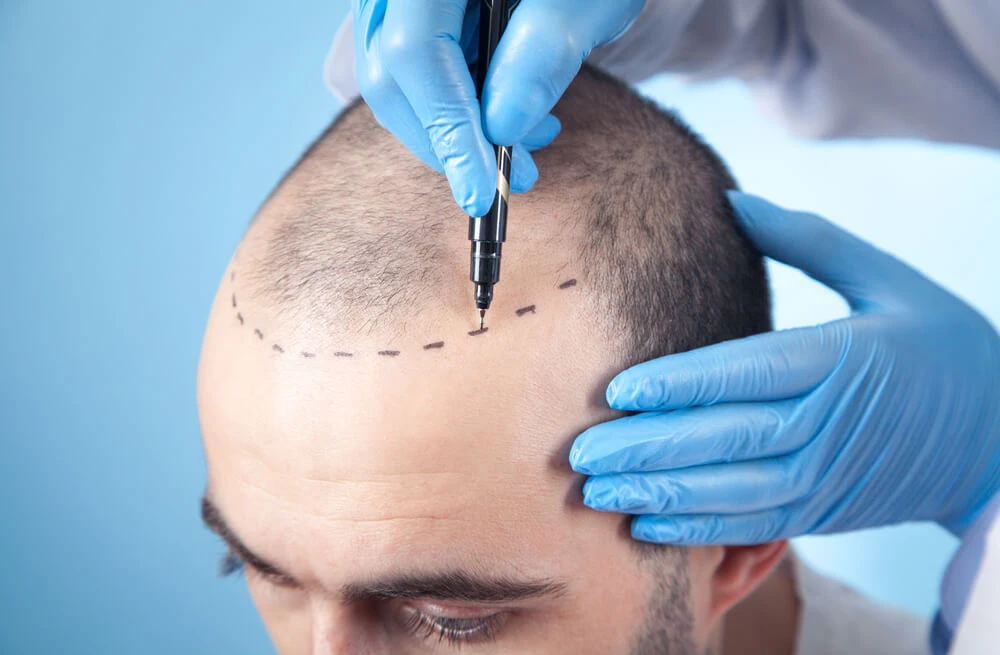
The journey begins with a consultation with the best hair transplant clinic and their expert surgeons. During this meeting, you will discuss your goals, medical history, and the suitability of the procedure. The surgeon will assess your donor area's health and hair density to determine the number of grafts required.
Anesthesia
On the day of the procedure, local anaesthesia is administered to both the donor and recipient areas to ensure your comfort throughout the surgery.
Graft Extraction
In FUT, a strip of scalp is excised, and the grafts are dissected under a microscope. An individual follicular unit is extracted from the donor area in FUE.
Graft Implantation
The surgeon makes tiny incisions in the recipient area, strategically placing the grafts to achieve a natural-looking hairline and density.
Post-Operative Care
After the procedure, patients are provided with detailed instructions for post-operative care. This includes information on cleaning the scalp, avoiding strenuous activities, and managing potential discomfort.
When considering a hair transplant, keep these things in mind:
Make sure you choose a qualified surgeon with experience in hair transplants.Before making a decision, it's crucial to do thorough research and compare prices from different surgeons.Ask about the risks and complications of the procedure.Be realistic about your expectations. Hair transplants cannot completely restore hair loss, but they can help to improve the appearance of thinning hair.If you are considering a hair transplant, I encourage you to do your research and talk to a qualified surgeon to learn more about the procedure.
Conclusion
Understanding hair transplants is the first step towards making an informed decision about this life-changing procedure. Whether you're dealing with hereditary hair loss or looking to restore your hairline, a hair transplant can offer a permanent and natural-looking solution. By following the guidance provided in this comprehensive guide, you're well on your way to achieving the hair you've always dreamed of.





























Sign in to leave a comment.