

Introduction
Credit card rolls are a specialized type of thermal paper roll used predominantly in credit card receipt printers and other compact POS systems. These rolls feature a heat-sensitive coating that darkens when exposed to the printer's thermal head, producing clear, legible text without requiring ink. This innovative technology not only streamlines the printing process but also ensures reliability and efficiency in high-transaction environments. In this guide, we explore what credit card rolls are, the purpose of thermal paper in these applications, and essential details such as the number of receipts per roll, the length of a roll, and the paper size specifications.
For those looking to upgrade their POS system, explore our premium credit card rolls designed for precision and durability.
What Is a Credit Card Roll?
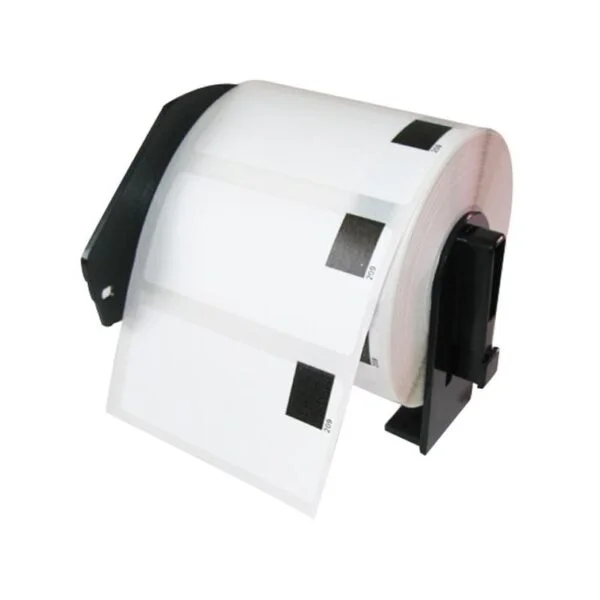
A credit card roll is a compact spool of thermal paper specifically designed for credit card receipt printers. Unlike traditional ink-based printing methods, thermal printing uses heat to create images and text on paper that is chemically treated. This process eliminates the need for ink, significantly reducing maintenance costs and ensuring rapid printing speeds. Moreover, credit card rolls are engineered in a format that suits the dimensions and operational requirements of credit card printers, which are often smaller and more streamlined than conventional receipt printers.
Thermal paper in these rolls is manufactured to high standards, ensuring consistent print quality and durability. The paper’s brightness, thickness, and sensitivity are all critical factors that contribute to the overall performance of a credit card roll.
The Purpose of Thermal Paper Rolls
Thermal paper rolls, including those designed for credit card printers, serve several essential functions:
- Cost-Effective Printing: By eliminating the need for ink, thermal printing significantly lowers operational costs. This is particularly advantageous in high-volume environments where frequent printing occurs.
- High-Speed Transactions: Thermal printers operate rapidly, ensuring that transactions are completed swiftly even during peak periods.
- Minimal Maintenance: With no ink cartridges to replace, thermal printers require less frequent maintenance, reducing downtime and improving productivity.
- Reliability and Clarity: The chemical reaction on the thermal paper produces high-contrast prints that are both sharp and durable, which is crucial for accurate record-keeping and customer satisfaction.
These features make thermal paper rolls indispensable for various industries, including retail, hospitality, banking, and transportation, where fast, reliable receipt printing is essential.
How Many Receipts Are in a Roll?
One of the most common questions regarding thermal paper rolls is: How many receipts can you get out of one roll? The answer largely depends on two factors: the total length of the roll and the average length of a single receipt.
Typically, if a roll is around 80 meters long and each receipt uses approximately 10 centimeters of paper, you can expect to print roughly 800 receipts per roll. However, this number may vary based on the settings of your thermal printer, the layout of your receipts, and any additional branding or information printed on each receipt.
It is important to note that in a busy environment, even a small variation in receipt length can significantly impact the total number of receipts per roll. Therefore, when planning your paper consumption, consider the average print length for your specific application.
How Long Is One Roll of Thermal Paper?
The length of a single roll of thermal paper, particularly in credit card rolls, is a key specification that affects operational efficiency. Credit card rolls are available in various lengths to cater to different usage volumes and printer models.
Common roll lengths typically range from 50 meters to 80 meters. In many retail or service environments where transactions are frequent, an 80-meter roll is popular because it minimizes the frequency of roll changes, thereby ensuring continuous operation. Conversely, smaller businesses or low-transaction settings may find a 50-meter roll more than adequate.
Always consult your printer’s manual or product specifications to determine the optimal roll length for your needs. Transitioning to a roll with a longer length can help reduce operational interruptions during busy periods.
What Size Paper Is a Credit Card Roll?
When it comes to credit card rolls, size primarily refers to the width of the paper. The most common width for credit card thermal paper is around 80mm. This size is specifically engineered to fit the compact design of credit card receipt printers, ensuring that prints are clear and that paper is used efficiently.
However, there can be variations depending on the manufacturer and the specific printer model. Some devices may require narrower widths, such as 57mm, while others are optimized for the standard 80mm width. Additionally, the diameter of the roll (which influences the total paper length) is determined by the roll’s design and intended use.
It is crucial to verify the required paper width for your specific credit card printer before making a purchase. Using the incorrect size can lead to paper jams or poor print quality, negatively impacting transaction speed and accuracy.
Benefits and Key Features of Credit Card Rolls
Credit card rolls offer several advantages that make them ideal for modern POS systems:
- Efficient and Rapid Printing: The technology behind thermal printing ensures that receipts are printed quickly, facilitating smooth transactions even during peak times.
- Cost Savings: With no need for ink, thermal printing reduces ongoing expenses, making it an economical choice for businesses.
- High-Quality Output: The chemical reaction on the paper produces high-contrast prints that remain legible for a long time, which is essential for record-keeping.
- Compatibility: Credit card rolls are available in standard sizes that are compatible with most credit card receipt printers, ensuring versatility across various devices.
- Environmental Benefits: Many thermal paper products are designed with eco-friendly coatings and sustainable manufacturing processes, reducing their overall environmental footprint.
These benefits not only enhance operational efficiency but also contribute to long-term cost savings and reliability in everyday transactions.
Considerations When Purchasing Credit Card Rolls
Selecting the right credit card roll requires careful consideration of several factors. Here are key aspects to evaluate:
1. Printer Compatibility
Before purchasing, ensure that the credit card roll is compatible with your printer model. This involves checking specifications such as paper width, roll diameter, and overall length. Compatibility is essential to prevent jams and ensure that your printer operates at peak efficiency.
2. Roll Length and Receipt Volume
Consider the volume of transactions your business processes. If you have a high transaction volume, opt for longer rolls (around 80 meters) to reduce the frequency of roll changes. For lower volumes, a 50-meter roll may be sufficient. Knowing how many receipts you can print per roll will help you manage inventory and plan purchases effectively.
3. Paper Quality and Coating
The quality of the thermal paper directly affects print clarity and durability. Look for credit card rolls with a consistent, high-quality coating that ensures sharp text and images. Moreover, consider the paper’s resistance to smudging and fading, especially in environments with fluctuating temperatures or humidity.
4. Environmental Impact
Sustainability is an increasingly important factor in procurement decisions. Opt for thermal paper rolls produced using eco-friendly processes and materials. These products not only help reduce waste but also support your business’s commitment to environmental responsibility.
To learn more about suitable options, discover top-quality credit card roll solutions that meet stringent performance and environmental standards.
Applications Across Industries
Credit card rolls are integral to various industries, each benefiting from their unique properties:
Retail and Hospitality
In retail stores, restaurants, and cafes, credit card rolls are used to print receipts, order confirmations, and customer invoices. Their fast printing speed and reliability ensure that customer transactions are processed swiftly, enhancing the overall customer experience.
Banking and Financial Services
Banks and financial institutions rely on thermal printers for issuing transaction receipts and account statements. The clarity and longevity of thermal prints are essential for maintaining accurate records and ensuring compliance with regulatory standards.
Transportation and Ticketing
Public transportation systems, such as buses and trains, often use thermal printers for ticketing purposes. The efficiency of credit card rolls in printing clear and durable tickets plays a significant role in reducing waiting times and improving service reliability.
Healthcare
Hospitals and clinics utilize thermal printers to generate patient receipts, lab reports, and other critical documents. The durability and legibility of prints produced on credit card rolls ensure that important medical information remains accessible and clear over time.
For a wide array of high-performance credit card rolls suited for these industries, check out our extensive range of credit card rolls.
Maintenance and Best Practices
To maximize the lifespan and performance of your credit card rolls, proper handling and maintenance are crucial. Here are some best practices:
- Store in Optimal Conditions: Keep your rolls in a cool, dry place away from direct sunlight. Excessive heat or humidity can damage the thermal coating, leading to poor print quality.
- Handle with Care: Use clean, dry hands when handling thermal paper to avoid activating the heat-sensitive coating accidentally.
- Regular Printer Maintenance: Ensure that your thermal printer is regularly maintained and cleaned. This practice minimizes paper jams and extends the overall life of both the printer and the paper rolls.
- Monitor Usage: Keep track of receipt volume and replace rolls as needed to avoid running out during critical business hours.
Following these guidelines can help you maintain consistent print quality and ensure reliable operation.
Future Trends and Innovations
The field of thermal printing is continuously evolving. Several emerging trends are set to shape the future of credit card rolls:
- Enhanced Eco-Friendly Solutions: Manufacturers are increasingly focusing on sustainable production methods and biodegradable coatings, making thermal paper more environmentally friendly.
- Improved Print Longevity: New formulations aim to extend the durability of thermal prints, ensuring that documents remain legible over longer periods.
- Smart Printer Integration: With advancements in IoT, smart thermal printers are being developed to monitor paper usage in real time and alert businesses when a replacement is needed.
- Security Enhancements: Future products may incorporate additional security features such as tamper-evident coatings or built-in watermarking, ensuring the integrity of printed receipts.
Conclusion
Credit card rolls are an indispensable element of modern POS systems. They offer a blend of efficiency, cost-effectiveness, and reliability that is crucial for industries ranging from retail and hospitality to banking and transportation. By understanding key aspects such as the number of receipts per roll, roll length, and paper size, businesses can make informed purchasing decisions that enhance operational efficiency and customer satisfaction.
Whether you are managing a high-volume retail operation or a busy service center, ensuring that your credit card printer is equipped with the right thermal paper is vital. Factors such as printer compatibility, roll length, paper quality, and environmental impact all play a role in optimizing your printing processes.
To equip your business with dependable and efficient thermal paper, shop our reliable credit card roll collection and experience the benefits of quality printing solutions. Additionally, as the industry evolves, staying informed about emerging trends and innovations will ensure that your operations remain cutting-edge and sustainable.
In summary, credit card rolls provide a robust solution for high-speed, clear, and reliable printing. Their design, size, and functionality are tailored to meet the demands of modern transaction environments. With careful consideration of specifications and maintenance practices, businesses can maximize the performance and longevity of their thermal paper, ensuring smooth and efficient operations for years to come.











Sign in to leave a comment.