

Tooth extraction is a dental procedure that involves the removal of a tooth from its socket in the jawbone. While it may sound daunting, tooth extractions are commonly performed and often necessary for various reasons. This article aims to provide a thorough understanding of tooth extraction, the reasons behind the procedure, the process itself, and the aftercare required for a smooth recovery.
Understanding the Need for Tooth Extraction
Tooth extraction may be required for several reasons, ranging from dental decay to overcrowding. One of the most common reasons for extraction is severe tooth decay that has compromised the tooth beyond repair. When a cavity penetrates deep into the tooth, it can lead to infection and pain. In such cases, a dentist may recommend extraction to prevent the spread of infection and to alleviate discomfort.
Another frequent reason for tooth extraction is gum disease. Periodontal disease can cause the gums to recede and the supporting structures of the teeth to weaken, making teeth loose and susceptible to extraction. If left untreated, gum disease can lead to tooth loss, making extraction a necessary step in maintaining oral health.
Additionally, tooth extraction may be recommended for orthodontic purposes. In some cases, patients may have overcrowded teeth, where there is not enough space in the mouth for all the teeth to align properly. In such situations, removing one or more teeth can create the necessary space for proper alignment, allowing orthodontic treatment to be more effective.
The Tooth Extraction Procedure
The process of tooth extraction begins with a thorough evaluation by a dental professional. During the initial consultation, the dentist will assess the tooth needing extraction, taking X-rays if necessary to understand the tooth’s position and the surrounding structures. This evaluation is crucial for determining the complexity of the extraction and planning the appropriate approach.
On the day of the procedure, patients will receive anesthesia to ensure their comfort. Depending on the tooth's location and the complexity of the extraction, local anesthesia may be sufficient, or sedation may be used for more anxious patients. The goal is to ensure that the patient experiences minimal discomfort during the extraction.
Once the anesthesia takes effect, the dentist will begin the extraction process. For a simple extraction, the dentist will use specialized instruments to loosen the tooth and remove it from its socket. If the tooth is impacted or has not fully erupted, a surgical extraction may be necessary. This involves making an incision in the gum tissue to access the tooth and may require the tooth to be broken into smaller pieces for removal.
After the tooth has been successfully extracted, the dentist will clean the area and may place stitches if necessary. The entire procedure typically takes a relatively short amount of time, depending on the complexity of the extraction.
Post-Extraction Care and Recovery
Recovery from tooth extraction is an important aspect of the overall process. After the procedure, patients can expect some swelling, discomfort, and bleeding, which are normal responses to the extraction. It is essential to follow the dentist's post-operative care instructions to ensure a smooth recovery.
In the first 24 hours after extraction, patients are advised to rest and avoid strenuous activities. Applying ice packs to the cheeks can help reduce swelling and manage pain. Additionally, patients are usually encouraged to eat soft foods and avoid hot or spicy items that could irritate the extraction site.
Pain management is a critical component of recovery. Dentists often prescribe pain relievers or recommend over-the-counter medications to help alleviate discomfort. Following the prescribed dosage and recommendations is vital for effective pain control.
Maintaining oral hygiene after a tooth extraction is essential but should be done with caution. Patients are typically advised to avoid rinsing their mouths forcefully for the first 24 hours to prevent dislodging the blood clot that forms in the socket. After this initial period, gentle rinsing with warm salt water can help keep the area clean and promote healing.
Potential Risks and Complications
While tooth extraction is generally safe, like any surgical procedure, it carries some risks. One of the most common complications is dry socket, which occurs when the blood clot that forms in the extraction site becomes dislodged or dissolves. This condition can lead to severe pain and delayed healing. Patients should be aware of the signs of dry socket, which may include intense pain that radiates from the extraction site and a foul taste in the mouth.
Infection is another potential risk associated with tooth extraction. Although dentists take precautions to minimize this risk, it is essential for patients to monitor the extraction site for signs of infection, such as increased swelling, persistent pain, or discharge. If any concerning symptoms arise, it is crucial to contact the dentist promptly for evaluation and treatment.
Nerve injury is a rare but possible complication, particularly when extracting teeth near the lower jaw or wisdom teeth. Patients may experience temporary or, in rare cases, permanent numbness or tingling in the lip, chin, or tongue. Discussing these risks with the dental professional during the initial consultation can help patients make informed decisions about their care.
Long-Term Considerations After Extraction
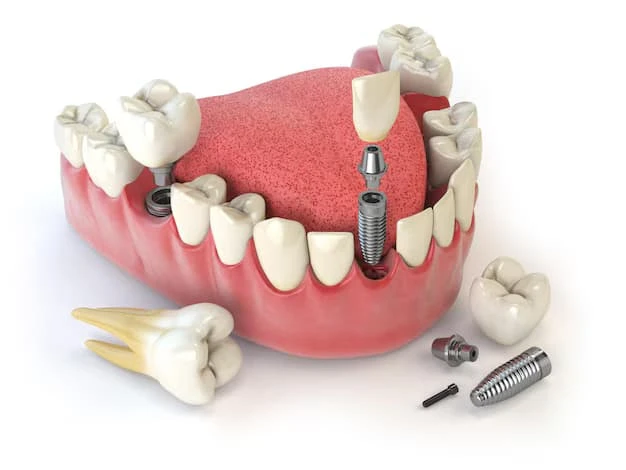
After a tooth extraction, it is important to consider the long-term implications on oral health. Depending on the tooth removed, patients may need to explore options for tooth replacement to maintain proper function and aesthetics. Dental implants, bridges, or partial dentures are common solutions that can restore the appearance of the smile and prevent neighboring teeth from shifting.
Maintaining regular dental check-ups after extraction is crucial for monitoring overall oral health. These appointments allow the dentist to assess the healing process and address any potential issues that may arise. Additionally, practicing good oral hygiene and a balanced diet can contribute to long-term dental health.
Conclusion: Seeking Professional Care for Tooth Extraction
In conclusion, tooth extraction is a common dental procedure that may be necessary for various reasons, including decay, gum disease, or orthodontic needs. Understanding the procedure, post-operative care, and potential risks can help patients feel more prepared and confident in their decisions regarding dental care. For those seeking expert assistance with tooth extraction, CITIDENTAL Brookline offers professional services tailored to meet individual needs, ensuring a safe and effective dental experience. By choosing the right provider, patients can take proactive steps toward maintaining their oral health and overall well-being.































Sign in to leave a comment.