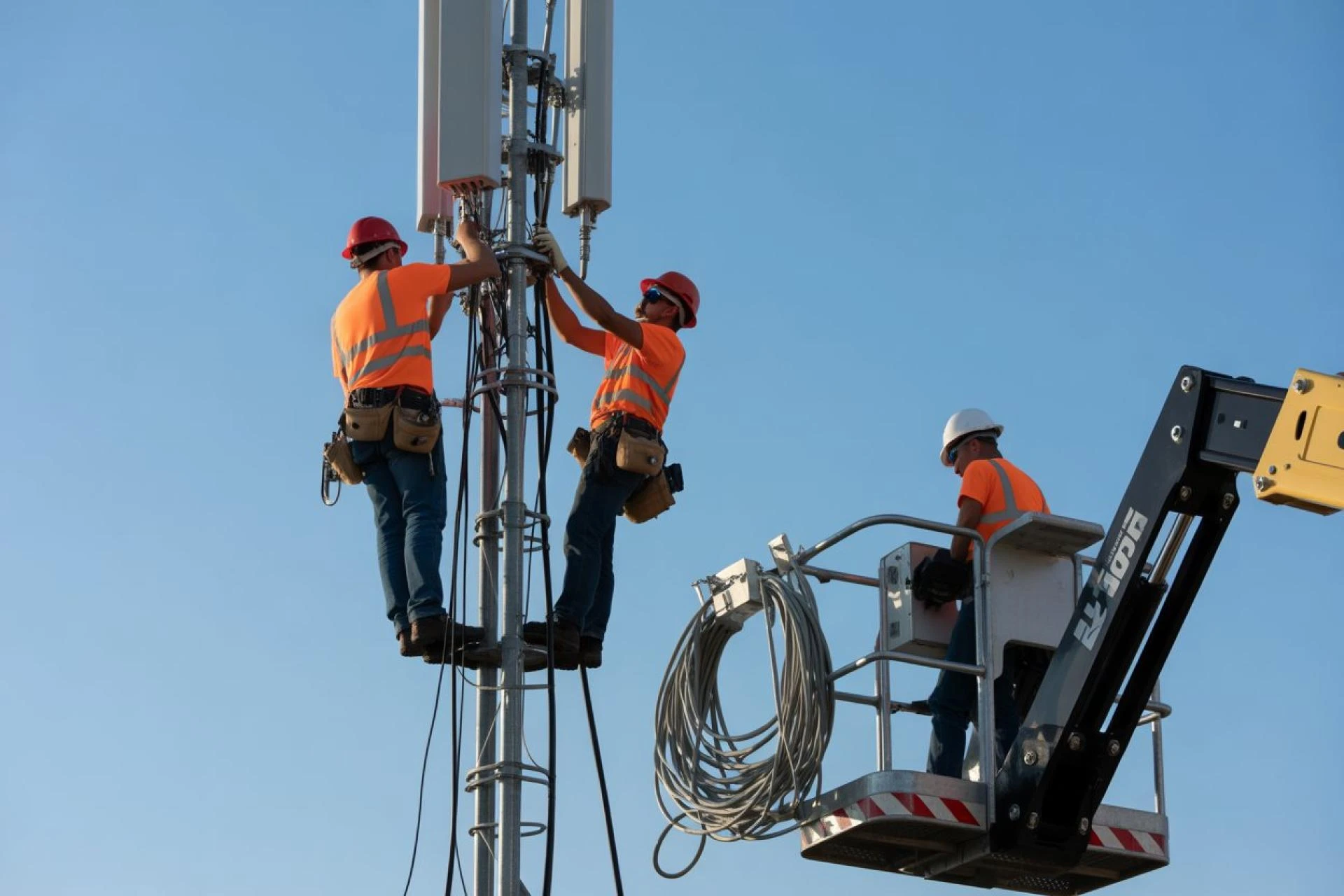

Telecommunications contractors are essential to the rapidly growing demand for robust and reliable communication networks. Whether it's installing fiber-optic cables, maintaining 5G infrastructure, or ensuring the seamless operation of cellular towers, these professionals are the unsung heroes of the digital age. In this blog, we’ll explore the importance of telecommunications contractors and how they shape the future of connectivity.
What Are Telecommunications Contractors?
Telecommunications contractors are specialized professionals or companies that design, build, install, and maintain the infrastructure needed for telecommunications services. They work with network operators, internet service providers (ISPs), and other telecommunications companies to implement a range of services, including the deployment of fiber-optic networks, wireless systems, cable systems, and satellite communication facilities.
Their work covers everything from planning and site preparation to the physical installation of hardware and ongoing maintenance. Telecommunications contractors are also responsible for ensuring that the infrastructure meets strict regulatory and safety standards.
Why Telecommunications Contractors Are Vital to Connectivity
As the world becomes increasingly connected, the demand for high-quality, high-speed telecommunications services continues to grow. Whether it's for personal use, business operations, or government functions, access to fast, reliable connectivity is no longer optional — it's essential.
Telecommunications contractors play a central role in meeting this demand by:
- Building the Infrastructure: The backbone of every telecom network is the physical infrastructure. Contractors are responsible for installing and upgrading fiber-optic cables, cell towers, and antennas. Without these critical systems, wireless communication and internet services would be impossible.
- Expanding 5G Networks: The rollout of 5G networks is one of the most ambitious infrastructure projects in recent years. Telecommunications contractors are integral to deploying 5G antennas and towers, ensuring that this next-generation technology can reach urban and rural areas alike. This will support everything from smart cities to autonomous vehicles and advanced IoT solutions.
- Maintaining Network Reliability: Maintaining the reliability and efficiency of telecommunications infrastructure is a continual process. Contractors perform routine maintenance, troubleshoot issues, and upgrade systems to keep the network running smoothly. They also assist with repairs when disasters or malfunctions occur, ensuring minimal downtime for users.
- Supporting Fiber-Optic Deployments: Fiber-optic networks are the backbone of modern broadband services. As more businesses and consumers demand faster internet speeds, the need for high-quality fiber-optic infrastructure becomes even more critical. Telecommunications contractors manage the installation of fiber cables, handling everything from digging trenches to setting up the equipment needed for high-speed data transmission.
- Ensuring Compliance and Safety: Telecommunications contractors ensure that all installations meet industry regulations, health and safety standards, and environmental guidelines. They must navigate local laws and zoning regulations to ensure that telecom infrastructure is built safely and sustainably.
Key Services Provided by Telecommunications Contractors
Telecommunications contractors offer a range of services that are vital for the success of telecom networks. Here are some of the key services they provide:
- Site Surveys and Planning: Before any physical work begins, contractors conduct site surveys to assess the location, accessibility, and potential challenges for installation. They evaluate geographic conditions, local zoning laws, and regulatory requirements to create an effective plan for the telecom infrastructure.
- Installation of Infrastructure: Once planning is complete, contractors proceed with the installation of telecom equipment. This includes laying fiber-optic cables, building cell towers, setting up base stations, and installing antennas and routers.
- Maintenance and Repairs: To ensure that telecom networks continue to operate efficiently, contractors provide ongoing maintenance services, including regular inspections, software updates, and repairs when necessary. They are also called upon for emergency repairs in case of equipment failure or damage from natural disasters.
- Upgrades and Expansions: As demand for faster, more reliable connectivity grows, telecom networks must evolve. Contractors are responsible for upgrading systems, expanding networks, and installing new technologies like 5G antennas and next-gen fiber-optic cables to meet the increasing demand.
- Network Optimization: Contractors also work to optimize existing telecom systems to improve performance, reduce latency, and increase bandwidth. This can involve recalibrating equipment, fine-tuning settings, and upgrading software to ensure the network is performing at its best.
The Future of Telecommunications Contractors
As technology continues to evolve, the role of telecommunications contractors will only become more critical. Some key trends shaping the future of telecommunications contracting include:
- The Rise of 5G and Beyond: The rollout of 5G networks will create significant demand for telecom infrastructure. Contractors will need to install and maintain 5G towers, antennas, and other hardware, paving the way for innovations in IoT, smart cities, and more.
- Automation and AI: As automation and artificial intelligence (AI) become more prevalent, telecommunications contractors may begin using drones, robots, and AI-driven tools to assist with installations, repairs, and maintenance. These technologies will increase efficiency and reduce the time and cost associated with telecom infrastructure projects.
- Smart Cities and IoT: The demand for smart city infrastructure will require extensive network upgrades. Telecommunications contractors will play a vital role in deploying the infrastructure for interconnected devices, sensors, and data systems that make up smart cities and IoT networks.
- Sustainability and Green Practices: As sustainability becomes a more prominent concern, telecommunications contractors will need to incorporate green practices into their projects. This includes using energy-efficient equipment, minimizing waste, and adopting environmentally friendly materials and methods.
Choosing the Right Telecommunications Contractor
For companies and municipalities looking to build or upgrade their telecommunications infrastructure, selecting the right contractor is crucial. Here are a few tips for choosing the right partner:
- Experience and Expertise: Look for contractors with a proven track record in telecommunications projects. Their experience in managing complex installations and maintenance tasks can ensure a smoother, more efficient process.
- Licenses and Certifications: Ensure that the contractor holds the necessary licenses and certifications to perform work in the telecommunications industry. This guarantees compliance with safety standards and industry regulations.
- Technology Capabilities: With rapid technological advancements, it’s essential that contractors stay up-to-date with the latest tools and systems. Make sure your contractor is familiar with current technologies, such as 5G, fiber-optic networks, and IoT solutions.
- Customer Support: A good telecommunications contractor should offer excellent customer support. Whether it's for troubleshooting, ongoing maintenance, or system upgrades, reliable communication and customer service are key.
Conclusion: The Backbone of Modern Connectivity
Telecommunications contractors play an essential role in the ever-evolving telecom industry. Their expertise, knowledge, and ability to adapt to new technologies ensure that we stay connected in an increasingly digital world. From fiber-optic installations to 5G rollouts and network maintenance, these professionals provide the foundation for the modern communication systems that power our daily lives.
As demand for faster, more reliable connectivity continues to grow, the work of telecommunications contractors will remain integral to the future of telecommunications infrastructure.



























Sign in to leave a comment.