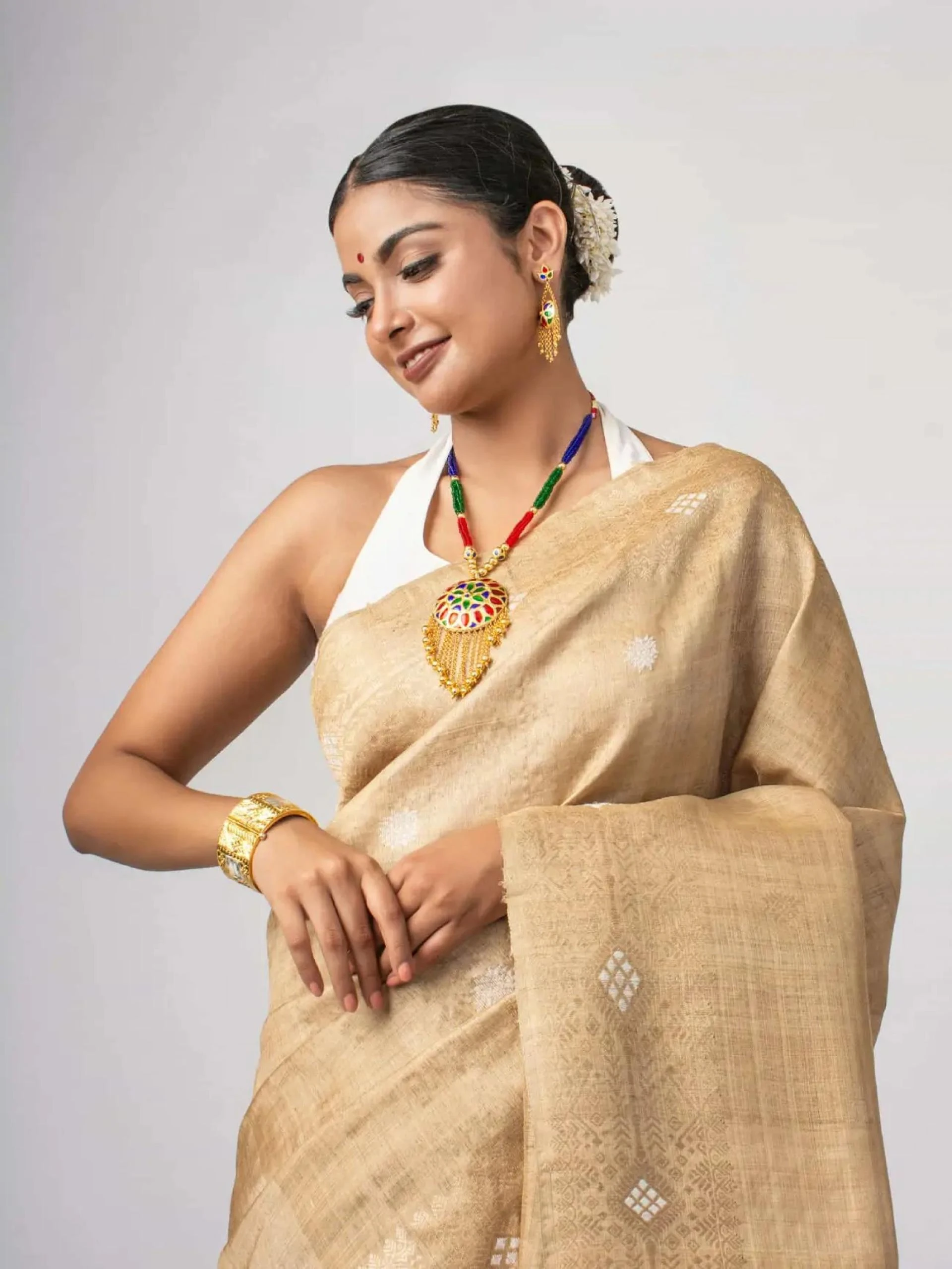

India is home to a wide range of traditional textiles, each reflecting the cultural identity and craftsmanship of its region. Among these, Assam’s silk weaving traditions hold a special place in the country’s textile heritage. The artistry behind these fabrics represents centuries of craftsmanship, cultural pride, and deep-rooted traditions that continue to influence modern fashion. Ethno Hues celebrates these traditions by bringing authentic Assamese textiles to a wider audience while preserving their cultural significance.
The Rich Heritage of Assamese Silk
Assam has long been known for producing some of the finest silk in India. The region’s weaving tradition is closely connected to its cultural and social life. Many Assamese households have historically practiced weaving, passing down techniques and patterns from one generation to the next.
Silk fabrics from Assam are admired for their durability, natural shine, and intricate patterns. Traditional garments made from these fabrics are worn during festivals, weddings, and cultural ceremonies. Among these garments, the mekhela sador remains one of the most iconic traditional outfits in Assamese culture.
Women across Assam proudly wear the mekhela sador during important cultural events. This attire reflects both elegance and heritage, representing the identity of Assamese women through its graceful drape and artistic weaving patterns.
The Importance of Traditional Attire
Traditional garments are not merely clothing; they represent history and cultural expression. In Assam, attire plays a vital role in social and ceremonial occasions. These garments often feature motifs inspired by nature, local folklore, and regional symbolism.
Some common design elements seen in Assamese textiles include:
- Floral and nature-inspired motifs reflecting the region’s natural beauty
- Geometric patterns representing cultural symbolism
- Handwoven borders and intricate detailing that showcase craftsmanship
These elements combine to create garments that are both visually stunning and culturally meaningful.
The Role of Muga Silk in Assamese Textile Tradition
One of the most treasured fabrics in Assam is the muga silk saree. Known for its natural golden sheen and exceptional durability, this silk has been a symbol of luxury and prestige for centuries. Many families preserve garments made from this fabric for generations because of its long-lasting quality.
Those exploring the heritage of Assamese textiles often discover the elegance of muga silk saree as a representation of traditional craftsmanship and timeless beauty.
This silk stands out because of its natural color, which does not fade easily and becomes more lustrous over time. As a result, garments made from this fabric are highly valued in traditional wardrobes.
Assamese Silk and Modern Fashion
While traditional garments remain an important part of cultural celebrations, Assamese textiles are also finding a place in contemporary fashion. Designers and artisans are incorporating traditional fabrics into modern clothing styles while maintaining their authenticity.
Ethno Hues plays a significant role in promoting these traditional textiles by offering authentic garments that preserve traditional weaving techniques while appealing to modern tastes.
Celebrating Authentic Assamese Craftsmanship
Another iconic attire associated with Assamese culture is the assamese mekhela sador . This elegant ensemble reflects the craftsmanship and cultural heritage of Assam’s weaving communities.
The popularity of such garments continues to grow as more people appreciate handmade textiles and their cultural significance.
Key reasons these traditional garments remain timeless:
- They represent generations of skilled craftsmanship
- They reflect regional identity and cultural heritage
- They offer durability and natural elegance
- They continue to inspire modern fashion designs
Conclusion
Assam’s silk weaving tradition is a remarkable example of India’s rich textile heritage. Garments such as the mekhela sador and silk sarees are more than fashion statements—they are symbols of cultural pride and artistic excellence.
Through its curated collection, Ethno Hues continues to preserve and promote these traditions, ensuring that the beauty and legacy of Assamese textiles remain appreciated for generations to come.





















Sign in to leave a comment.