
Introduction:
In the serene landscape of rural areas, where fields stretch to the horizon and animals graze peacefully, there exists a darker reality within agriculture: factory farming. Behind closed doors, away from the idyllic imagery of pastoral scenes, lies an industry that perpetuates what can only be described as triple Factory farm animal cruelty. This blog explores the profound ethical, environmental, and health implications of factory farming, shedding light on its hidden horrors and urging for a shift towards more sustainable and humane practices.
Triple Cruelty Unveiled:
Factory farming inflicts cruelty on three fronts: animals, the environment, and human health.
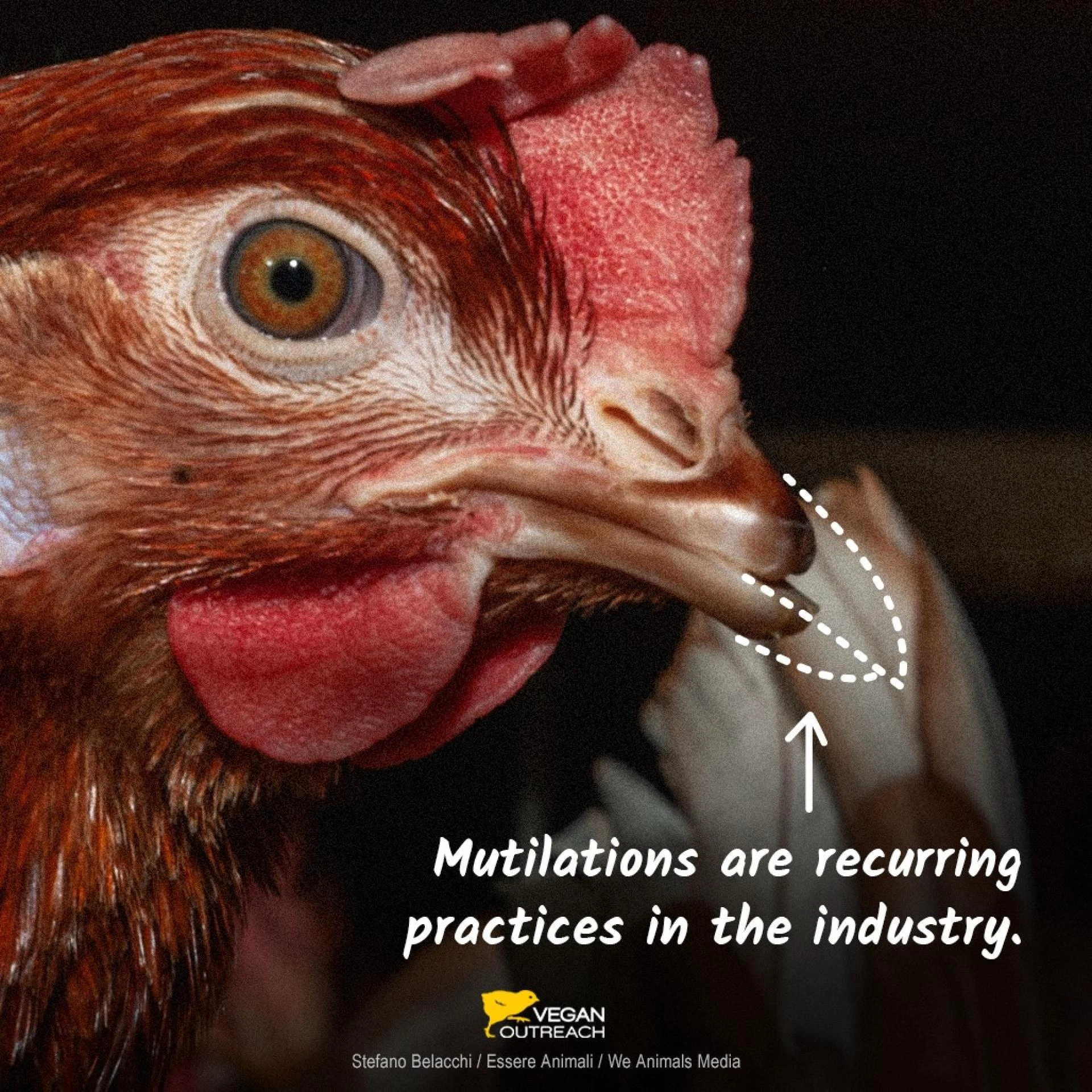
Animal Welfare: Animals in factory farms endure unimaginable suffering. Confined to cramped cages or overcrowded pens, they're deprived of basic necessities such as space to move, sunlight, and the ability to exhibit natural behaviors. Pigs, chickens, and cows, among others, are treated not as sentient beings but as mere commodities, subjected to routine mutilations without pain relief and living in conditions that would shock even the most callous observers.
Environmental Destruction: Factory farming is a leading contributor to environmental degradation. Massive amounts of waste produced by these operations contaminate soil and waterways, leading to pollution and ecosystem destruction. Deforestation to make room for feed crops and grazing exacerbates habitat loss and biodiversity decline. Moreover, the intensive use of antibiotics in factory farms breeds antibiotic-resistant bacteria, posing a grave threat to public health.
Human Health Risks: Consumption of products from factory farming has dire consequences for human health. Antibiotic residues in meat contribute to the rise of antibiotic-resistant infections, rendering once-effective treatments ineffective. Moreover, factory farm workers are exposed to hazardous conditions, including respiratory issues from poor air quality and increased risk of zoonotic diseases. Additionally, communities living near these facilities suffer from elevated rates of asthma, allergies, and other health problems due to air and water pollution.
A Call to Action:
The triple cruelty of factory farming demands urgent action. As consumers, we hold immense power to effect change through our purchasing choices. Supporting local, organic, and sustainable farming practices can help reduce the demand for factory-farmed products and promote animal welfare, environmental conservation, and public health. Additionally, advocating for stricter regulations on factory farms and supporting organizations dedicated to promoting ethical farming practices are crucial steps towards a more compassionate and sustainable food system.
Conclusion:
Factory farming's triple cruelty is a stain on the agricultural industry, perpetuating suffering for animals, damaging the environment, and endangering human health. However, by raising awareness, making informed choices, and advocating for change, we can pave the way towards a future where farming is not just about profit but also about compassion, sustainability, and respect for all living beings. It's time to shine a light on the dark side of agriculture and work towards a brighter, more ethical future for food production.



























Sign in to leave a comment.