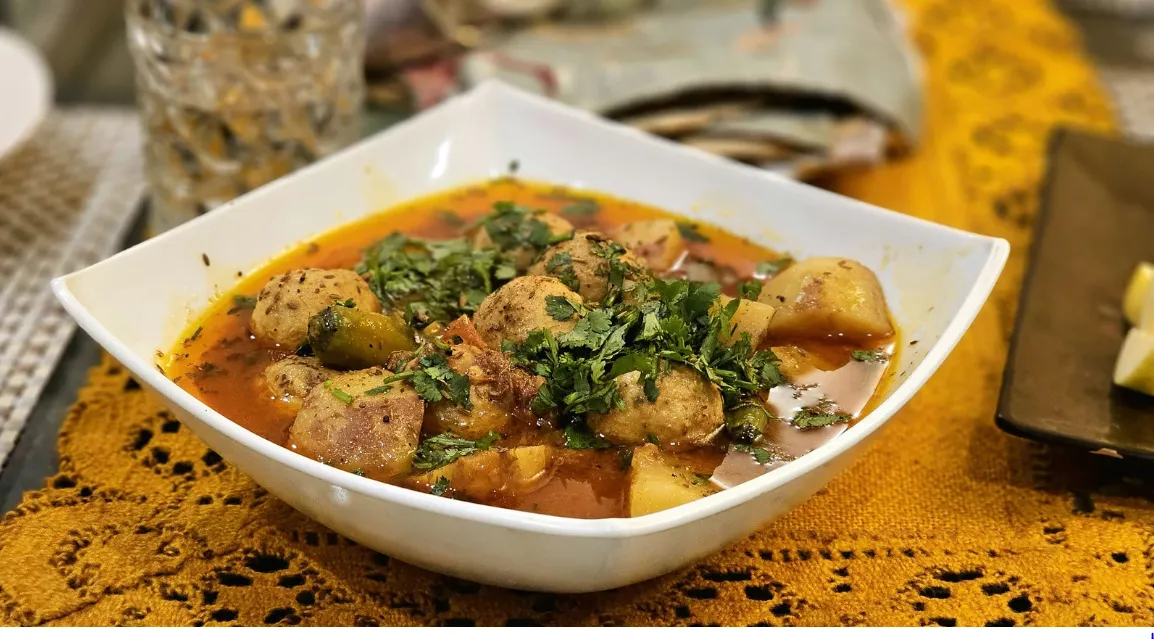

Curry is one of the most loved and widely adapted food concepts in the world, yet it does not mean the same thing everywhere. In Jamaica and India, “curry” represents two distinct culinary identities shaped by different histories, spice traditions, and cooking philosophies. While both share a common ancestral link through Indian migration to the Caribbean, Jamaican curry has evolved into a bold, simplified, and uniquely island-style version of the complex spice blends found in Indian cuisine.
Understanding the difference between Jamaican curry and Indian curry is not just about taste—it is about culture, geography, and how ingredients transform when they travel across oceans. This guide breaks down both styles in detail so you can clearly see what sets them apart.
What Is Jamaican Curry?
Jamaican curry is a vibrant, flavorful adaptation of Indian curry that was introduced to Jamaica by indentured Indian laborers in the 19th century. Over time, it evolved to match local ingredients and Caribbean taste preferences, resulting in a distinctive style that is milder in spice complexity but bold in flavor.
Jamaican curry powder is typically pre-mixed and designed for convenience, making it a staple in households and street food kitchens.
Key characteristics of Jamaican curry:
- Uses pre-blended curry powder (often turmeric-forward)
- Milder spice complexity compared to Indian curry
- Frequently paired with meats like chicken, goat, and sometimes seafood
- Cooked with Scotch bonnet peppers for heat and flavor
- Often includes potatoes and carrots for bulk and texture
- Commonly served with rice and peas or white rice
Common Jamaican curry dishes:
- Curry chicken
- Curry goat
- Curry shrimp
- Curry vegetables
Unlike Indian curries, Jamaican curry tends to rely more on the curry powder itself rather than layering multiple whole spices during cooking. The result is a more straightforward but still deeply satisfying flavor profile.
What Is Indian Curry?
Indian curry is not a single dish but an umbrella term for hundreds of regional dishes across India. Unlike Jamaican curry, Indian curry is highly diverse and often built from scratch using whole spices that are toasted, ground, and layered during cooking.
Indian curry is known for its complexity, depth, and regional variation, ranging from creamy butter-based dishes in the north to coconut-heavy curries in the south.
Key characteristics of Indian curry:
- Uses whole spices (cumin, coriander, cardamom, cloves, mustard seeds)
- Spice blending is done during cooking, not pre-mixed
- Wide variety of sauces: creamy, tomato-based, coconut-based, dry-style
- Heat level varies by region and dish
- Often includes fresh aromatics like ginger, garlic, and onion paste
- Served with rice, naan, roti, or paratha
Common Indian curry dishes:
- Butter chicken (Murgh Makhani)
- Chicken tikka masala
- Rogan josh
- Chana masala
- Palak paneer
Indian curry emphasizes layering flavors, where each spice is added at a specific stage to build depth rather than relying on a single blended seasoning.
Key Differences Between Jamaican Curry and Indian Curry
While Jamaican curry originated from Indian culinary influence, the two have evolved into distinct cooking styles. The differences go beyond heat level and extend into ingredients, preparation methods, and cultural significance.
1. Spice Usage and Complexity
- Jamaican curry uses pre-mixed curry powder
- Indian curry uses individual whole spices and fresh blends
- Indian curry has a deeper, layered spice profile
- Jamaican curry is more straightforward and seasoning-driven
2. Heat and Flavor Profile
- Jamaican curry heat comes mainly from Scotch bonnet peppers
- Indian curry heat comes from a combination of chilies, garam masala, and spices
- Jamaican curry tends to be more uniform in taste
- Indian curry varies widely by region
3. Cooking Method
- Jamaican curry:
- Season meat first with curry powder
- Sauté and simmer in one pot
- Simpler layering process
- Indian curry:
- Toast whole spices in oil or ghee
- Build base with onions, ginger, garlic
- Add spices at different stages
- Requires multiple cooking phases
4. Base Ingredients
- Jamaican curry often includes:
- Potatoes
- Carrots
- Coconut milk (sometimes)
- Thyme and scallions
- Indian curry often includes:
- Yogurt or cream
- Tomato puree
- Lentils or legumes
- Fresh spice pastes
5. Cultural Expression
- Jamaican curry reflects Caribbean adaptation and simplicity
- Indian curry reflects regional diversity and culinary depth
- Jamaican curry is influenced by practicality and island availability
- Indian curry reflects centuries of regional culinary evolution
Ingredients Breakdown for Better Understanding
To better understand how each curry differs, it helps to look at the core ingredients side by side.
Jamaican Curry Ingredients:
- Curry powder (turmeric-heavy blend)
- Scotch bonnet pepper
- Thyme
- Garlic and onion
- All-purpose seasoning
- Coconut milk (optional)
- Meat or vegetables
Indian Curry Ingredients:
- Cumin seeds
- Coriander seeds
- Turmeric powder
- Garam masala
- Fresh ginger and garlic
- Onion paste or chopped onions
- Tomato base or yogurt
- Chili powder or fresh chilies
- Protein (meat, lentils, paneer, vegetables)
Key takeaway:
- Jamaican curry relies heavily on pre-blended seasoning
- Indian curry relies on layered spice construction
Cooking Style and Technique Differences
Cooking methods are one of the biggest distinctions between Jamaican and Indian curry styles.
Jamaican Curry Cooking Style:
- Meat is usually seasoned in advance with curry powder and spices
- Ingredients are browned in oil before simmering
- Scotch bonnet is added whole or chopped for heat
- Cooking is typically done in a single pot
- Focus is on simplicity and depth of flavor from seasoning
Indian Curry Cooking Style:
- Spices are toasted in oil (tempering process)
- Aromatics are sautéed slowly for a flavor base
- Liquids like tomato puree or yogurt are added gradually
- Multiple stages of cooking build complexity
- Often requires careful timing and technique
Why this matters:
- Jamaican curry prioritizes efficiency and bold seasoning
- Indian curry prioritizes layered culinary structure
Cultural and Historical Influence
Both curries share a historical connection rooted in the migration of Indian laborers to the Caribbean during the 1800s. However, their evolution reflects different cultural environments.
Jamaican Curry:
- Developed under limited ingredient availability
- Adapted to Caribbean produce and spices
- Became a staple in home cooking and street food culture
- Represents fusion between Indian heritage and Jamaican identity
Indian Curry:
- Originates from ancient regional culinary traditions
- Influenced by trade, agriculture, and regional spice availability
- Represents a vast spectrum of cooking styles across India
- Deeply tied to regional identity and tradition
Flavor Experience Comparison
When tasting both curries side by side, the differences become even clearer.
Jamaican Curry Flavor Profile:
- Bold and peppery
- Earthy turmeric base
- Slightly smoky depending on cooking method
- Straightforward but rich taste
- Heat is noticeable and direct
Indian Curry Flavor Profile:
- Complex and layered
- Aromatic and fragrant
- Balances spice, creaminess, and acidity
- Varies widely (mild to extremely spicy)
- Evolving taste with each bite
Where Flavor Paths Diverge
Jamaican curry and Indian curry may share a historical root, but they represent two completely different culinary journeys shaped by culture, geography, and adaptation. Jamaican curry simplifies spice complexity into a bold, accessible flavor that fits island life, while Indian curry preserves centuries of layered spice traditions that vary dramatically across regions.
Both styles highlight the beauty of cultural evolution in food. One reflects adaptation and fusion, while the other reflects deep regional diversity and tradition.
In the end, neither is more “authentic” than the other—they are simply different expressions of the same global love for spice, warmth, and comfort in a bowl.






















Sign in to leave a comment.