
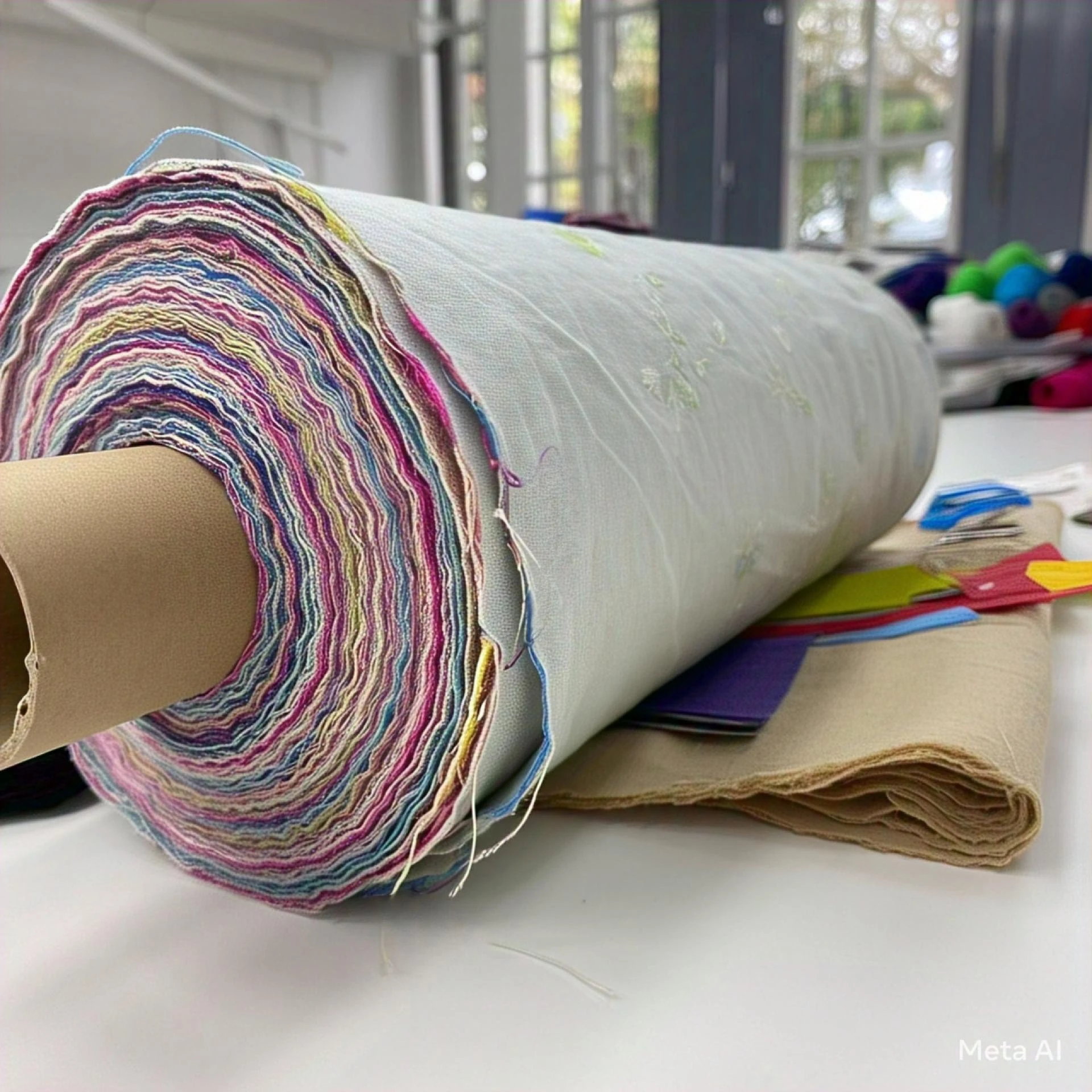
Emma Carter stood in the middle of her grandmother’s old embroidery shop, running her fingers over a hand-stitched floral pattern on a vintage linen cloth. The shop, Carter’s Stitches, had been a part of the town for nearly a century, famous for its exquisite hand-embroidered designs. Generations of skilled artisans had poured their patience and creativity into every piece, making each stitch a work of art.
But times were changing.
With mass production taking over and digital technology transforming every industry, handmade embroidery was becoming less practical. Orders had slowed, and younger customers sought modern, faster solutions. Emma, who had grown up watching her grandmother and mother create beautiful designs by hand, faced a difficult choice—watch the business fade or embrace the future.
One evening, as she scrolled through business forums, she stumbled upon a discussion about embroidery digitizing services. Curious, she clicked on a link and found herself reading about a process that converted hand-drawn designs into digital files that embroidery machines could stitch with precision. It was a way to maintain artistry while increasing efficiency—a bridge between tradition and technology.
Determined, Emma invested in embroidery software and spent weeks learning the craft of digitizing. She scanned her grandmother’s timeless designs and painstakingly converted them into digital embroidery files. She experimented, adjusting stitch types, densities, and directions until the machine replicated the handmade elegance she had always admired.
The results were astonishing.
The new embroidery method allowed Emma to recreate intricate designs with incredible accuracy, reducing production time without sacrificing quality. She could now fulfill bulk orders while still offering the fine detailing her family’s shop was known for. Excited by the possibilities, she rebranded the business and launched an online store showcasing both traditional and digital embroidery.
As word spread, orders started pouring in—not just from the local community but from across the country. Businesses wanted custom-branded merchandise, fashion designers sought unique embroidery patterns, and customers cherished the blend of tradition and innovation.
One afternoon, Emma received a special order from a well-known fashion house that had seen her work online. They wanted a collection inspired by vintage embroidery patterns but created with modern efficiency. Emma knew this was a turning point.
She stood in her shop, now filled with the hum of embroidery machines alongside the quiet presence of her grandmother’s original work. It was a perfect harmony of the past and the future. Thanks to embroidery digitizing services, she had not only saved her family’s legacy but had also elevated it to new heights.
Looking at a finished piece—a breathtaking floral embroidery that mirrored her grandmother’s hand-stitched work—Emma smiled. The art of embroidery had not been lost; it had evolved. And she was ready to stitch the next chapter of her family’s story, one digital thread at a time.























Sign in to leave a comment.