
Oil and gas pipelines form the backbone of the global energy infrastructure. These intricate networks transport vast quantities of fossil fuels across vast distances, supplying essential resources for power generation, industrial processes, and transportation. While the rise of renewables promises a greener future, oil and gas pipelines are expected to remain a critical component of the global energy mix for decades to come.
This article delves into the world of oil and gas pipelines, exploring its current market landscape, future growth projections, and the key factors shaping its trajectory.
Market Size and Growth Potential
The oil and gas pipelines market is a multi-billion dollar industry. Estimates suggest the market size reached USD 63.8 billion in 2022 [1]. Looking ahead, industry analysts predict steady growth, with projections ranging from a CAGR (Compound Annual Growth Rate) of 6.7% to 8% [1, 4]. This translates to a potential market size exceeding USD 127 billion by 2032 [4].
Several factors underpin this projected growth:
- Rising Energy Demand: The global demand for oil and gas, particularly in developing economies, is anticipated to continue rising. This necessitates infrastructure expansion to meet growing consumption needs.
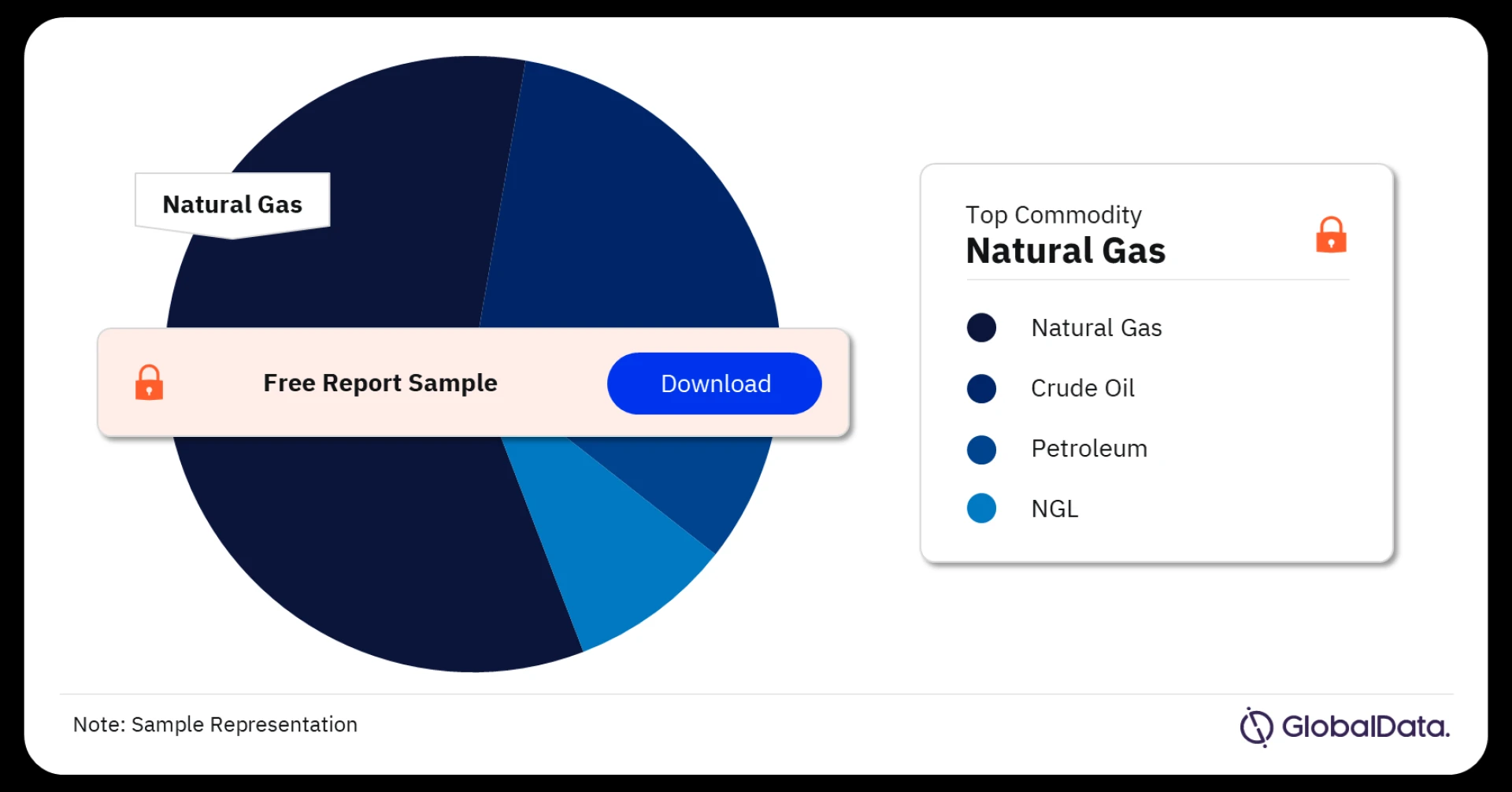
- Natural Gas Dominance: Natural gas consumption is projected to outpace oil due to its environmental benefits and role in energy security. This will drive demand for dedicated gas pipeline infrastructure.
- Expansion and Replacement: Existing pipelines require ongoing maintenance, upgrades, and replacements. Additionally, new pipeline projects are planned to access untapped resources and connect growing consumer markets.
- Deepwater Exploration: Increased exploration activities in deepwater fields necessitate specialized pipelines capable of withstanding harsher conditions.
Market Segmentation: Pipes vs. Pipelines
The oil and gas pipelines market can be segmented into two primary categories:
- Oil and Gas Pipes: This segment focuses on the manufacturing and supply of pipes specifically designed for oil and gas transportation. Key materials include steel (especially stainless steel), high-density polyethylene (HDPE), and polyvinyl chloride (PVC). Steel pipes offer superior strength and durability for high-pressure applications, while HDPE and PVC offer cost-effective solutions for low-pressure pipelines.
- Oil and Gas Pipelines: This segment encompasses the entire pipeline infrastructure, including pipes, valves, pumps, compressor stations, and control systems. Companies in this segment design, construct, operate, and maintain these complex networks.
Geographical Landscape
The oil and gas pipelines market is geographically diverse. Traditionally, North America and Europe have been dominant players due to their established infrastructure and mature energy sectors. However, the Asia-Pacific region is expected to witness the fastest growth in the coming years, driven by factors like:
- Rapid industrialization and urbanization in countries like China and India, leading to surging energy demand.
- Growing economies with increasing disposable income, leading to higher vehicle ownership and fuel consumption.
- Government investments in infrastructure development, including pipeline networks, to bolster energy security.
Key Players and Competitive Landscape
The oil and gas pipelines market is a competitive landscape with a mix of established players and emerging companies. Some of the leading players include:
- Enbridge Inc. (Canada)
- TransCanada Corporation (Canada)
- Kinder Morgan Inc. (US)
- Gazprom (Russia)
- China National Petroleum Corporation (China)
- Exxon Mobil Corporation (US)
Competition revolves around factors like:
- Expertise in pipeline design and construction, particularly for complex projects like deepwater pipelines.
- Technological advancements in pipe materials and coatings for enhanced efficiency and safety.
- Cost-effectiveness in project execution and operation.
- Compliance with stringent environmental regulations.
Challenges and Considerations
Despite its growth potential, the oil and gas pipelines market faces several challenges:
- Environmental Concerns: Public opposition to pipeline projects is growing due to concerns about environmental impact, potential leaks, and disruption of ecosystems.
- Geopolitical Tensions: Geopolitical instability in resource-rich regions can disrupt pipeline projects and lead to supply chain uncertainties.
- Shifting Energy Landscape: The rise of renewable energy sources could dampen long-term demand for oil and gas, impacting pipeline investments.
- Aging Infrastructure: A significant portion of the existing pipeline infrastructure is aging, necessitating substantial investments in maintenance and upgrades.
The Road Ahead: Innovation and Sustainability
The future of the oil and gas pipelines market hinges on its ability to adapt and innovate. Key trends to watch include:
- Focus on Sustainability: Companies are exploring ways to minimize the environmental footprint of pipelines, such as leak detection technologies and the use of recycled materials.
- Smart Pipelines: Integration of sensors, data analytics, and automation to improve pipeline monitoring, maintenance, and operational efficiency.
Buy the Full Report for More Commodity Insights on the Oil and Gas Pipelines Market, Download a Free Report Sample



























Sign in to leave a comment.