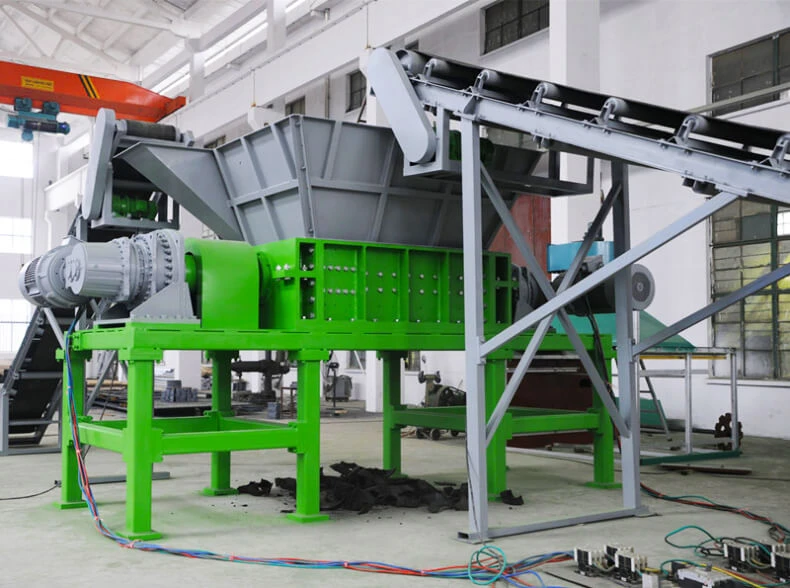

The manufacturing of tire granulators plays a crucial role in the recycling industry, transforming discarded tires into valuable materials for various applications. However, this process is not without its environmental implications. From the extraction of raw materials to the energy consumed during production, the environmental footprint of tire granulator manufacturing can be significant. This article delves into the various aspects of this industry, examining the resource consumption, emissions, and waste generation associated with the manufacturing process. Additionally, it will explore the regulatory framework guiding manufacturers and highlight sustainable practices that can mitigate negative environmental impacts, ultimately aiming to provide a comprehensive understanding of the ecological considerations tied to tire granulator production.
Overview of Tire Granulator Manufacturing
Definition and Purpose of Tire Granulators
ECOSHRED Tire granulators are industrial machines designed to process waste tires into smaller pieces, typically ranging from crumbs to granules. The primary purpose? To transform your old, rubbery friends into something useful! These machines play a key role in recycling efforts, breaking down tires to create materials that can be reused in various applications like rubber mats, playground surfaces, and even road asphalt. So, while you might view tires as the end of the road, these granulators see them as a new beginning.
Market Demand and Trends
The demand for tire granulators is on the rise, and it’s not just because the world is knee-deep in discarded tires. As eco-consciousness grows, industries are increasingly championing sustainable practices to reduce waste and utilize recycled materials. Moreover, government regulations promoting recycling and the reduction of landfill use further propel this market. With the trend toward greener production processes, tire granulators are becoming the rock stars of rubber recycling—everyone wants a piece of this eco-friendly pie!
Raw Materials and Resource Consumption
Sources of Raw Materials
Tire granulators primarily rely on used tires as their raw material, which means they’re effectively scavenging from a veritable rubber mountain. According to estimates, about 1 billion tires are disposed of each year, creating a consistent supply for manufacturers. However, some granulators may also incorporate other rubber materials or even non-rubber elements for specific applications, leading to a mixed bag of sourcing.
Impact of Material Sourcing on the Environment
While sourcing used tires sounds like a great eco-friendly approach, the environmental impact isn’t all sunshine and rainbows. Transporting these tires can contribute significantly to greenhouse gas emissions, especially when they’re shipped from far-off locations. Additionally, the extraction of materials to produce new tires carries its own set of environmental concerns, from deforestation to mining pollution. Essentially, while tire granulators help recycle, we still have to pay attention to the entire supply chain’s ecological footprint.
Energy Use and Emissions
Types of Energy Sources Used
Tire granulator manufacturing relies on various energy sources, showing that it’s a bit of an energy chameleon. Traditional electricity is the mainstay, but some manufacturers are also dabbling in alternative energy, such as solar or wind power, especially to appeal to the green-loving crowd. However, let’s face it—most granulators still depend heavily on fossil fuels, which means they aren’t exactly winning any eco awards just yet.
Carbon Footprint of Manufacturing Processes
The carbon footprint of tire granulator manufacturing can be quite substantial. From the energy-intensive operations of grinding and shredding tires to transportation emissions, the numbers can add up faster than a rubber band at a slingshot contest. While there are efforts to mitigate this impact—like improving energy efficiency and integrating cleaner technologies—there’s still a lot of room for improvement. A tire granulation plant that shifts towards greener practices could not only lower emissions but also become the eco-friendly champion of the recycling world!
Waste Generation and Recycling Practices
Types of Waste Produced in Manufacturing
In the tire granulation process, waste isn’t just a small footnote—it can be a significant chapter. Common types of waste include rubber dust, metal fragments, and non-recyclable materials that may not be suitable for granulation. While we can’t turn every bit of waste into gold, finding ways to minimize and manage this refuse is crucial for a more sustainable operation.
Recycling and Reuse of Materials
On the bright side, tire granulation is already a form of recycling, but what happens to the byproducts? Some manufacturers are getting creative, looking for ways to recycle the rubber dust and metal that emerge during processing. This can include reusing rubber dust in different products or recovering metals for secondary recycling. Although the recycling rate isn’t perfect and there’s room for improvement, industry innovations continue to evolve, paving the path toward a more circular economy for tires. Who knew rubber could have so many lives?
Water Usage and Management
Water Consumption in Production
Manufacturing tire granulators is not a dry affair. Water plays a vital role in various stages, including cooling, cleaning, and even in some processes of rubber breakdown. Depending on the scale of production, a single plant can consume thousands of gallons daily. To minimize this impressive thirst, many manufacturers are turning to efficient water recycling systems, which allow them to reuse water rather than continuously drawing from local sources. The goal? Keep those granulators running without turning the nearby river into a puddle.
Effluent Management and Treatment
Once the water is used, it doesn't just vanish into thin air. It leaves behind a trace, often in the form of effluent that can contain potentially hazardous materials. Responsible manufacturers are stepping up to the plate by implementing effluent treatment processes, which often include filtration, chemical treatment, and sometimes even biological methods to ensure that what goes back into the environment is cleaner than a fresh pair of socks. This isn’t just a regulatory box-check; it’s about maintaining the delicate balance of local ecosystems.
Life Cycle Assessment of Tire Granulators
Stages of the Life Cycle
A life cycle assessment (LCA) of tire granulators looks beyond the factory walls and considers every stage—from raw material extraction to the end of the granulator’s life. It breaks down the process into stages: sourcing materials (think gigantic rubber graveyards), manufacturing, distribution, usage, and finally, disposal or recycling. Each stage comes with its own set of environmental impacts, and by charting this course, manufacturers can identify where improvements can be made. Spoiler alert: it’s often in recycling!
Environmental Impact Assessment Findings
The findings from LCAs can be a bit of a wake-up call for manufacturers. Many assessments reveal that the bulk of environmental impact occurs during the manufacturing phase, particularly in energy consumption and emissions. Some studies even find that using recycled materials has a significantly lower impact compared to sourcing new raw materials. So, it’s not just about making a product—it’s about making it responsibly. A little foresight here can lead to big gains in sustainability points (not to mention a guilt-free conscience). https://www.ecoshred-recycling.com
Environmental Regulations and Compliance
Key Regulations Affecting Manufacturing
Manufacturers of tire granulators have quite the regulatory dance card to fill. In many regions, key regulations focus on emissions standards, waste management practices, and water quality control. Legislation like the Clean Air Act and the Resource Conservation and Recovery Act in the U.S. play critical roles in dictating how these manufacturers operate. It’s a bit like trying to play hopscotch in a minefield, but with the right strategies, compliance can be achieved without losing a leg.
Compliance Challenges and Solutions
Of course, following the rules is easier said than done, as manufacturers often face challenges such as outdated equipment, high costs for compliance upgrades, and the ever-looming specter of regulatory changes. However, embracing innovative technologies can ease this burden. Solutions may include investing in cleaner production technologies, implementing robust monitoring systems, or even training staff on the latest compliance protocols. It’s all about turning those compliance headaches into manageable tasks—and maybe even finding a few laughs along the way.

























Sign in to leave a comment.