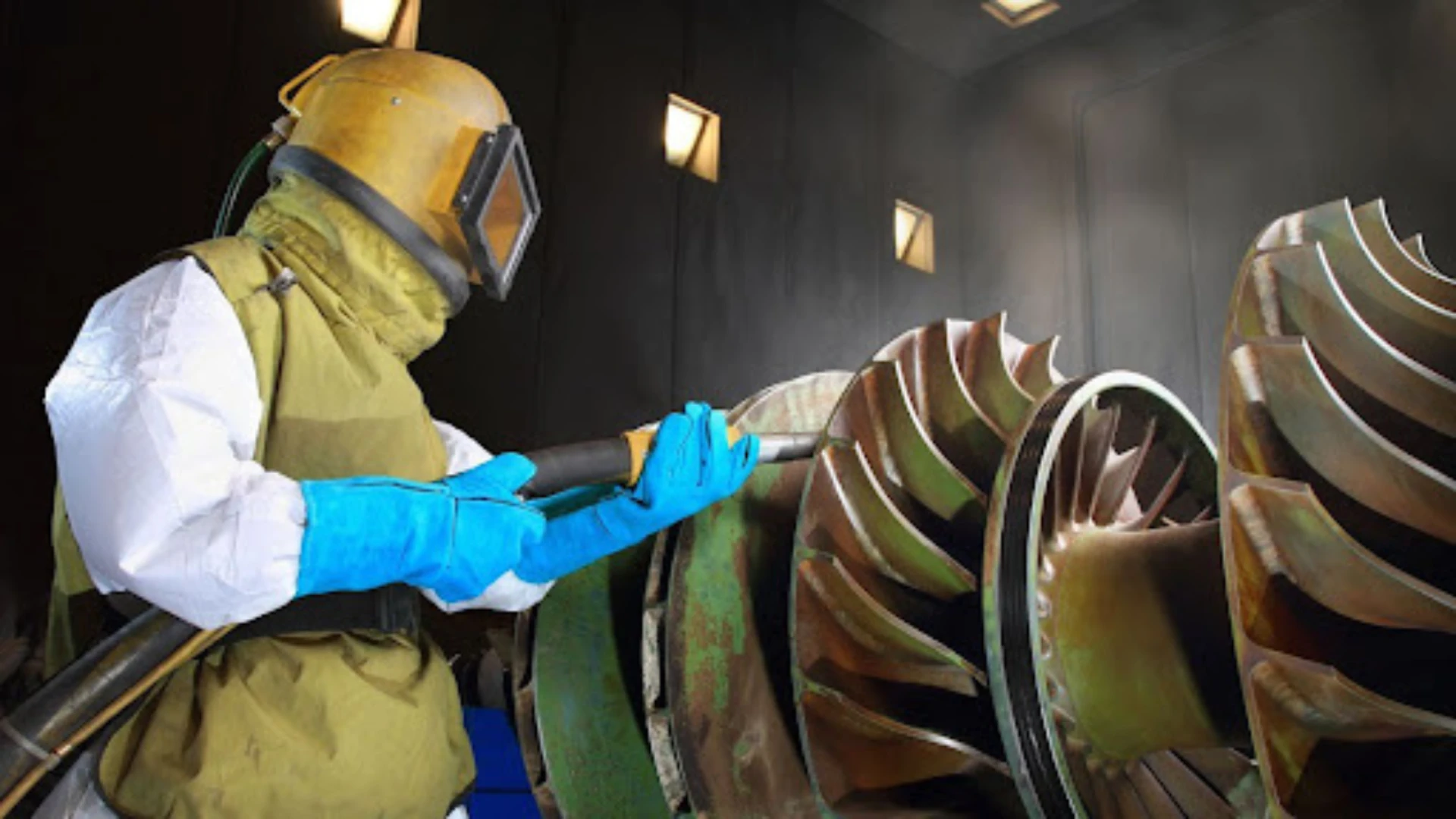

Surface preparation is a critical step in many industries, whether it's for construction, manufacturing, or maintenance projects. The right surface preparation ensures that coatings, paint, or materials adhere properly, increasing the longevity and performance of the surface. Efficient surface preparation saves time and reduces costs, making it an essential process for any project. This blog will discuss the key strategies and tools used to achieve efficient surface preparation.
Importance of Surface Preparation
Before diving into strategies and tools, let’s understand why surface preparation is so important:
- Better Adhesion: Properly prepared surfaces allow for better adhesion of paints, coatings, or sealants.
- Increased Durability: Well-prepared surfaces result in longer-lasting coatings, reducing the need for frequent repairs or maintenance.
- Improved Aesthetics: Smooth and clean surfaces improve the overall appearance of the final product.
- Cost Savings: By ensuring a well-prepped surface, the risk of coating failure is reduced, saving on future repair costs.
Key Strategies for Efficient Surface Preparation
1. Assessing the Surface Condition
Before starting any surface preparation, evaluate the current condition of the surface. This helps in determining the most effective tools and methods for the job. Different surfaces (metal, concrete, wood) require different approaches.
2. Selecting the Right Method
Depending on the type of surface and the desired outcome, there are various preparation methods. Some common methods include:
- Sandblasting: Ideal for removing rust, paint, and other contaminants from metal surfaces.
- Water Blasting: Uses high-pressure water to clean and remove dirt or contaminants.
- Chemical Stripping: Useful for removing old coatings or rust using chemicals.
- Grinding or Sanding: For surfaces that need smoothing or leveling.
3. Choosing Eco-Friendly Options
Sustainable practices are gaining importance. Wet sandblasting and dustless blasting are two methods that reduce airborne particles and are environmentally friendly. These methods also help in protecting workers' health by reducing the risk of inhaling hazardous dust.
4. Planning and Scheduling
Proper planning and scheduling are crucial for efficient surface preparation. Allocate enough time for preparation before applying coatings or paints to ensure the surface is completely clean and dry. Rushing through the process can result in improper adhesion, leading to costly repairs later on.
5. Using Protective Equipment
Efficient surface preparation also involves using the right protective gear for the workers. Safety goggles, gloves, and masks are essential to prevent injuries from flying debris or exposure to chemicals.
Tools for Efficient Surface Preparation
1. Sandblasters
Sandblasters are widely used for cleaning and prepping metal surfaces by removing old paint, rust, and debris. They work by propelling abrasive materials like sand, glass beads, or steel grit against the surface at high speed.
2. Pressure Washers
Pressure washers use high-pressure water to clean surfaces like concrete, brick, or metal. They are particularly effective in removing dirt, grime, and loose paint.
3. Grinders and Sanders
These are ideal for smoothing rough surfaces or preparing wood, metal, or concrete. Hand-held grinders and electric sanders provide precision in areas that require fine detailing.
4. Wet Sandblasting Equipment
Wet sandblasting combines water and abrasive materials to remove tough coatings without creating dust. This method is effective and eco-friendly, as it minimizes harmful dust particles.
5. Chemical Stripping Tools
For surfaces with layers of old paint or rust, chemical stripping tools can be used. They apply chemical solutions that soften the unwanted material, making it easier to remove.
Conclusion
Efficiency in surface preparation is achieved by using the right strategies and tools. Proper assessment of the surface, selecting eco-friendly methods, and utilizing the appropriate equipment ensure that the job is done quickly and effectively. One effective approach is to benefit from abrasive blasting techniques, which can provide a thorough and efficient clean. Whether you're working on a commercial site or a residential project, efficient surface preparation not only improves the quality of the final product but also saves time and money in the long run. Always remember, a well-prepared surface is the foundation of any successful project!





















Sign in to leave a comment.