
Introduction
Paint is not just for aesthetics — it's a critical layer of protection for buildings, machinery, and infrastructure. Over time, exposure to the elements, pollutants, and physical wear can cause paint to deteriorate, leading to more serious damage underneath. This is where paint maintenance becomes essential. A proper maintenance schedule ensures your surfaces stay attractive, protected, and long-lasting, while reducing the need for frequent, costly repaints. Whether it's a residential space, commercial property, or industrial site, understanding how to care for painted surfaces can significantly extend their lifespan and preserve their value.
1. Proper Surface Preparation is the Foundation
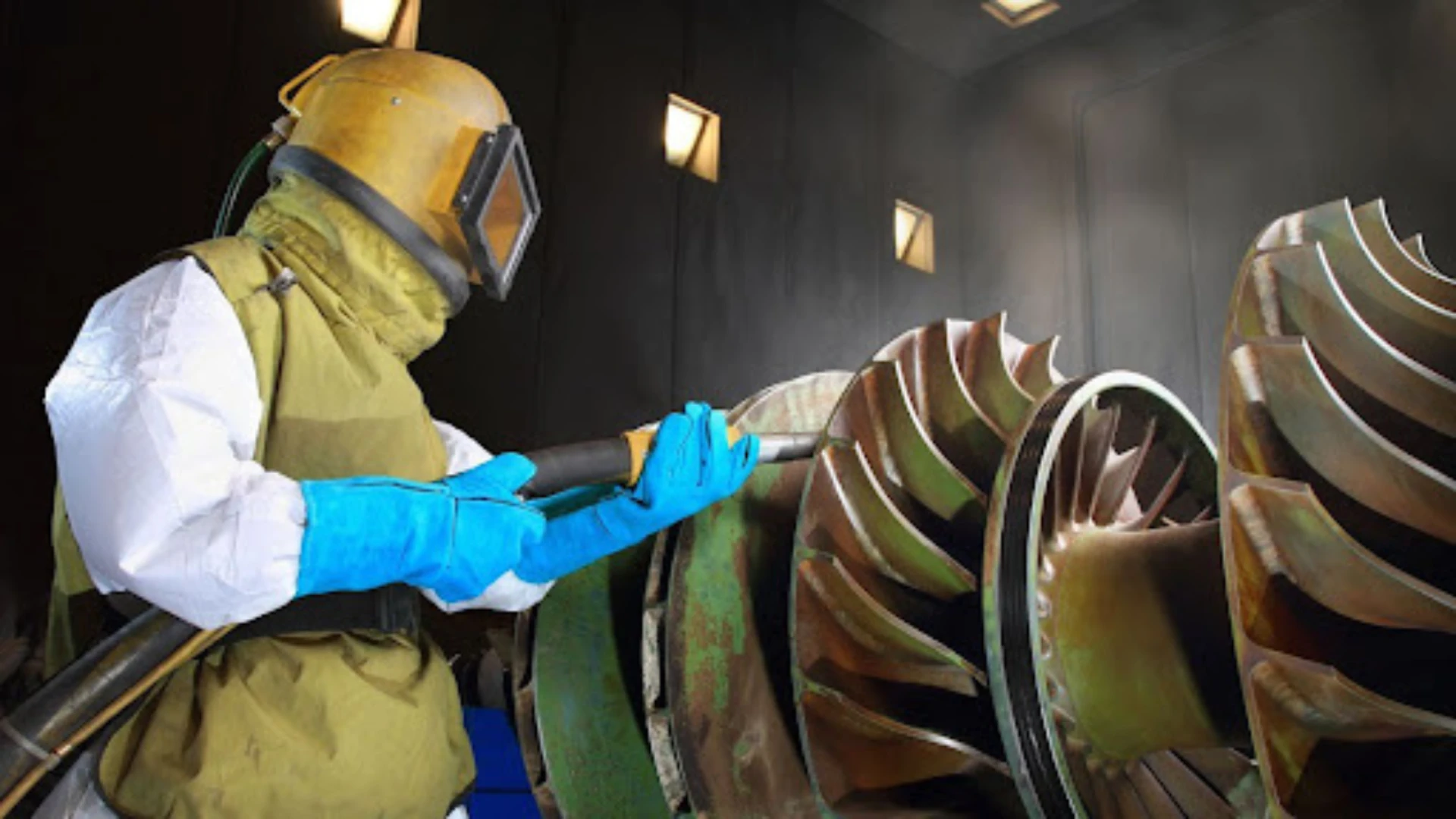
Every successful paint job — including maintenance repaints — begins with proper surface preparation. Before repainting, the existing surface must be inspected and cleaned. Dust, dirt, old peeling paint, rust, mildew, and other contaminants must be removed to ensure proper adhesion of new paint layers. Techniques like pressure washing, sandblasting, or chemical cleaning are commonly used depending on the surface type. Skipping this step may result in premature paint failure, blistering, or uneven finishes. Proper prep not only helps paint bond better but also reveals structural issues that might be hidden under deteriorated coatings.
2. Using the Right Paint for the Right Conditions
Not all paints are designed for every environment. Indoor spaces, exteriors, high-humidity zones, and industrial areas each require specialized coatings. For example, epoxy or polyurethane coatings are often used in industrial settings due to their high durability, while UV-resistant acrylics are preferred for sun-exposed exteriors. Paint maintenance involves choosing the correct formulation during touch-ups or repaints. It’s also crucial to match color and sheen when doing localized repairs to maintain a consistent look. When in doubt, consult a professional to ensure compatibility and long-term results.
3. Regular Inspections Extend the Life of Paint
Routine inspections are key to identifying small issues before they become big problems. Fading, cracking, bubbling, chalking, and mold growth are common signs of wear. These symptoms indicate the paint is losing its protective properties. Conducting seasonal inspections, especially after harsh weather conditions, helps catch deterioration early. Simple steps like washing painted surfaces with mild soap and water or addressing minor chips immediately can prevent moisture penetration and extend the life of the underlying structure. A proactive approach reduces the frequency of full-scale repainting projects and ensures surfaces stay clean and well-maintained.
4. Timely Touch-Ups and Recoating
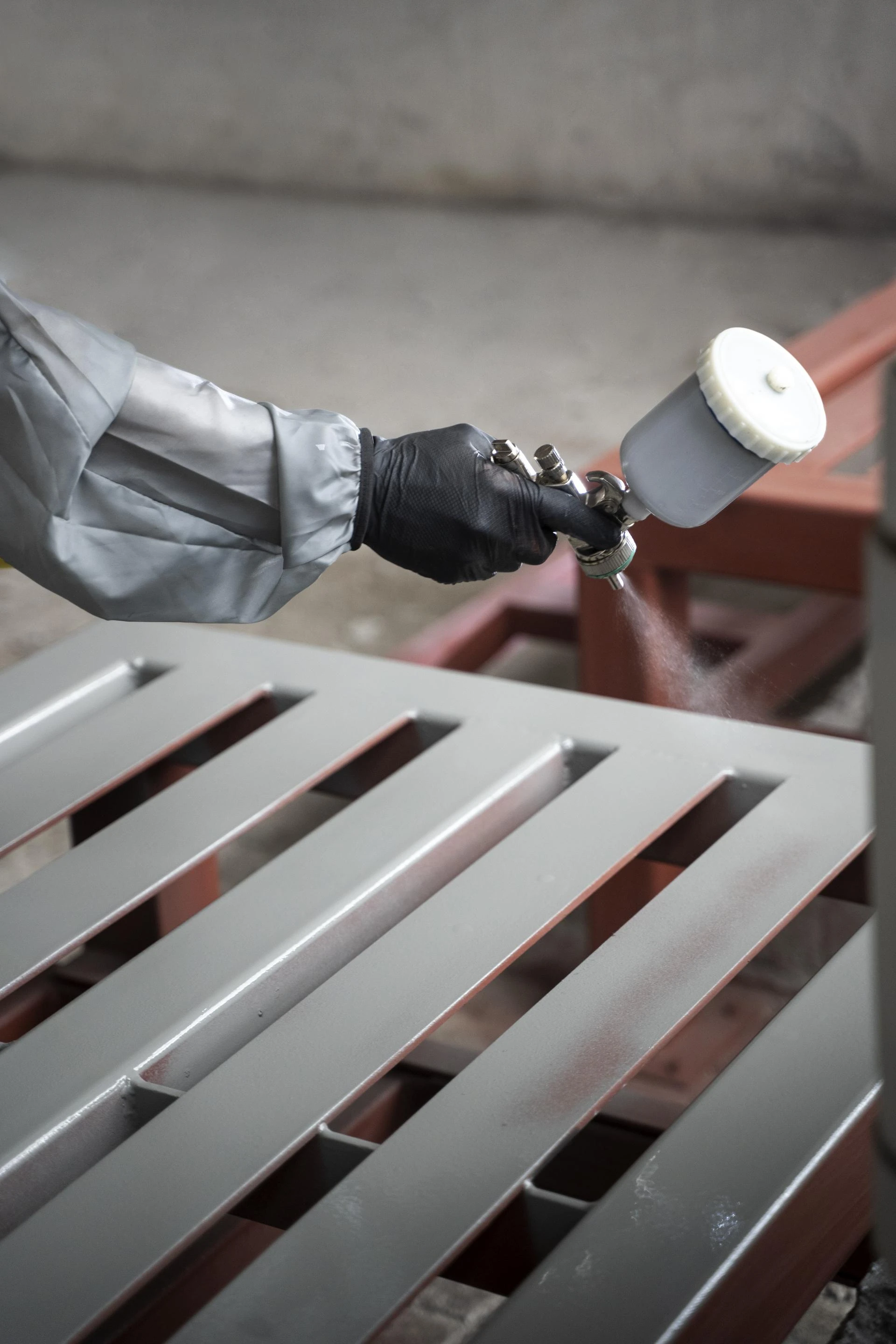
Paint maintenance isn’t always about redoing everything — it's about preserving what already exists. Touch-ups in high-traffic or high-exposure areas are especially important. Door frames, window sills, stair railings, and exterior walls often experience accelerated wear. Reapplying paint in these zones on a rotational basis reduces the chance of full paint breakdown. In larger facilities or properties, having a paint maintenance log helps track which areas were last serviced, ensuring nothing is missed. A scheduled recoating every 3–7 years (depending on the type of paint and surface) can drastically improve the look and longevity of a property.
Practical Paint Maintenance Tips
A. Preventive Measures
- Use mold-resistant primers and sealers in humid areas
- Install protective overhangs or shades to limit UV exposure
- Clean surfaces annually to remove pollutants and salt deposits
B. Routine Upkeep
- Touch up scuff marks and chips as they appear
- Re-seal painted metal surfaces to prevent rust
- Keep track of paint types, colors, and application dates
C. Professional Intervention
- Schedule a full paint audit every 3–5 years
- Hire professionals for industrial or large-scale repainting
- Use thermal imaging or moisture meters to detect hidden damage
Conclusion
Paint isn't permanent — but with proper care, its life can be significantly extended. Paint maintenance is more than just applying a fresh coat; it's a strategic process that protects your surfaces, prevents structural decay, and keeps your property looking sharp and professional. By following a consistent maintenance schedule — including inspections, cleaning, touch-ups, and recoating — you reduce long-term costs and increase asset value. Whether managing a home, warehouse, or high-traffic business facility, regular paint maintenance ensures you always put your best face forward.



























Sign in to leave a comment.