
Introduction:
Excavation equipment is an essential tool for many construction projects. It is used to dig, move, and shape the earth to create foundations, trenches, and other structures. There are many types of excavation equipment available, each with its own specific uses and advantages. In this article, we'll explore the different types of excavation equipment, their uses, and the advantages they offer.
Types of Excavation Equipment:
Excavators:
Excavators are one of the most common types of excavation equipment. They are used to dig trenches, foundations, and holes, and can also be used for demolition projects. Excavators typically have a long arm with a bucket attachment that can be used to scoop up soil and debris.
Backhoes:
Backhoes are similar to excavators but have a smaller size and a shorter arm. They are commonly used for small to medium-sized excavation projects, such as digging small trenches or removing soil for landscaping projects.
Bulldozers:
Bulldozers are large, powerful machines that are used to move large quantities of soil and debris. They are commonly used for leveling and grading projects, as well as for demolition and site preparation.
Loaders:
Loaders are heavy equipment used to move large quantities of soil, gravel, and other materials. They are commonly used for loading and unloading trucks, as well as for excavation and grading projects.
Skid Steer Loaders:
Skid steer loaders are small, compact machines that are used for excavation projects in tight spaces. They have a narrow frame and can be fitted with various attachments, such as a bucket, auger, or backhoe.
Uses of Excavation Equipment:
Trenching:
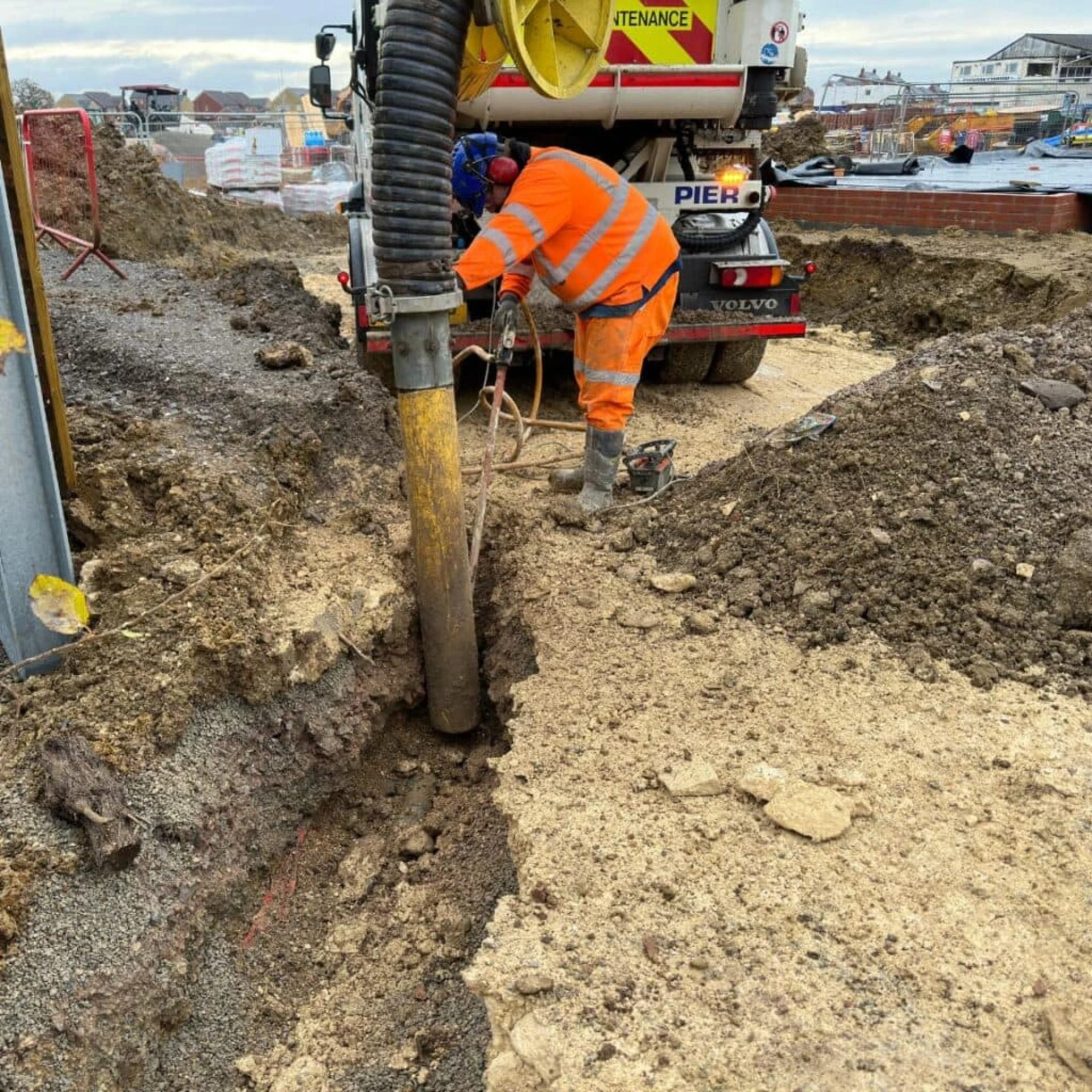
Excavation equipment is commonly used for trenching projects, such as installing pipes or cables. Excavators and backhoes are particularly well-suited for this type of work, as they can easily dig deep and narrow trenches.
Site Preparation:
Excavation equipment is also used for site preparation projects, such as grading and leveling land for construction. Bulldozers and loaders are commonly used for this type of work.
Demolition:
Excavation equipment is also used for demolition projects, such as tearing down buildings or structures. Bulldozers and excavators are commonly used for this type of work.
Landscaping:
Excavation equipment can also be used for landscaping projects, such as removing soil for the installation of a new lawn or garden. Backhoes and skid steer loaders are commonly used for this type of work.
Advantages of Excavation Equipment:
Speed:
Excavation equipment can complete projects much faster than traditional manual labor. This can save time and money on construction projects, particularly those with tight deadlines.
Efficiency:
Excavation equipment is also more efficient than traditional manual labor. It can move larger quantities of soil and debris in a shorter amount of time, reducing the need for multiple workers and increasing productivity.
Precision:
Excavation equipment can also offer a higher degree of precision than manual labor. Machines can be programmed to dig to a specific depth and angle, ensuring that the excavation is accurate and consistent.
Safety:
Excavation equipment can also improve safety on construction sites. Workers are less likely to suffer from strain or injury when using machines to move heavy loads, reducing the risk of accidents.
FAQs:
What are the different types of excavation buckets?
There are several types of excavation buckets, including standard buckets, rock buckets, and ditching buckets. Standard buckets are the most common type and are used for general excavation projects.




























Sign in to leave a comment.