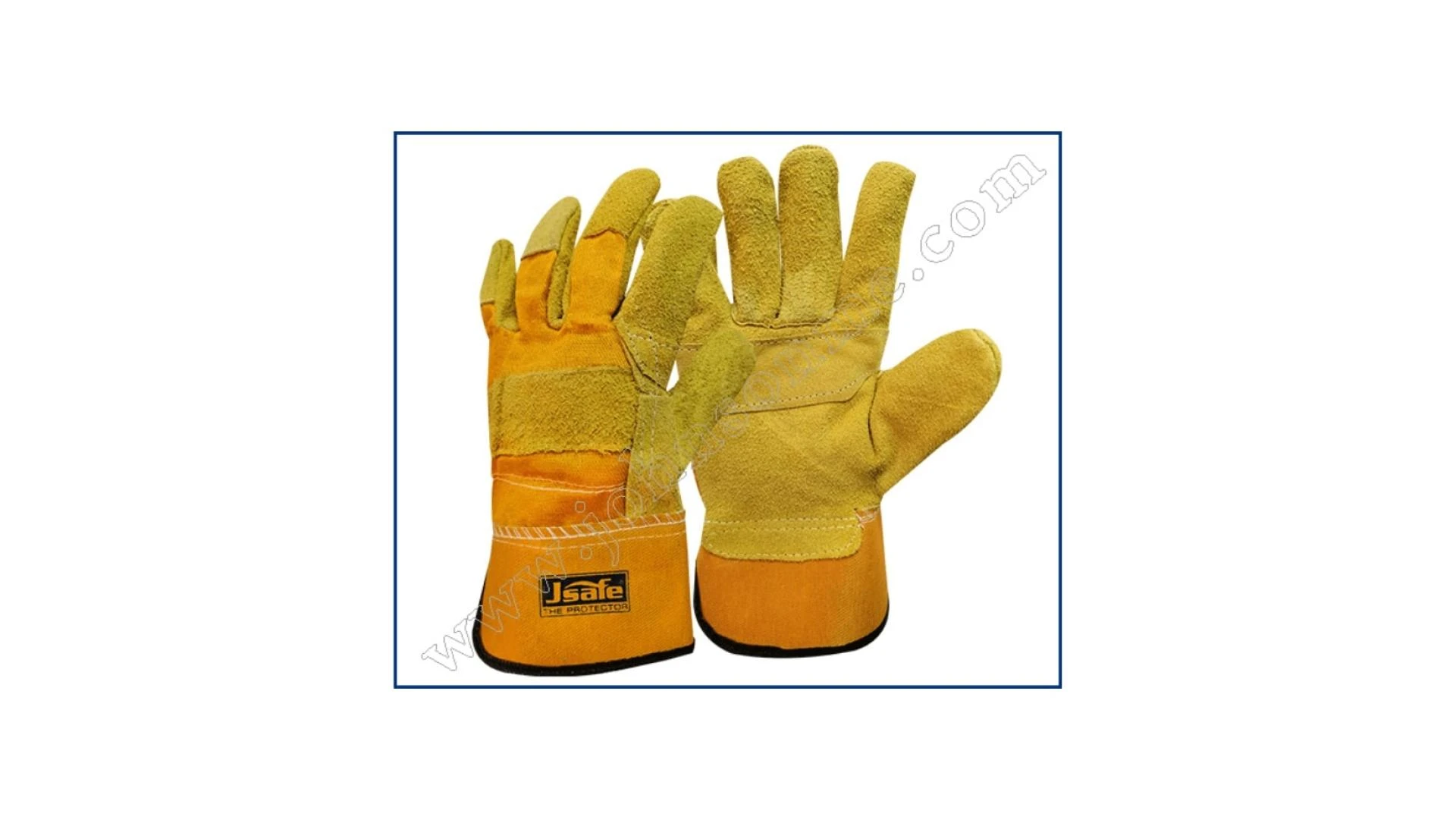

In today's fast-paced world, ensuring personal safety is paramount. When it comes to safeguarding hands from potential hazards, safety gloves play a crucial role. Whether in industrial settings, healthcare environments, or everyday tasks, safety gloves provide an essential layer of protection. In this blog, we will explore the importance of safety gloves, their various types, and their significance in preventing injuries and promoting a safe working environment.
Types of Safety Gloves:
Safety gloves are available in a wide range of materials, each designed to provide protection against specific hazards. Some common types include:
a) Nitrile Gloves: These gloves are highly resistant to chemicals, oils, and punctures, making them ideal for laboratory work, medical examinations, and industries where exposure to hazardous substances is prevalent.
b) Latex Gloves: Latex gloves offer excellent tactile sensitivity and are widely used in the healthcare industry. However, they may cause allergic reactions in some individuals, leading to the popularity of alternative options like nitrile or vinyl gloves.
c) Leather Gloves: Known for their durability and resistance to abrasion, leather gloves are commonly used in construction, welding, and heavy-duty applications. They offer protection against cuts, burns, and mechanical risks.
d) Cut-Resistant Gloves: Constructed from materials like Kevlar or high-performance polyethylene, cut-resistant gloves are designed to protect against sharp objects and blades. They find applications in industries such as metalworking, glass handling, and woodworking.
e) Heat-Resistant Gloves: These gloves are engineered to withstand high temperatures, protecting hands from burns and thermal hazards. They are essential in industries like foundries, steel manufacturing, and welding.
Importance of Safety Gloves:
a) Hand Injury Prevention: Hands are particularly vulnerable to injuries in various work environments. Safety gloves act as a barrier, shielding hands from cuts, abrasions, burns, chemical exposure, and punctures. By wearing the appropriate type of gloves, workers significantly reduce the risk of accidents and occupational hazards.
b) Chemical Protection: Chemicals used in industries can cause severe harm to the skin, leading to burns, allergies, or long-term health issues. Safety gloves made from chemical-resistant materials provide a vital layer of defense against such hazards, ensuring worker safety and well-being.
c) Infection Control: In healthcare settings, safety gloves are crucial in preventing the transmission of infectious diseases. They form a barrier between healthcare professionals and patients, minimizing the risk of cross-contamination and the spread of pathogens.
d) Enhanced Grip and Dexterity: Safety gloves are designed to offer improved grip and dexterity, enabling workers to handle tools, equipment, and objects with precision. This feature is especially important in industries like construction, manufacturing, and assembly lines where secure handling is essential.
e) Regulatory Compliance: Occupational Safety and Health Administration (OSHA) regulations mandate the use of appropriate personal protective equipment (PPE) to ensure worker safety. Safety gloves are an integral part of this compliance, and failure to use them can result in penalties and legal repercussions for employers.
Conclusion:
Safety gloves are an indispensable part of personal protective equipment, offering vital protection against various hazards in different work environments. From preventing hand injuries to safeguarding against chemical exposure and promoting infection control, safety gloves play a crucial role in ensuring the well-being of workers across industries. By understanding the different types of safety gloves available and their specific applications, employers can create a safer work environment and protect their most valuable assets—their employees' hands and lives. Remember, wearing the right safety gloves is not just a requirement but a responsibility towards ensuring personal safety.



























Sign in to leave a comment.