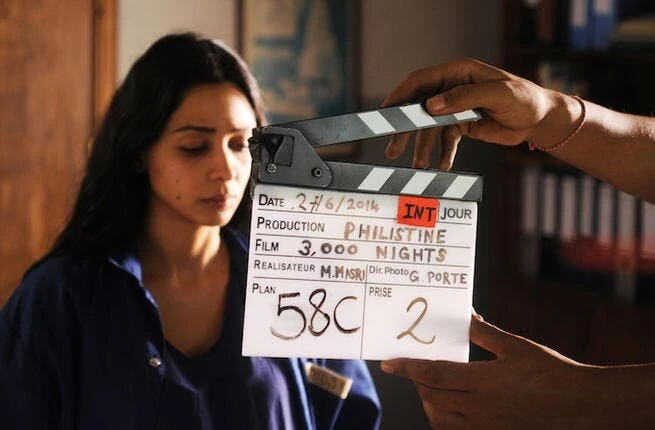
Arab cinema has a rich history that spans more than a century. Its evolution reflects the political, social, and cultural changes in the region. This journey highlights key moments, influential figures, and milestones that have shaped Arab filmmaking.
The Beginnings of Arab Cinema
The first Arab films emerged in Egypt during the early 20th century. The silent film Leila (1927) marked one of the first cinematic endeavors. At the time, cinema was heavily influenced by European styles, particularly French and Italian filmmaking techniques.
Cairo quickly became the heart of Arab cinema. By the 1930s, sound films started gaining popularity. Talkie movies like The White Rose (1933) by Mohamed Karim attracted widespread acclaim. Egyptian filmmakers experimented with storytelling, blending traditional Arab narratives with Western cinematic elements.
The Golden Age (1940s–1960s)
This period is often considered the pinnacle of Arab cinema. Egypt dominated the industry, producing hundreds of films annually. Legendary actors like Omar Sharif, Faten Hamama, and Soad Hosny rose to fame, captivating audiences across the Arab world.
Films like Cairo Station (1958) by Youssef Chahine gained international recognition. This era also introduced musicals and romantic dramas, reflecting societal values of the time. The industry thrived, supported by studios like Studio Misr, which played a pivotal role in professionalizing filmmaking.
Read More: افلام عربي 2024
Political Influence on Cinema
Post-independence movements across the Arab world shaped the themes of films in the 1960s and 1970s. Filmmakers tackled subjects like colonialism, identity, and social justice. Syrian and Palestinian filmmakers used cinema to highlight their struggles, creating a new wave of politically charged films.
One example is The Land (1969) by Youssef Chahine, which depicted the lives of Egyptian farmers resisting oppression. Meanwhile, directors like Mustafa Akkad brought Arab stories to global audiences with films like The Message (1976), which portrayed the life of Prophet Muhammad.
Challenges in the 1980s and 1990s
Economic downturns and political instability hindered film production in several Arab countries during this period. Egypt continued to produce commercial films, but they often lacked the artistic depth of earlier works.
Lebanon, recovering from civil war, began re-establishing its cinematic identity. Tunisian and Moroccan filmmakers gained attention with bold, experimental works that explored themes like gender, religion, and migration. Nacer Khemir's The Dove's Lost Necklace (1991) exemplifies this era's artistry.
The Revival of Arab Cinema (2000s–Present)
The 21st century witnessed a resurgence of Arab cinema, fueled by globalization and technological advancements. Filmmakers embraced digital tools, reducing production costs and enabling independent voices to emerge.
Festivals like the Dubai International Film Festival and the Cairo International Film Festival provided platforms for Arab filmmakers. Works such as Nadine Labaki's Caramel (2007) and Capernaum (2018) received international acclaim, highlighting societal issues with authenticity.
Streaming platforms like Netflix have further expanded the reach of Arab films, introducing them to global audiences. Films like The Blue Elephant (2014) and Amira (2021) reflect the diversity of genres, from psychological thrillers to socially conscious dramas.
Read More: مسلسلات عربية 2024
Conclusion
Arab cinema's evolution is a testament to its resilience and creativity. From silent films to digital masterpieces, it continues to adapt and grow. Each era reflects the region's rich history and cultural complexities, making Arab cinema an invaluable part of global film heritage.
What does the future hold for Arab cinema? As more stories gain international attention, it is poised to leave an even greater mark on the global stage.











Sign in to leave a comment.