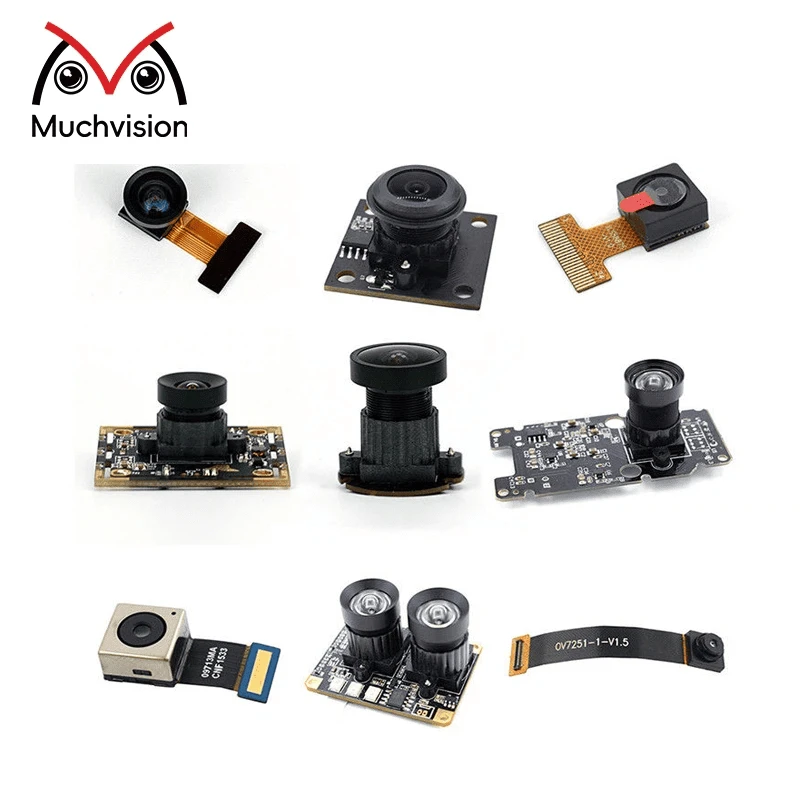

introduction
Imagine capturing moments with a device smaller than your palm, capable of 108-megapixel resolution and AI-powered enhancements. This is the reality today, but how did camera modules evolve from primitive pinhole boxes to cutting-edge smartphone sensors? Let's dive into the evolution of camera modules, spanning over a millennium.Refer to the previous article for the definition of the camera module.
Early Optical Devices: The Birth of Camera Modules (1021–1800s)
The story begins with the camera obscura (Latin for "dark room"), invented in 1021 by Ibn al-Haytham. This device projected inverted images through a tiny hole, laying the foundation for optics. Centuries later, Johann Zahn designed the first portable camera obscura in 1685, but it lacked a way to preserve images.
By the 1820s, Joseph Nicéphore Niépce developed heliography, the first permanent photographic process. However, exposure times took hours-hardly practical for modern standards.
Film Cameras: The Golden Age of Photography (1880s–1990s)
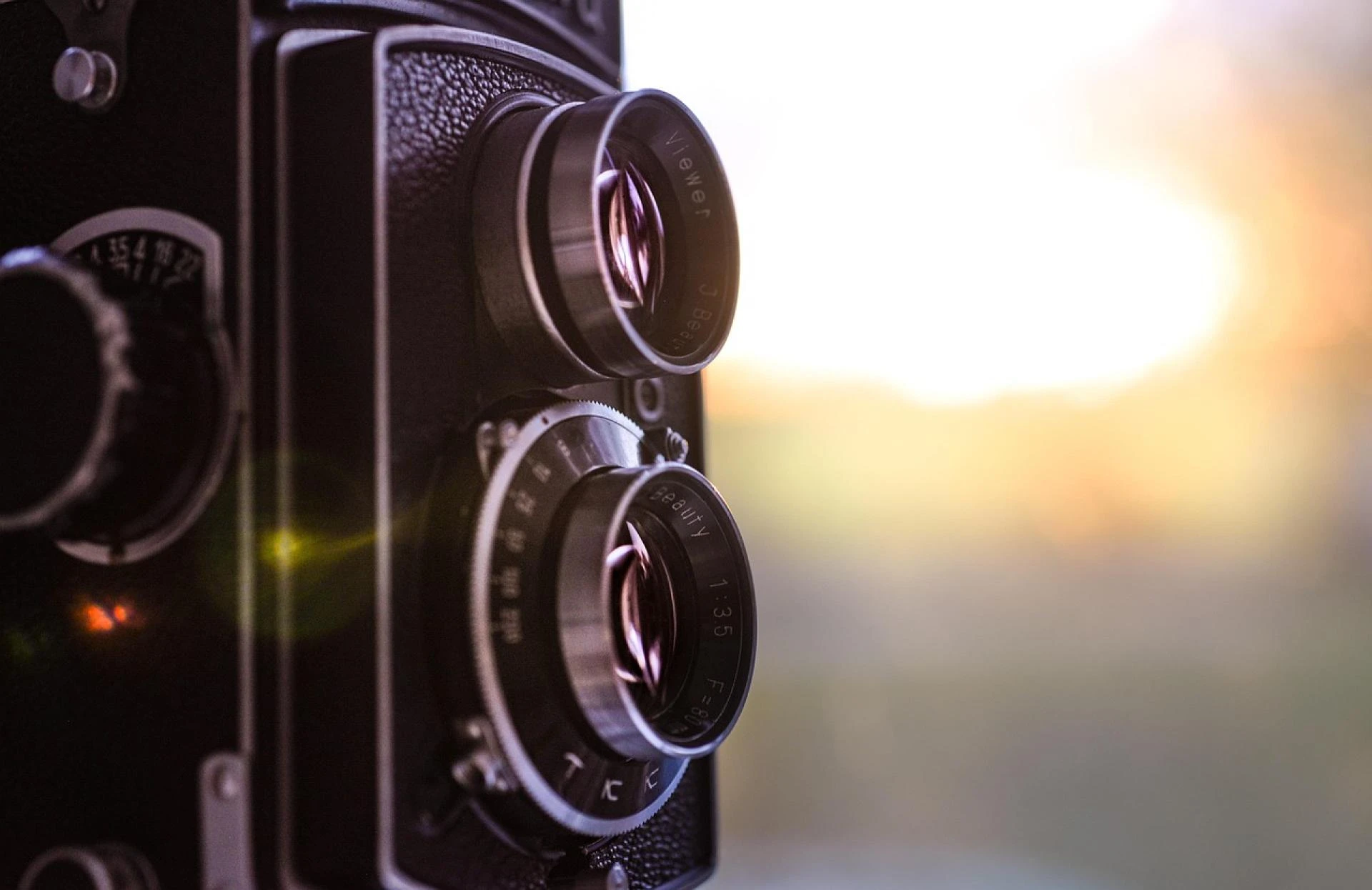
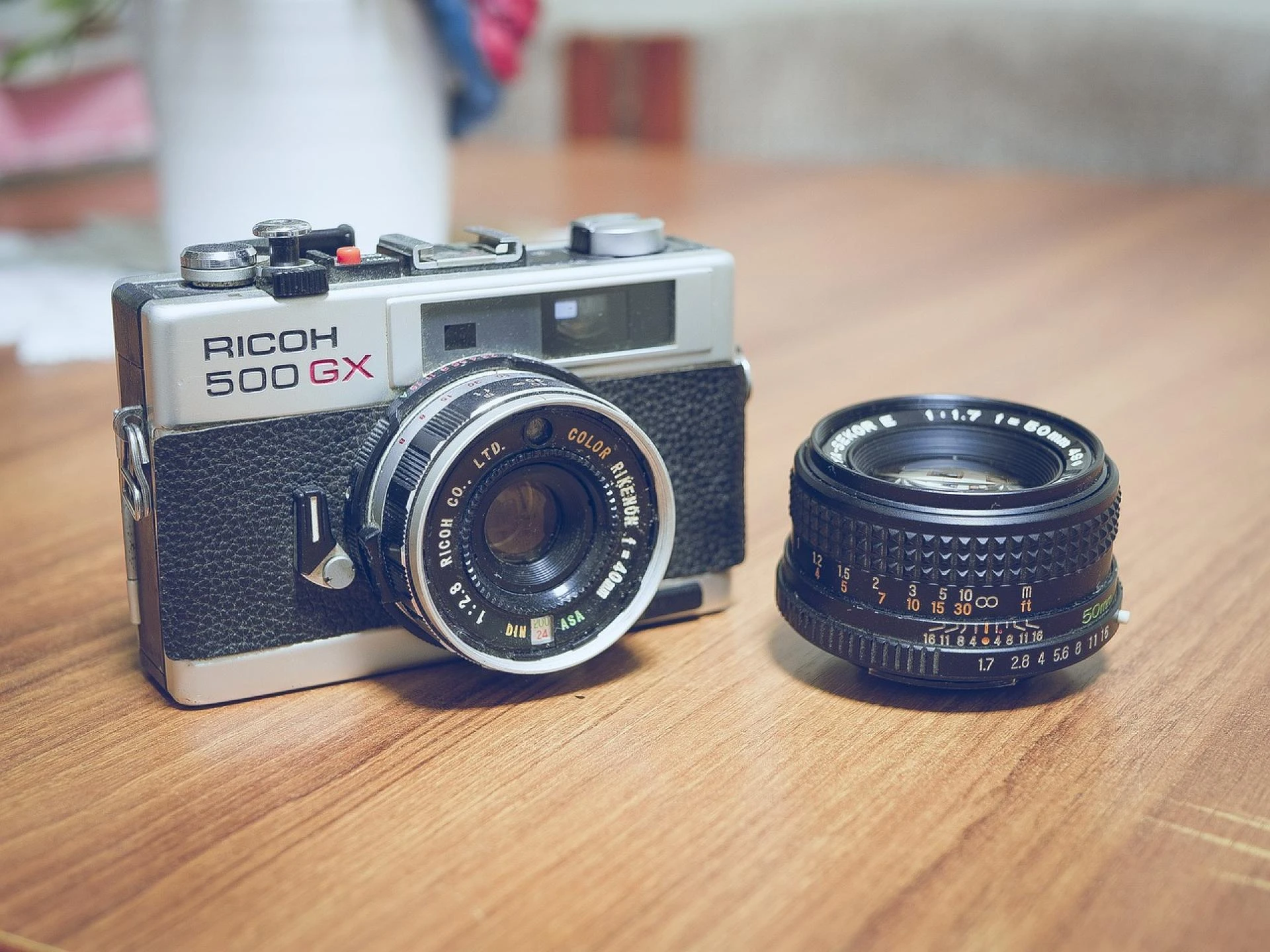
The evolution of film cameras transformed photography into a mainstream art form. In 1888, George Eastman's Kodak introduced the first handheld camera with roll film, making photography accessible to amateurs. By the 1930s, Leica's 35mm rangefinder cameras revolutionized portability, while Polaroid's instant film (1948) allowed instant prints.
Fun fact: Kodak sold over 150 million Instamatic cameras between 1963 and 1970, dominating the market.
The Digital Revolution: CCD to CMOS Sensors (1960s–2000s)
The shift to digital began in 1969 with the charge-coupled device (CCD) sensor, which converted light into electrical signals. Kodak's first digital camera (1975) weighed 8 pounds and recorded 0.01-megapixel images-primitive but groundbreaking.
By the 2000s, CMOS sensors replaced CCDs, offering faster processing and lower power consumption. Brands like Canon and Nikon released DSLRs, merging film-era optics with digital capabilities.
Smartphone Cameras: Redefining Convenience (2000s–Present)
The evolution of smartphone cameras accelerated after Nokia's N95 (2007) introduced a 5-megapixel sensor. Today, flagship phones like the iPhone 15 Pro Max and Samsung Galaxy S24 Ultra feature triple-lens systems, 1-inch sensors, and computational photography.
According to Counterpoint Research, smartphone cameras account for 92% of all photos taken globally.
if want to learn more about the Evolution of Camera Modules,pls view here.



























Sign in to leave a comment.