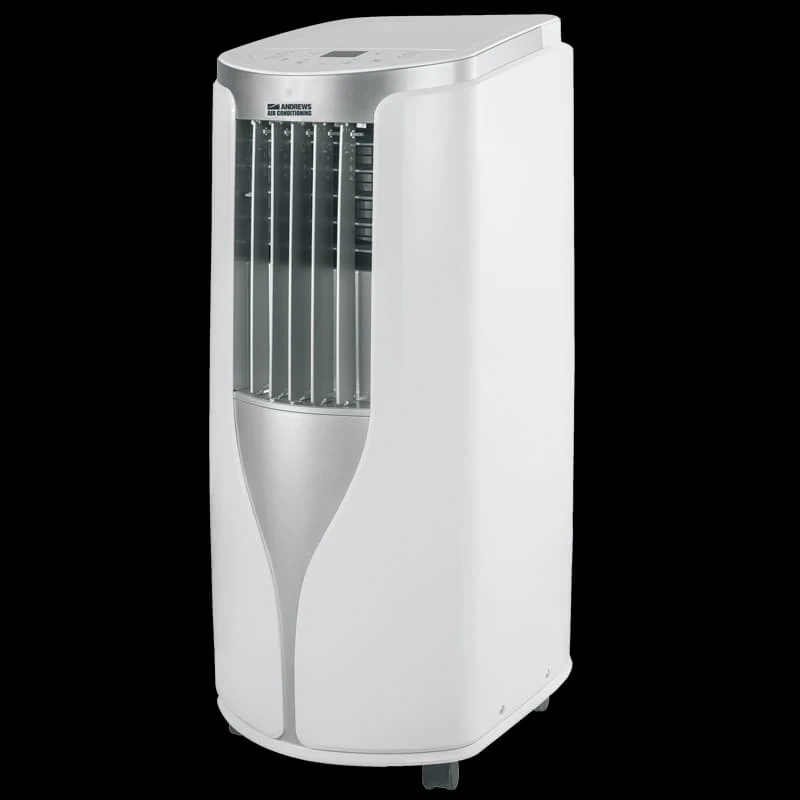
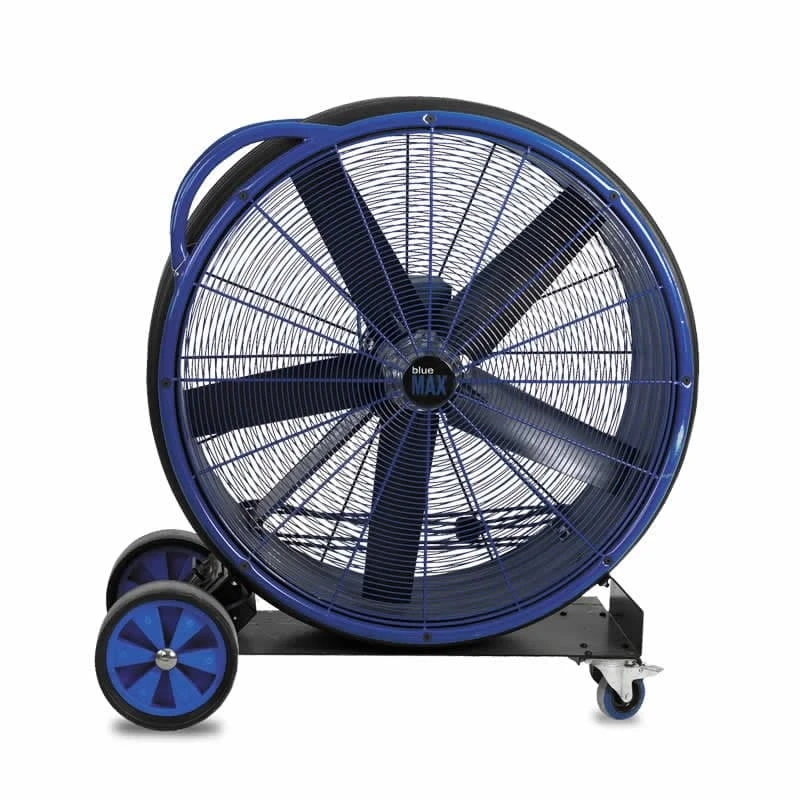
The journey of industrial air conditioning has been nothing short of revolutionary. From its inception to its current state, the evolution of the industrial air conditioning unit showcases a significant advancement in technology and design, reflecting the changing needs of industries across the globe. Understanding this evolution not only highlights the importance of climate control in industrial settings but also sheds light on the innovations that have shaped modern society.
The Birth of Air Conditioning: A Historical Overview
The concept of air conditioning dates back to ancient civilizations, where methods to cool indoor spaces were rudimentary at best. The Egyptians used wet reeds to cool the air, while the Romans employed aqueducts to circulate cool water through their buildings. However, it wasn’t until the early 20th century that the first modern air conditioning system was created. In 1902, Willis Haviland Carrier engineered a groundbreaking system designed primarily for a printing plant in Brooklyn. This invention not only regulated temperature but also controlled humidity, marking the beginning of a new era in industrial climate control.
The initial adoption of air conditioning was primarily in industrial settings, where it was crucial for maintaining optimal working conditions and preserving sensitive materials. Factories began to realize that controlling the environment could enhance productivity and safeguard products from damage. Over the years, as Carrier's technology evolved, more businesses started investing in industrial air conditioning, recognizing its potential to transform their operations.
As the years passed, the design of the industrial air conditioning unit became more sophisticated. By the 1950s, advancements in refrigeration technology allowed for more efficient cooling systems, paving the way for widespread adoption in various sectors. This period marked a significant transition, as air conditioning began to move beyond industrial applications and into commercial and residential markets, fundamentally altering how people experienced indoor environments.
Technological Advancements: The Modern Era
Fast forward to the present day, and the landscape of industrial air conditioning is vastly different. Modern industrial air conditioning units are equipped with cutting-edge technology that enhances efficiency and reduces energy consumption. Innovations such as variable refrigerant flow (VRF) systems and smart thermostats enable businesses to optimize their cooling systems more effectively than ever before. These advancements not only improve comfort levels in industrial settings but also contribute to sustainability efforts by lowering carbon footprints.
Additionally, the integration of IoT (Internet of Things) technology in air conditioning systems has transformed how facilities manage their climate control. With remote monitoring and control capabilities, facility managers can track performance, detect issues, and make adjustments in real time. This proactive approach minimizes downtime and ensures that industrial environments remain conducive to productivity.
Moreover, the focus on air quality has become paramount in recent years. Modern industrial air conditioning units are designed with advanced filtration systems that remove airborne contaminants, contributing to healthier workspaces. This shift is particularly relevant in light of global health challenges, as businesses strive to create safer environments for their employees. The emphasis on air quality not only reflects technological evolution but also highlights a growing awareness of the importance of employee well-being.
Looking Ahead: The Future of Industrial Air Conditioning
As industries continue to evolve, so too will the technology that supports them. The future of industrial air conditioning promises even greater innovations, including the potential for more sustainable cooling solutions. With increasing concerns around climate change, the development of energy-efficient units that utilize natural refrigerants is becoming a priority. This shift not only addresses regulatory pressures but also aligns with the global movement towards sustainability.
Furthermore, the rise of automation and AI in building management systems will likely play a significant role in the future of air conditioning. Predictive maintenance powered by artificial intelligence can help anticipate equipment failures before they occur, further enhancing the reliability of industrial air conditioning units. This proactive approach to maintenance will save businesses time and money, making industrial operations more efficient.
In addition to technological advancements, businesses will need to stay agile and adapt to changing regulations and market demands. The ongoing evolution of the industrial air conditioning sector will require companies to invest in training and development, ensuring that staff are equipped to handle the complexities of modern systems.
Embracing the Evolution
The evolution of industrial air conditioning from its humble beginnings to the sophisticated systems we have today reflects not only technological progress but also the changing needs of industries. As we look to the future, it is clear that the industrial air conditioning unit will continue to play a vital role in enhancing productivity, ensuring employee comfort, and promoting sustainability.
Companies looking to upgrade their climate control systems can benefit from the wealth of knowledge and experience offered by Andrews Sykes. Embracing these advancements is essential for businesses aiming to thrive in an increasingly competitive landscape. It’s time to invest in the future of industrial air conditioning and ensure that your operations remain at the forefront of innovation.


























Sign in to leave a comment.