The Evolution of Modern Cinema and TV Shows: A 20-Year Journey
Over the past two decades, cinema and television have experienced significant changes. The way we watch, interpret, and access stories has developed, merging indie creativity with blockbuster ambition. The once clear divide between film and TV has turned into a flexible space for creators, actors, and audiences.
The Rise of Prestige Television
In the early 2000s, television started to shed its image as "cinema's little sibling." Shows like The Sopranos (1999–2007) and The Wire (2002–2008) set the stage for what many call the "Golden Age of Television." These series introduced long-form storytelling that required patience and rewarded viewers with rich characters and complex, morally ambiguous narratives.
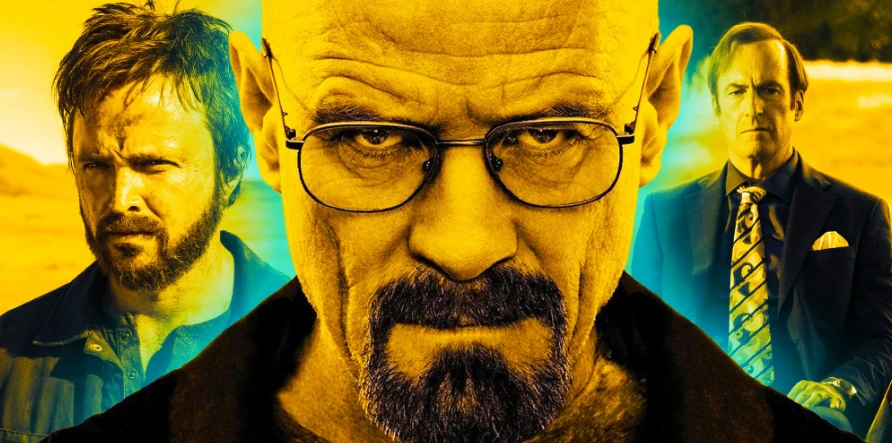
Then came Breaking Bad (2008–2013) and Mad Men (2007–2015)—two groundbreaking series that changed everything. Cinematography, direction, and the depth of themes became similar to film. Writers were not just creating dialogue; they were shaping modern tragedies and social critiques.
Jump ahead to the 2010s, and streaming platforms began pouring money into original content that matched anything on the big screen. Stranger Things, Black Mirror, and The Crown showed that television was no longer just a stepping stone for actors; it had become the main attraction.
Cinema Fights Back: Reinvention Through Risk
While TV was improving in quality, cinema was undergoing its own changes. Superhero franchises, led by Marvel’s Cinematic Universe, attracted huge crowds but also raised questions about the artistic value of modern films. Despite this, directors like Christopher Nolan, Denis Villeneuve, and Jordan Peele proved that ambitious filmmaking could exist alongside mainstream success.
Movies like:
- Inception (2010)
- Interstellar (2014)
- Get Out (2017)
- Dune (2021)
...not only filled theaters but also sparked discussion and analysis. Viewers began to think about film again—frame by frame, metaphor by metaphor.
The Blur Between Indie and Mainstream
Another key shift has been the merging of indie and mainstream styles. Everything Everywhere All At Once (2022) serves as a great example. It was quirky and low-budget, yet emotionally impactful, winning the Oscar for Best Picture. A film like this would not have thrived twenty years ago.
Platforms and websites that focus on curated, quality content have sprung up to fill this gap. Some, like Bahy Films, quietly showcase carefully chosen films and stories that resist algorithmic trends. These online spaces suggest and guide viewers toward meaningful films, not just those that are popular, but those that resonate.
The Globalization of Storytelling
Modern cinema and TV shows also extend beyond Hollywood. We are in a global film era. Korean cinema soared with Parasite (2019), Indian content like Sacred Games and RRR reached global audiences, and Arabic-language series like Al Hayba and Finding Ola caught the attention of viewers worldwide.
This cultural exchange has enriched storytelling. Subtitles are now seen as gateways rather than barriers. Websites that support regional film content have become vital for maintaining this diversity and connecting with audiences interested in alternatives to mainstream offerings.
How We Watch Has Changed Everything
We must acknowledge the impact of the screen itself. Over the last 20 years, our phones, laptops, and tablets have turned into cinemas. Binge-watching has become standard. Algorithms began to dictate our viewing choices. Although convenient, this has created an overwhelming amount of content—so much to watch and so little to remember.
This is why curated spaces are important. Whether it's a blog, a film review site, or a cinematic project like Bahy Films, these digital havens encourage viewers to slow down, rewatch, reflect, and rediscover the joy of well-made stories.
Final Thoughts
The last two decades have shown us that good storytelling will always find a way, whether through a billion-dollar blockbuster or a small indie film. As audiences, our role is no longer just to watch passively, but to explore, choose, and discuss.
Cinema is not dying. It's evolving. It's merging with TV, expanding globally, and adjusting to our viewing habits. Those who will succeed in this new landscape are the ones who know to look beyond the surface, to follow the threads, and sometimes find themselves.















![Top 13 American Documentary Movies [Revealed!]](/data/post/1766858/36f48eed6f119c26a3bb71c9.webp)
![Top 45 Comedy Movies of 2023 [Revealed!]](https://writeupcafe.com/data/post/1751692/9ce4f4e25570f5855cb48c9985329075.webp)
Sign in to leave a comment.