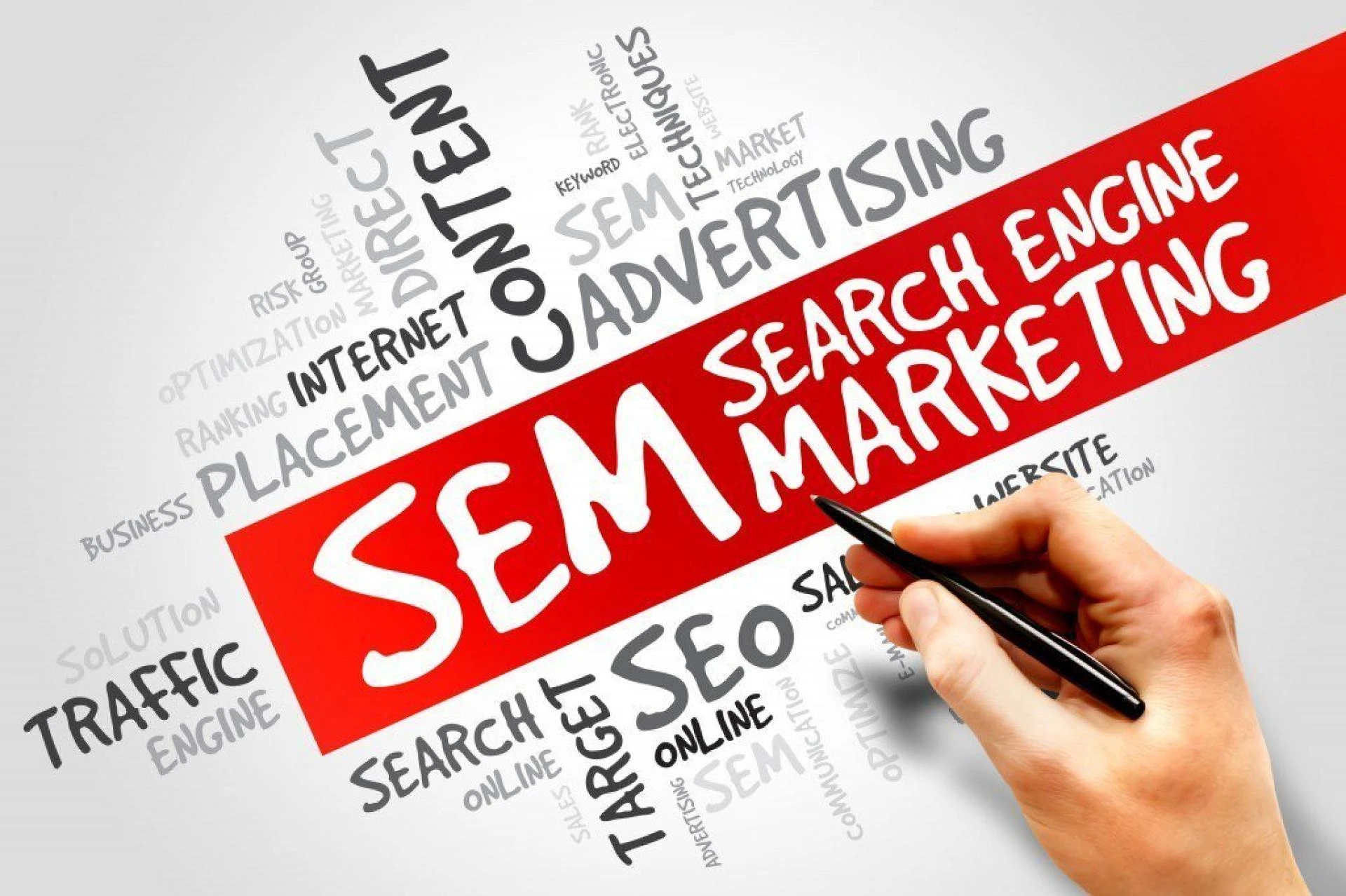

Welcome to the world of search engine marketing, where we explore the evolution of digital marketing strategies that have transformed over decades. In today\'s fast-paced digital age, businesses must keep up with changing trends and technologies to stay ahead of their competition.
Search engine marketing (SEM) has been integral to online advertising since its inception and is a significant player in the current market scenario. From traditional SEO practices to data-driven insights, this blog post delves into SEM services\' past, present, and future trends. Join us as we journey through time and discover how SEM has evolved into what it is today - a cornerstone of modern-day digital advertising!
What is Search Engine Marketing?
Search engine marketing (SEM) uses search engines to generate traffic and leads for a company or website. SEM has been around for over 20 years but has changed significantly. In this article, we\'ll look at the history of SEM, its present state, and future trends.
Search engine marketing began in earnest in the late 1990s as search engines became more widespread and companies began to realise their potential as digital marketing tools. At that time, most companies relied on paid advertising to promote their websites. However, ads could have been more effective at getting people to visit a site and buy products or services. SEM was seen as an effective way to get website traffic without paying for it upfront.
Initially, SEM consisted of organic search engine optimisation (SEO), which is still one of the most important aspects of SEM today. SEO is simply improving a site\'s rank on Google to appear higher in results when someone types in a particular query (such as "company name"). Optimising a site for specific keywords can increase your chances of being found by searchers looking for information about those keywords. This tactic can also attract visitors specifically interested in your product or service rather than just browsing the general website content.
The History of Search Engine Marketing
The history of search engine marketing services can be traced back to the early days of the internet. Back then, search engine optimisation (SEO) was primarily a manual process that involved website owners manually tweaking their content and metadata to make their website appear higher on search engine results pages (SERPs).
However, over time search engines became more sophisticated and started using algorithms to determine which websites should rank higher on SERPs. This process is still used today and is known as algorithmic ranking.
As Google and other major search engines became more popular, so did the demand for SEO services. Today, countless companies offer SEO services ranging in price and quality.
While many trends affect search engine marketing services, one thing remains constant – the need for effective online marketing strategies that help businesses grow online. Whether improving site architecture or developing innovative content marketing campaigns, SEO professionals have always been at the forefront of developing cutting-edge techniques that help businesses succeed in the digital age.
The Different Types of Search Engine Marketing Services
The different search engine marketing services can be broadly classified into three categories: paid search, organic search, and link building. Paid search is the most well-known type of search engine marketing service because it is often associated with advertising on the top of the SERP. Paid search engines bid on keywords to show their ads to as many people as possible. This marketing service is usually more expensive than other types, but it can succeed if used correctly.
Organic search refers to ranking a website higher in Google\'s results pages based on its content rather than paid advertising. Sites that rank high in organic searches are typically more authoritative and have better content than sites that rank highly through paid advertising. Organic traffic is not necessarily more valuable than other forms of traffic, but it tends to be more reliable because ad campaigns do not influence it.
Link building attracts backlinks from other websites to increase a website\'s visibility and ranking within Google. Sites that generate a lot of links from high-quality sources rank higher on Google\'s results pages. Link building can be done through paid or unpaid methods, but it is generally more expensive than paid advertising.
How Does Google Play a Role in the Evolution of Search Engine Marketing Services?
Google has long been the king of search, commanding a massive online search market share. As you might expect, this gave them an advantage in developing and marketing their search engine marketing services. But even Google needs to catch up with the ever-changing competitive landscape.
Today, there are dozens of competing search engines (and new contenders all the time), making it increasingly difficult for any one company to dominate the market like they used to. This is where SEO companies come in: They help brands achieve better rankings on competing search engines by optimising their websites for those engines.
As you can imagine, this is a highly competitive field. Many SEO companies employ cutting-edge techniques that could land them in trouble with Google if the Mountain View giants discovered them. Thankfully, most SEO professionals are savvy enough to avoid such problems.
In conclusion, Google\'s once-dominant position in the search engine market has given them a lot of experience developing and marketing their services. However, today\'s competitive landscape makes it difficult for any company to monopolise this area of online marketing. This is where SEO companies come into play: They help brands get better rankings on competing search engines by optimising their websites for those engines.
What Are the Future Trends for Search Engine Marketing?
Over the past few years, search engine marketing (SEM) has dramatically changed its landscape. With the advent of social media and an increased focus on customer experience, SEM professionals can now generate more leads and interact with their customers in a more personal way.
In this article, we will look at future trends for SEM services and how they will impact businesses. We will explore organic search engine optimisation (SEO), paid search, display advertising, and mobile marketing strategies. By understanding these trends, businesses can make informed decisions about their SEM strategy and remain competitive in today\'s market.
Some key future trends for SEM include:
- Increased focus on customer experience: As social media becomes increasingly influential and customers are more likely to interact with brands through online channels, SEM professionals must ensure that their campaigns meet or exceed customer expectations. This means creating informative, entertaining content and addressing any questions or concerns that customers may have. It also means providing support after the purchase, whether resolving an issue or offering recommendations for future purchases.
- The rise of mobile marketing: To stay ahead of this trend, SEM professionals should consider developing mobile-friendly campaigns targeting consumers on the go. There are many ways to do this, such as developing mobile-optimised websites and apps, using social media platforms to drive engagement, and creating engaging content optimised for mobile devices.
- The impact of artificial intelligence (AI): As AI becomes more advanced, it will significantly impact SEM campaigns. For example, AI can help identify target keywords and create ad copy that is more likely to be clicked. Additionally, AI can help automate some of the most time-consuming SEM-related tasks, such as keyword research and ad targeting.
- The rise of paid search: Paid search is becoming an increasingly important part of SEM campaigns.
- The impact of Google Penguin: Google Penguin was introduced in 2012 to improve the quality of search results. Over time, this has created an increased focus on SEO – optimising a website for better placement in search engine results in pages. As a result, SEM professionals must ensure that their campaigns are optimised for SEO purposes to remain competitive.
By understanding these trends, businesses can make informed decisions about their SEM strategy and remain competitive in today\'s market.
Conclusion
Search engine marketing services have come a long way since the early days of online advertising. These days, many different types of search engine marketing (SEM) services are available to help businesses achieve their desired results.
While some aspects of SEM have remained relatively constant over the years, others have evolved drastically. In this article, we look at some key trends that suggest SEM will continue to evolve in exciting and unexpected ways. So whether you want to increase brand visibility or drive more website visitors through your funnel, stay ahead of the curve by consulting with an experienced SEM professional today!


























Sign in to leave a comment.