
Since the early days of the World Wide Web, web design has undergone a remarkable evolution, driven by technological advancements, changing user behaviors, and shifting design aesthetics. In this blog post, we'll explore the evolution of web design, highlighting key trends and innovations that have shaped the digital landscape.
From Text-Only to Multimedia:
In the early days of the web, websites were primarily text-based, with limited graphics and minimal interactivity. However, advancements in technology, such as the introduction of HTML5 and CSS3, enabled the integration of multimedia elements, including images, videos, and animations. This shift towards multimedia-rich content transformed the visual appeal and user experience of websites, making them more engaging and interactive.
Responsive Design:
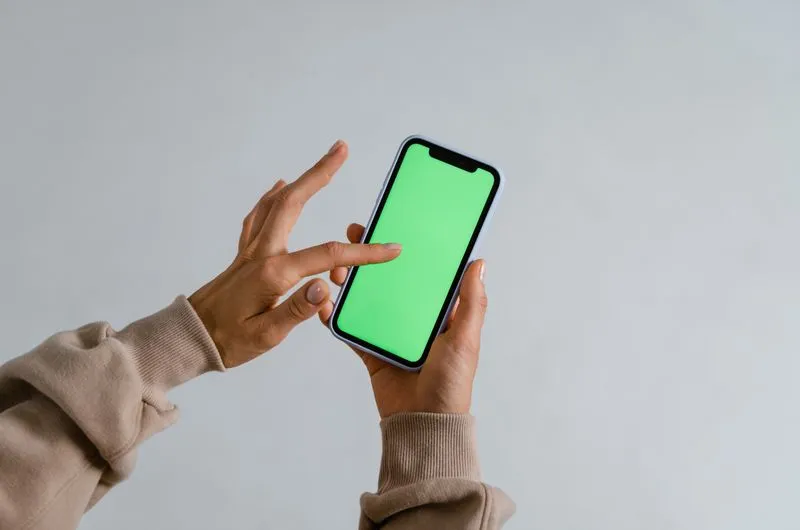
With the proliferation of mobile devices, responsive design emerged as a critical trend in web design. Responsive design ensures that websites adapt seamlessly to different screen sizes and resolutions, providing a consistent user experience across desktops, tablets, and smartphones. By prioritizing mobile responsiveness, designers cater to the growing number of users accessing the web on mobile devices and improve accessibility for all users.
Flat Design and Minimalism:
Flat design, characterized by clean lines, simple shapes, and vibrant colors, emerged as a popular design trend in the early 2010s. Inspired by minimalist principles, flat design focuses on clarity and simplicity, eliminating unnecessary ornamentation and enhancing usability. This design approach prioritizes intuitive navigation, readability, and visual hierarchy, resulting in sleek and modern-looking websites.
Parallax Scrolling and Scroll-Based Interactions:
Parallax scrolling, a technique that creates a sense of depth by moving foreground and background elements at different speeds, gained popularity as a way to add visual interest and storytelling to websites. Scroll-based interactions, such as animated transitions and interactive effects triggered by scrolling, further enhance user engagement and create immersive experiences.
Microinteractions and User Engagement:
Microinteractions, subtle animations and feedback loops triggered by user actions, play a crucial role in enhancing user engagement and delighting visitors. From hover effects and button animations to loading indicators and form validations, microinteractions add personality and interactivity to websites, making them more enjoyable and intuitive to use.
Typography as Design Element:
Typography has evolved from a functional element to a prominent design feature in modern web design. Designers experiment with a wide range of fonts, sizes, weights, and styles to create visually striking typography compositions that capture attention and communicate brand personality. Custom fonts, variable fonts, and creative typography pairings are commonly used to create unique and memorable website designs.
Dark Mode and Accessibility:
Dark mode, a color scheme that displays light text on a dark background, has gained popularity as a design trend in recent years. Apart from its aesthetic appeal, dark mode offers benefits such as reduced eye strain, improved visibility in low-light environments, and enhanced battery life on OLED displays. Moreover, dark mode enhances accessibility by providing users with visual impairments or light sensitivity with a more comfortable browsing experience.
Augmented Reality (AR) and Immersive Experiences:
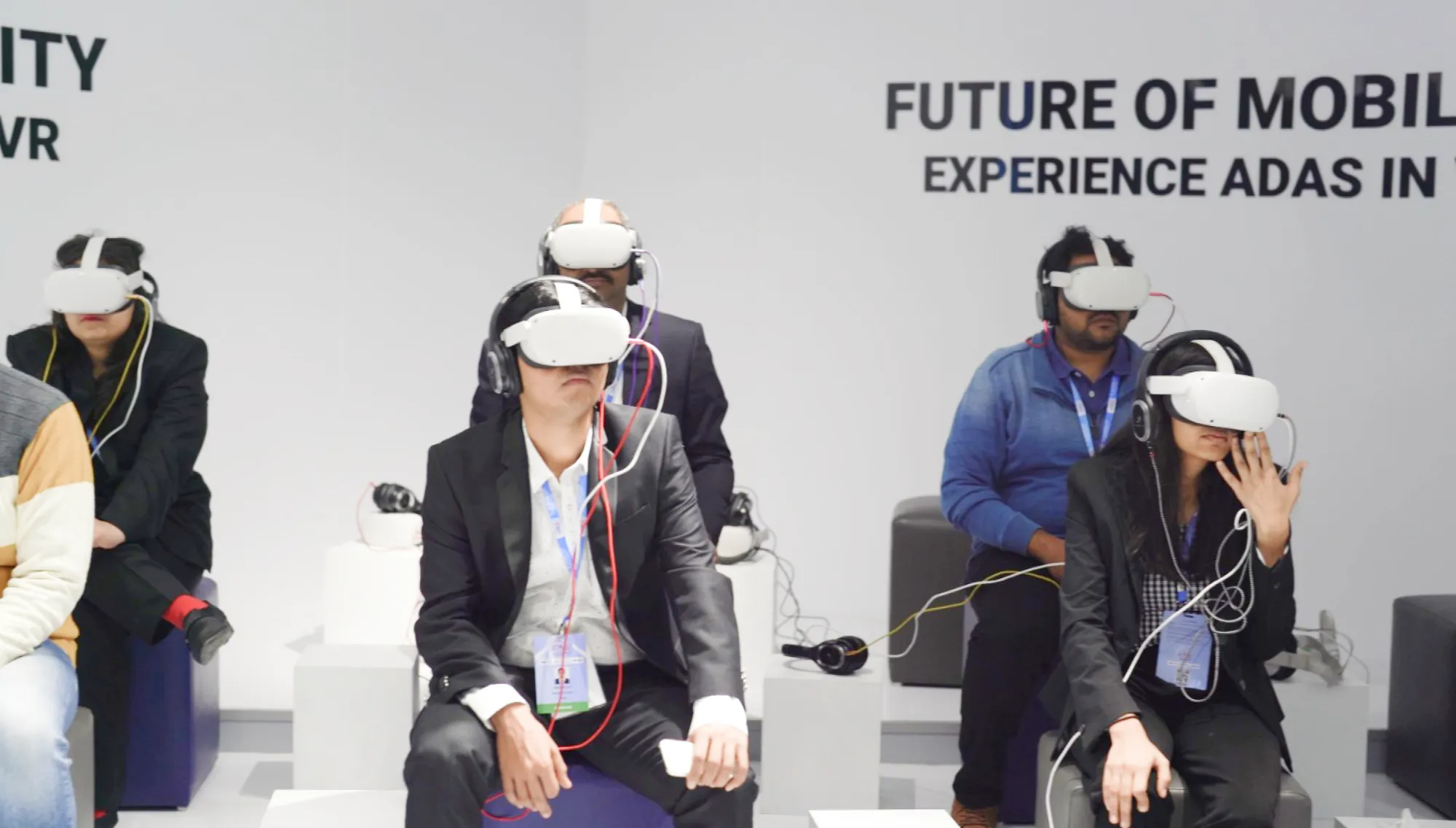
As technology continues to advance, web designers are exploring new possibilities for immersive experiences using augmented reality (AR) and virtual reality (VR). By integrating AR elements, such as 3D models and interactive overlays, into websites, designers create engaging and interactive experiences that blur the lines between the digital and physical worlds.
Conclusion:
The evolution of web design reflects the dynamic nature of the digital landscape, with trends and innovations continuously shaping the way we interact with the web. From text-only websites to multimedia-rich experiences, responsive design, flat design, parallax scrolling, microinteractions, typography, dark mode, and emerging technologies like AR and VR, web design continues to evolve to meet the changing needs and expectations of users. By staying abreast of these trends and embracing innovation, designers can create memorable and impactful web experiences that captivate audiences and drive success.
Also Read: Multiple Website Management Easy with WordPress Multisite by bitcot























Sign in to leave a comment.