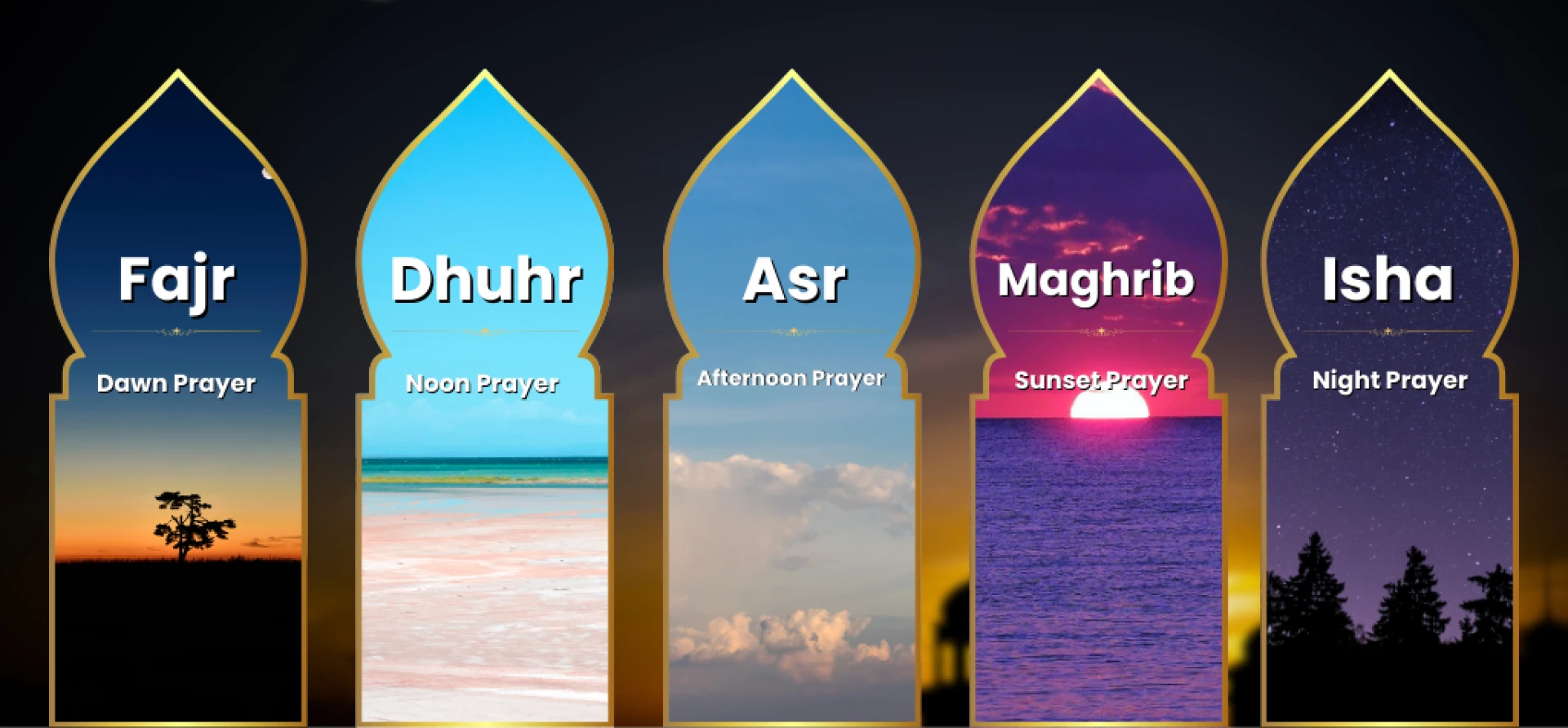

Prayer, known as Salah in Arabic, is one of the five pillars of Islam and serves as a direct connection between a Muslim and Allah. Muslims perform five daily prayers at prescribed times, determined by the position of the sun. These five prayers—Fajr, Zuhr, Asar, Maghrib, and Isha—each hold spiritual and practical significance in a believer’s life.
The Importance of Observing Prayer Times
Each of the five daily prayers plays a crucial role in a Muslim’s life, fostering discipline, spiritual growth, and a sense of connection with Allah. Observing these prayers at their designated times is an act of obedience, faith, and gratitude.
In modern times, many tools, such as mobile applications and mosque announcements, help Muslims keep track of prayer times accurately. By prioritizing these daily prayers, believers cultivate a structured and fulfilling routine that nourishes both the soul and mind.
Maintaining Fajr, Zuhr, Asar, Maghrib, and Isha prayers ensures a continuous spiritual connection, bringing peace, blessings, and purpose to everyday life.
Fajr Prayer: The Beginning of a New Day
Fajr is the first prayer of the day and is performed before sunrise. The Fajr time starts at the break of dawn and lasts until just before the sun rises. This prayer consists of two obligatory Rak’ahs (units) and is often accompanied by additional Sunnah prayers for extra reward.
The Fajr prayer is significant as it marks the start of a new day with devotion and gratitude. It is believed that praying at this time brings blessings, clarity of mind, and spiritual strength.
Zuhr Prayer: A Pause for Reflection
Zuhr prayer is performed in the early afternoon, after the sun has passed its zenith. It consists of four obligatory Rak’ahs, along with optional Sunnah prayers.
Zuhr time provides an opportunity to pause during the middle of a busy day, offering a moment of peace and reflection. It serves as a reminder to maintain a balance between worldly responsibilities and spiritual well-being.
Asar Prayer: Strengthening Patience and Discipline
The Asar prayer is performed in the late afternoon, before sunset. Its time begins when the shadow of an object is equal to its actual length and lasts until just before Maghrib.
Asar consists of four obligatory Rak’ahs and is a vital prayer in a Muslim’s daily routine. It is often regarded as a test of commitment, as it falls during working hours or personal engagements. Observing Asar prayer time strengthens discipline, patience, and dedication to faith.
Maghrib Prayer: Gratitude at Sunset
Maghrib is performed immediately after sunset. The time for this prayer lasts until the twilight disappears from the sky. It consists of three obligatory Rak’ahs, accompanied by additional Sunnah and Nafl prayers.
Maghrib signifies gratitude for the blessings of the day and prepares the believer for the evening. It marks a spiritual transition from the activities of the day to a time of reflection and rest.
Isha Prayer: Seeking Peace Before Rest
Isha is the final prayer of the day, performed at night. It begins when the last traces of twilight disappear and lasts until midnight or just before Fajr.
Isha consists of four obligatory Rak’ahs, followed by optional Sunnah, Nafl, and Witr prayers. It is a time to seek peace, forgiveness, and guidance before resting for the night. This prayer allows a believer to end the day with devotion and mindfulness.



























Sign in to leave a comment.