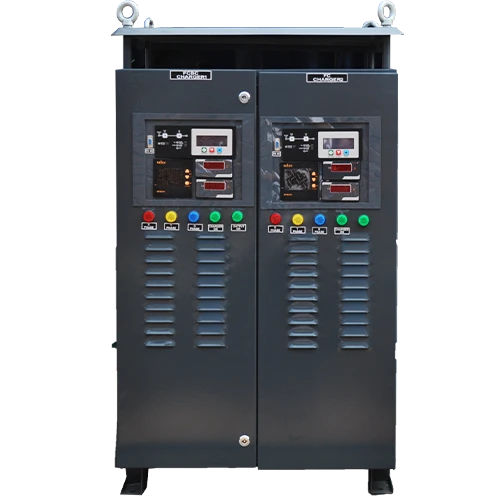

Lithium-ion batteries are one of the most popular types of rechargeable batteries used in various electronic devices, renewable energy systems, and electric vehicles. However, to ensure the longevity and performance of Lithium-ion batteries, it is essential to understand the fundamentals of battery charging, including voltage, current, and temperature considerations.
Here we will look into these factors and how they affect Lithium-ion battery charging.
Voltage Considerations: The voltage is one of the most critical factors to consider when charging Lithium-ion batteries. Charging a Lithium-ion battery involves increasing the voltage of the battery until it reaches its maximum capacity. However, overcharging the battery can lead to irreversible damage, such as reduced capacity and increased risk of fire or explosion.To prevent overcharging, Lithium-ion batteries require a constant voltage charger or a charger with a voltage regulator that automatically reduces the voltage when the battery is fully charged. The voltage regulator also ensures that the voltage is within the safe operating range, preventing the battery from being overcharged or undercharged.
Current Considerations: The current is another important factor to consider when charging Lithium-ion batteries. The current determines how quickly the battery charges and how much energy it can store. However, high currents can lead to increased internal resistance and temperature, which can degrade the battery's performance and lifespan.To optimize battery life, Lithium-ion batteries require a charger that can deliver a constant current while monitoring the battery's state of charge. This helps to prevent overcharging, which can damage the battery, and undercharging, which can reduce the battery's capacity.
Temperature Considerations: Temperature is a critical factor that affects the performance and lifespan of Lithium-ion batteries during charging. High temperatures can increase the rate of chemical reactions in the battery, leading to accelerated aging and degradation. On the other hand, low temperatures can decrease the rate of chemical reactions, leading to slower charging times and reduced capacity.To ensure the optimal performance and longevity of Lithium-ion batteries, it is essential to maintain a moderate temperature during charging. Ideally, Lithium-ion batteries should be charged at temperatures between 0°C and 45°C (32°F and 113°F). If the battery temperature exceeds this range, the charger should automatically adjust the charging current and voltage to prevent damage to the battery.
Conclusion
Lithium-ion battery charging is a complex process that requires careful consideration of various factors, including voltage, current, and temperature. To ensure the optimal performance and longevity of Lithium-ion batteries, it is essential to use a charger that can deliver a constant current and voltage while monitoring the battery's state of charge and temperature. By following these guidelines, you can help prolong the life of your Lithium-ion batteries and ensure they operate safely and efficiently.
Looking for the best Lithium-ion battery manufacturer in India? Look no further! Our company is dedicated to producing high-quality, long-lasting Lithium-ion batteries for various applications, including consumer electronics, renewable energy systems, and electric vehicles. We use advanced technology and rigorous quality control measures to ensure that our batteries meet the highest industry standards for safety, performance, and reliability.
Whether you need custom battery designs, bulk orders, or technical support, our team of experts is here to help. We pride ourselves on providing excellent customer service and support, and we are committed to helping our customers find the best solutions for their energy storage needs.
So if you're looking for a reliable Lithium-ion battery manufacturer in India, look no further than Enertech UPS Pvt Ltd. Contact us today to learn more about our products and services, and see how we can help you power your business with confidence and sustainability.











Sign in to leave a comment.