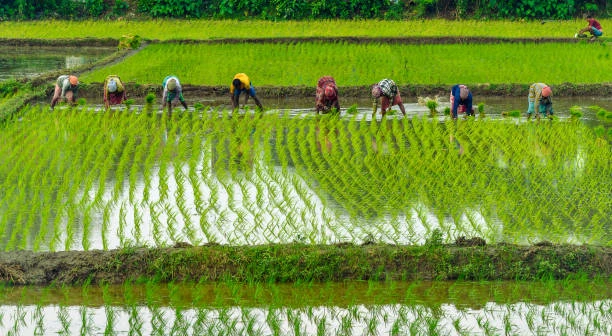
Agriculture and farming have always been the backbone of human civilization. From ancient farming tools to modern smart tractors, the journey of agriculture reflects human innovation and resilience. Today, agriculture is not just about growing crops and raising livestock; it is a dynamic industry powered by technology, sustainability practices, and global trade. As the world population continues to grow, the demand for food production increases, making modern agriculture more important than ever.
The Evolution of Modern Farming
Traditional farming relied heavily on manual labor, seasonal rainfall, and basic tools. However, modern agriculture has embraced advanced machinery, irrigation systems, and data-driven techniques. Mechanization has significantly improved productivity, allowing farmers to cultivate larger areas of land efficiently. Tractors, harvesters, and automated planting machines have reduced manual effort while increasing output.
Precision farming is another revolutionary development. Using GPS technology, soil sensors, and satellite imagery, farmers can monitor crop health, soil moisture, and nutrient levels in real time. This approach helps optimize resource use, reduce waste, and increase yields. By applying fertilizers and water only where needed, farmers save costs and protect the environment.
The Role of Technology in Agriculture
Technology has become a game-changer in agriculture. Smart farming tools, drones, and artificial intelligence are transforming how farmers manage their fields. Drones are used for crop monitoring, spraying pesticides, and assessing plant health. AI-powered systems analyze weather patterns and predict crop diseases, enabling farmers to take preventive action.
Mobile apps and digital platforms also provide farmers with access to market prices, weather forecasts, and expert advice. This information empowers them to make informed decisions and improve profitability. Additionally, automated irrigation systems ensure that crops receive the right amount of water, reducing both waste and costs.
Sustainable Farming Practices
Sustainability is at the heart of modern agriculture. With climate change and environmental degradation posing serious threats, farmers are adopting eco-friendly practices to protect natural resources. Organic farming, crop rotation, and integrated pest management are gaining popularity worldwide.
Organic farming avoids synthetic fertilizers and pesticides, promoting healthier soil and safer food. Crop rotation improves soil fertility and reduces the risk of pests and diseases. Conservation agriculture, which includes minimal soil disturbance and permanent soil cover, helps prevent soil erosion and enhances long-term productivity.
Water conservation is also critical. Techniques like drip irrigation and rainwater harvesting help farmers manage water efficiently, especially in drought-prone regions. Sustainable farming not only benefits the environment but also ensures long-term food security.
Challenges Facing Agriculture
Despite technological advancements, agriculture faces several challenges. Climate change has led to unpredictable weather patterns, affecting crop yields. Droughts, floods, and extreme temperatures pose significant risks to farmers worldwide.
Rising input costs, including seeds, fertilizers, and fuel, can reduce profit margins. Small-scale farmers, in particular, struggle with limited access to credit, technology, and markets. Additionally, labor shortages in rural areas have created difficulties in maintaining large farms.
To overcome these challenges, governments and organizations are investing in agricultural research, farmer training programs, and financial support systems. Encouraging young people to enter the farming sector is also essential for the industry’s future growth.
The Importance of Agribusiness
Agriculture is no longer limited to cultivation alone; it has expanded into agribusiness, encompassing food processing, packaging, distribution, and export. Agribusiness plays a vital role in boosting rural economies and creating employment opportunities.
Value-added products, such as processed foods and organic produce, offer higher profit potential for farmers. By adopting modern marketing strategies and exploring global markets, farmers and agribusiness owners can significantly increase their income.
The Future of Agriculture
The future of agriculture lies in innovation and collaboration. Smart farming technologies, sustainable practices, and improved supply chains will continue to shape the industry. Urban farming, vertical farming, and hydroponics are emerging trends that aim to maximize production in limited spaces.
As global food demand rises, the need for efficient, environmentally friendly farming methods becomes even more critical. By embracing innovation and sustainability, agriculture can meet the needs of future generations while preserving the planet.
For more insights, industry updates, and opportunities to promote your agricultural business, visit www.ibpub.com and List Your Business today.
































Sign in to leave a comment.