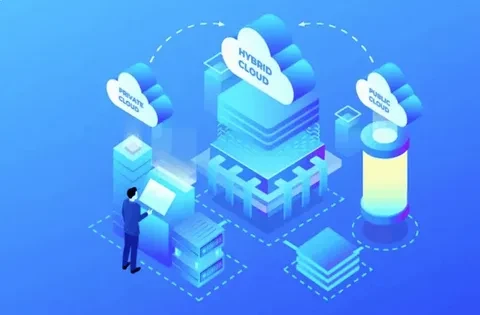

The technological landscape is constantly evolving, and one of the most significant transformations in recent years has been the advent of cloud computing. Cloud technology has revolutionized how businesses store, manage, and access data, applications, and services. As cloud computing continues to mature, an innovative approach that is gaining traction is the Hybrid Cloud Model. In this article, we will explore the concept of hybrid cloud computing, its benefits, challenges, and how businesses can embrace this model to thrive in the ever-evolving digital world.
1. Introduction
Cloud computing, in its essence, involves the delivery of various computing services over the internet. These services can include storage, databases, networking, software, analytics, and more. The flexibility, scalability, and cost-efficiency offered by cloud solutions have made them immensely popular across industries. However, as technology advances, businesses seek even more tailored solutions to meet their specific needs.
2. Understanding Cloud Computing
Before delving into the future of cloud computing, it's essential to understand its fundamental principles. Cloud computing primarily operates through three models: public cloud, private cloud, and hybrid cloud.
Public Cloud: Services are provided over the internet by third-party cloud service providers and shared among multiple users. It offers scalability and cost savings but might lack the customization some businesses require.Private Cloud: Operated solely for a single organization, providing greater control over data and security. It can be hosted internally or by a third-party provider.Hybrid Cloud: As the name suggests, this model combines elements of both public and private clouds. Businesses can leverage the benefits of both worlds, tailoring their solutions to optimize performance and meet specific needs.3. The Rise of Hybrid Cloud
- Definition and Concept
The hybrid cloud combines on-premises infrastructure, private cloud services, and public cloud services to create a unified and flexible environment. By seamlessly integrating multiple cloud solutions, businesses can enjoy the advantages of each without being bound to a single cloud provider.
- Benefits of Hybrid Cloud Model
The adoption of the hybrid cloud model has several significant advantages:
Flexibility: Businesses can move workloads between private and public clouds based on performance, security, and compliance requirements.
Scalability: The ability to scale resources up or down as needed allows for cost optimization and ensures seamless operations during peak periods.
Security: Sensitive data can be stored on the private cloud, while non-sensitive data can be stored on the public cloud, enhancing data protection.
Cost Efficiency: Hybrid cloud allows businesses to avoid overprovisioning resources and pay only for the computing power and storage they actually need.
4. Challenges and Concerns
While the hybrid cloud model offers numerous benefits, it also presents some challenges and concerns that businesses must address:
- Security and Compliance
Integrating different cloud environments and ensuring data security can be complex. Businesses must implement robust security measures to protect sensitive information.
- Integration Complexities
Bringing together various cloud platforms and on-premises systems requires careful planning and execution to ensure smooth data flow and compatibility.
- Cost Considerations
Although hybrid cloud can be cost-effective in the long run, initial migration and integration costs can be substantial for some organizations.
5. Embracing the Hybrid Cloud
To fully embrace the hybrid cloud model, businesses should consider the following best practices:
- Best Practices for Migration
Thoroughly assess the existing infrastructure and identify which workloads are best suited for the public cloud and which are better kept in the private cloud.
- Choosing the Right Cloud Service Providers
Selecting reputable and reliable cloud service providers is crucial for ensuring data security, seamless integration, and excellent performance.
6. Success Stories of Hybrid Cloud Adoption
Several leading companies have already embraced the hybrid cloud model with remarkable success. For example...
7. The Future of Cloud Computing
As we move into the future, the hybrid cloud model is expected to play a pivotal role in shaping the cloud computing landscape. The following trends are likely to emerge:
- Growth and Expansion of Hybrid Cloud
The hybrid cloud model will continue to gain traction as more businesses recognize its potential for flexibility, cost savings, and improved performance.
- Evolving Technologies and Trends
Advancements in edge computing, artificial intelligence, and data analytics will further enhance the capabilities of the hybrid cloud model.
8. Conclusion
The hybrid cloud model represents the future of cloud computing, offering businesses the best of both worlds in terms of flexibility, scalability, and cost efficiency. By addressing the challenges and embracing the opportunities presented by the hybrid cloud, businesses can position themselves for success in the rapidly evolving digital landscape.

























Sign in to leave a comment.