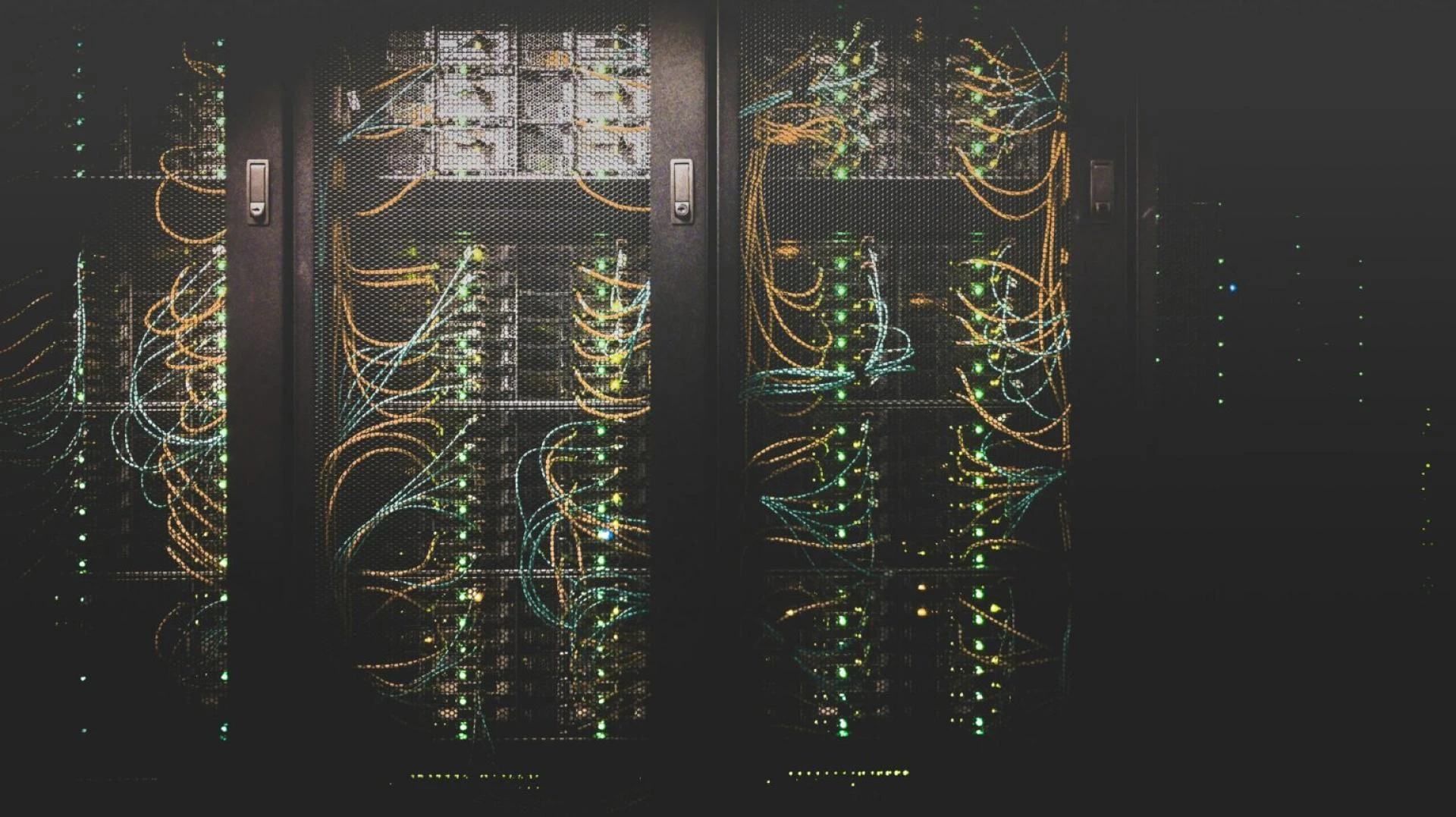

As the digital economy accelerates, data centres are becoming the silent engines powering everything from cloud-based collaboration to real-time analytics. But to keep pace with rising demands, data centre engineering must evolve, ushering in a wave of innovation that enhances reliability, efficiency, and scalability. Whether you’re a CTO planning your next upgrade or a project manager managing digital transformation, staying ahead of trends in data centre solutions is vital.
In this blog, we’ll explore the future of data centre infrastructure, spotlight key innovations, and answer commonly asked questions to help businesses make smarter IT decisions.
Why Is Modern Data Centre Engineering So Critical?
Data centres are no longer just rooms full of servers, they’re strategic assets. A modern data centre solution is designed to:
- Handle exponential data growth
- Support hybrid and remote workforces
- Enable real-time decision-making
- Improve energy efficiency and sustainability
- Ensure uptime for critical services
For enterprise-scale organisations, a failure in data centre performance can mean massive disruptions, especially when dealing with multisite rollouts or remote workforce infrastructure.
What Innovations Are Driving the Future of Data Centre Solutions?
1. Edge Computing Integration
As more businesses decentralise, the demand for edge data centres is growing. Edge computing brings data processing closer to the source (like IoT devices or branch offices), reducing latency and boosting speed.
By engineering micro data centres in strategic locations, businesses can optimise local performance while lightening the load on their core facilities.
2. AI & Machine Learning for Monitoring and Efficiency
AI is no longer a buzzword, it’s reshaping data centre management. Smart systems powered by AI can:
- Predict server failures before they happen
- Optimise cooling and power usage in real time
- Automate load balancing across virtual servers
This not only reduces manual intervention but significantly lowers operational costs.
3. Liquid Cooling Technologies
With increasing power density, traditional air cooling systems are reaching their limits. Liquid cooling is emerging as a game-changer for thermal management, offering greater efficiency with smaller environmental impact.
4. Modular and Scalable Infrastructure
Future-ready data centre infrastructure needs to be adaptable. Modular engineering enables businesses to scale capacity up or down as needed, perfect for rapidly growing startups and evolving enterprises alike.
Commonly Asked Questions About Data Centre Solutions
What is the difference between a traditional and a modern data centre?
Traditional data centres were typically on-premises, hardware-heavy, and manually managed. Modern data centre solutions incorporate cloud integration, automation, and flexible infrastructure to support evolving business needs.
How can businesses reduce downtime?
Using solutions like Uninterruptible Power Supplies (UPS), redundancy in cabling, and real-time monitoring systems can drastically cut down the risk of downtime. Fast Track Communications, for example, has delivered seamless cabling and power solutions for telecentres and medical facilities to ensure uninterrupted connectivity.
What are the sustainability trends in data centre infrastructure?
Green data centres are prioritising:
- Renewable energy sources (solar, wind)
- Efficient power distribution units (PDUs)
- AI-optimised cooling systems
- Lower PUE (Power Usage Effectiveness) scores
These steps reduce both costs and environmental impact.
Why Businesses Are Rethinking Their Data Centre Infrastructure in 2026
The rapid rise of hybrid workplaces, high-resolution video conferencing, cloud applications, and cybersecurity demands has pushed data centre engineering into a new era.
Senior IT leaders from CIOs to Facilities Managers are now tasked with implementing infrastructure that is:
- Resilient: Handles peak traffic without performance drops
- Scalable: Grows with the organisation
- Secure: Built with encryption, firewalls, and physical access control
- Remote-friendly: Supports remote monitoring and hybrid collaboration
This shift is especially relevant to organisations with multiple branches, such as banks, healthcare providers, or national franchise networks.
Case in Point: The Value of Tailored Data Centre Solutions
Every business is unique. That’s why the most effective data centre solutions aren’t one-size-fits-all. For example:
- A call centre might prioritise 24/7 uptime and robust UPS systems.
- A startup may need scalable infrastructure that supports rapid team growth and cloud platforms.
- An education provider may require secure, high-bandwidth access for AV conferencing and digital learning.
Tailored infrastructure ensures performance aligns with business needs now and into the future.
What to Look For in a Data Centre Engineering Partner
Not all providers are equal. Here’s what to prioritise when choosing a data centre partner:
- Experience with large-scale rollouts
- Certified technicians and structured cabling expertise
- End-to-end services—from consultation to installation
- Transparent and scalable project management
- Commitment to sustainability and long-term efficiency
Final Thoughts
The future of data centre engineering is defined by flexibility, intelligence, and sustainability. Businesses that invest in forward-thinking data centre solutions will benefit from greater operational agility, lower costs, and stronger digital resilience.
Whether you’re upgrading existing infrastructure or building from the ground up, aligning your data centre strategy with these emerging trends is a strategic move that will empower your organisation for years to come.

























Sign in to leave a comment.