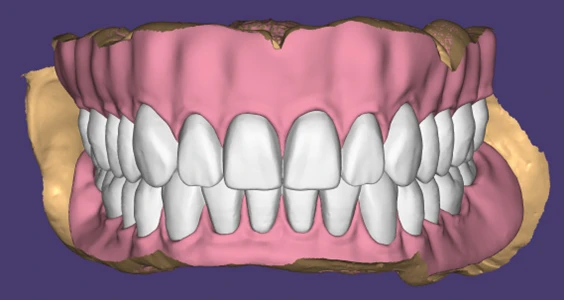
For decades, denture design has relied on traditional methods involving manual impressions, wax try-ins, and extensive laboratory work. While these methods have served millions, they come with their fair share of challenges—longer turnaround times, inconsistencies, and discomfort during fittings. However, with the rise of digital technology, digital denture design is revolutionizing the industry, providing patients with faster, more accurate, and more comfortable solutions.
The Evolution of Denture Design
Traditional denture design is an intricate process requiring skilled technicians to handcraft each prosthetic piece. From taking impressions to fine-tuning occlusion, every step requires manual intervention, which can lead to variations in fit and function. Moreover, adjustments and remakes often extend the treatment timeline, adding inconvenience for both patients and dental professionals.
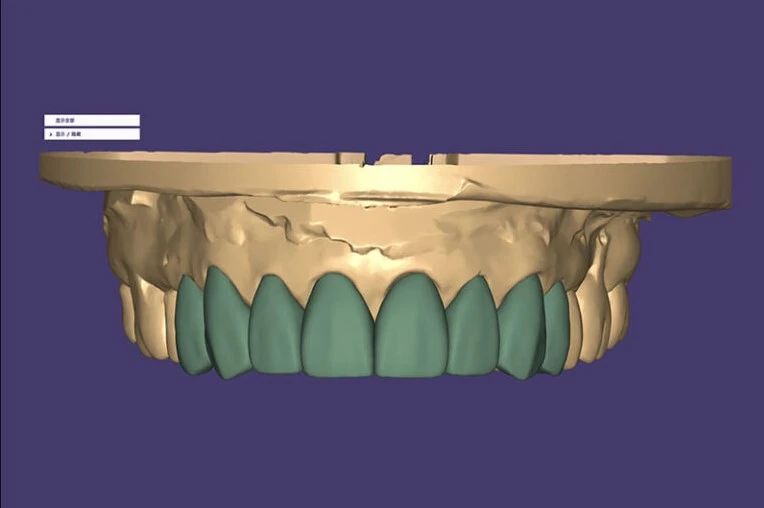
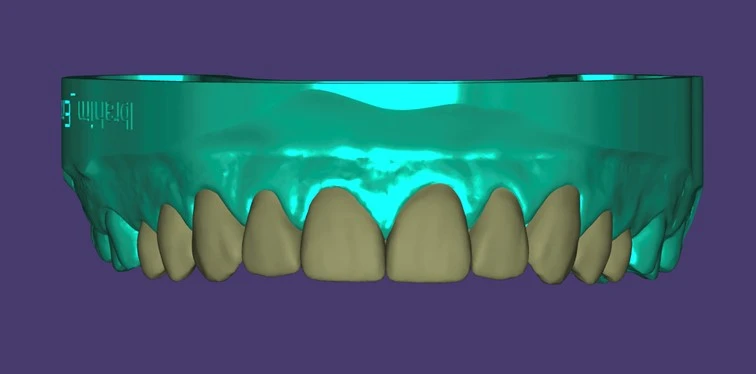
Enter digital denture design—a game-changer in the field of prosthetic dentistry. By integrating computer-aided design (CAD) and computer-aided manufacturing (CAM), digital workflows eliminate much of the guesswork, ensuring precision and efficiency like never before.
Benefits of Digital Denture Design
1. Precision and Accuracy
Digital impressions capture exact details of the patient’s oral structure, eliminating errors commonly found in traditional molds. This leads to a better fit, reducing the need for adjustments.
2. Faster Turnaround Time
Traditional dentures can take weeks to fabricate, whereas digital dentures significantly cut production time. With CAD/CAM technology, a set of dentures can be designed, adjusted, and produced in just a few appointments.
3. Enhanced Comfort for Patients
The digital workflow minimizes the need for multiple impressions, reducing discomfort for patients. Additionally, because the fit is more precise, wearers experience greater comfort and functionality.
4. Consistency and Predictability
Unlike conventional techniques that rely on manual craftsmanship, digital workflows ensure each denture is crafted to exact specifications, reducing inconsistencies.
5. Easy Reproduction and Backup
Since digital dentures are stored as 3D files, replacements or modifications can be made quickly without starting from scratch. This is a significant advantage for patients who may need a new set years later due to wear and tear.
The Future of Digital Dentures
The advancements in digital denture technology are only getting better. With the integration of AI, 3D printing, and machine learning, the future promises even more streamlined processes, greater customization, and improved patient experiences. Dental professionals worldwide are embracing digital workflows, ensuring that patients receive the highest quality prosthetics in the most efficient manner.
Conclusion
As dentistry continues to evolve, digital denture design is at the forefront of innovation, offering unmatched precision, speed, and comfort. Whether you're a patient looking for a seamless denture solution or a dental professional seeking to upgrade your practice, embracing digital technology is the way forward.
For cutting-edge digital denture solutions that prioritize accuracy and patient satisfaction, Smart Dental CAD Studio is your trusted partner in modern prosthetic dentistry.






















Sign in to leave a comment.