
1. Collaboration
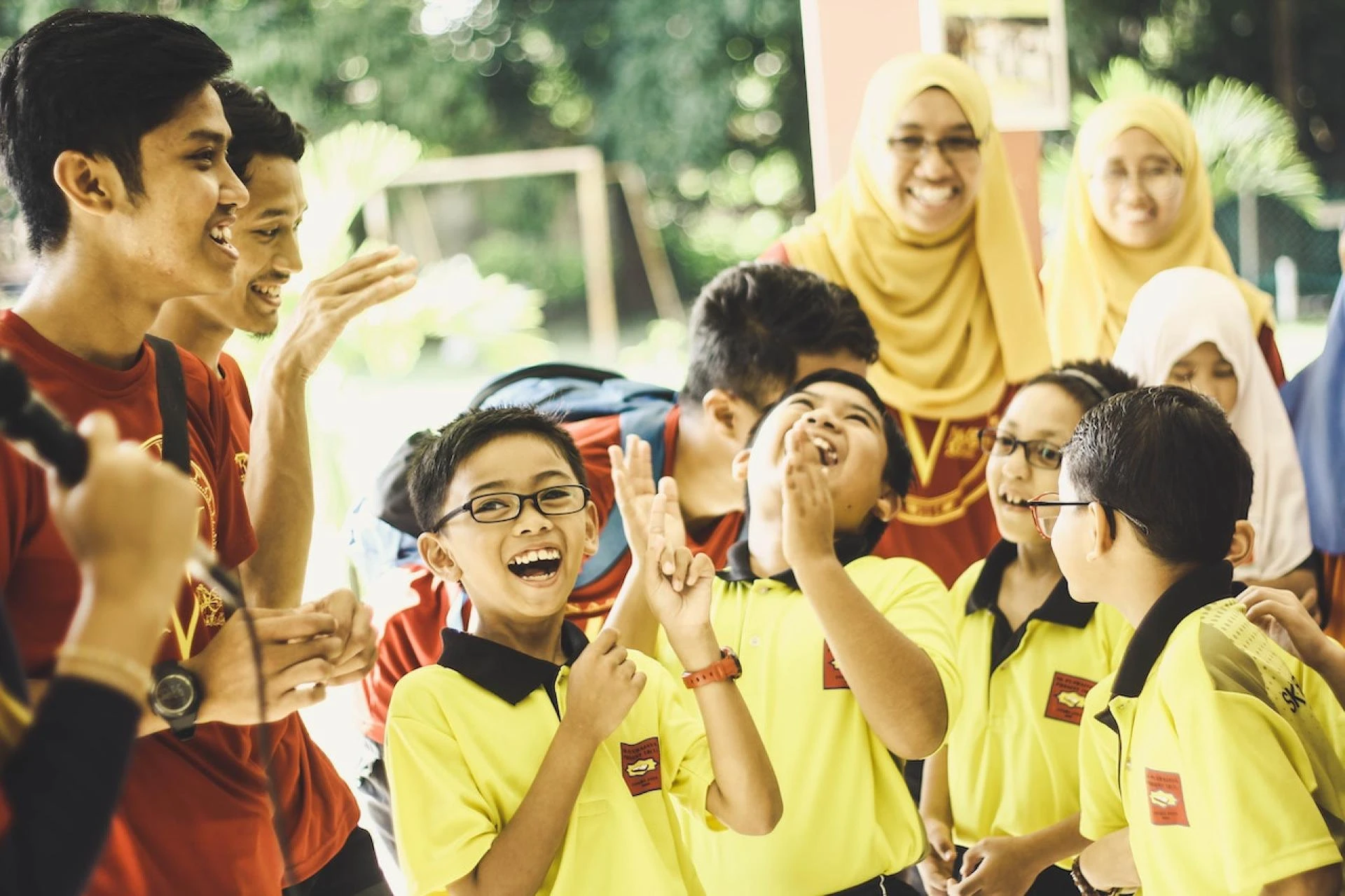
The traditional concept of a teacher standing in front of a classroom where students passively listen and follow instructions is gradually becoming outdated. Instead, there is a noticeable trend toward student-centered learning spaces that extend beyond the traditional classroom environment. This shift involves students actively participating as partners or co-creators in their own learning journey. The opportunities for collaboration, communication, and teamwork among students are expanding beyond the physical boundaries of the classroom. It is imperative to encourage and support these collaborative experiences, and our classrooms should reflect this evolving educational approach. Classroom designs will be focused on facilitating collaboration, enabling individuals, small groups, or larger groups to work together on various learning projects. Furthermore, classrooms will embrace both physical and online platforms, completely transforming the current teaching model. This innovative approach allows students to engage in learning activities at home, while class time can be dedicated to collaborative work and the practical application of acquired knowledge to real-life situations.
2. Learning in Any Way
In today's rapidly advancing digital era, global connectivity has become increasingly convenient. As technology continues to evolve, it is imperative for students to adapt their learning methods accordingly. Technology has transitioned from being a mere option for motivation to becoming an essential element of education. Its integration into the future of education is crucial to equipping students with the skills necessary for success in a technology-dependent world.
Despite the argument that technology in classrooms may breed laziness and disconnection among students, the reality is that it has significantly expanded the horizons of learning. It has dismantled the constraints of time, location, and collaboration. Classrooms are no longer confined to physical spaces; they can exist anywhere and at any time. Students can actively engage in virtual projects with peers from across the globe, transcending the limitations of distance. Technological advancements have fostered interconnectedness among vast pools of information and individuals, all accessible at the touch of a button.
Education in the future must demonstrate how technology can be effectively harnessed to benefit students and teach them how to navigate the challenges that may arise from its use. Technology possesses the transformative potential to revolutionize the learning experience. It is essential that we embrace its presence and maximize its advantages to propel education forward.
3. Tailoring For a Student-Centric Approach
As our understanding of the concept of a classroom continues to evolve, it is essential that we also redefine our approach to teaching. In various professions, individual cases are treated with personalized care, where each patient receives a tailored treatment plan from their doctor. Education should adopt a similar mindset. The outdated idea of a one-size-fits-all teaching model is no longer relevant in the future of education. Teachers will transition from being knowledge providers to facilitators, while students will be empowered to take more control over their own learning journeys.
In the past, all students were expected to follow the same tasks and curriculum, regardless of their unique abilities or skills. This approach often led to disengagement, behavioral issues, and poor academic outcomes. However, we now understand the significance of personalized learning. Teachers will develop individualized learning plans for each student, allowing them to progress at their own pace and engage with content that is specifically relevant and beneficial to their individual needs. The successful integration of these personalized plans into the education system will rely on evidence-based approaches and feedback from parents, students, and other educational professionals.
While personalized learning takes center stage, certain aspects of teacher-led instruction will continue to be important. By combining traditional teaching methods with digital media, we can enhance the potential for individual progress and further enrich the overall educational experience.
5. Results Do Not Define You
In today's educational landscape, students often prioritize the final outcomes, such as achieving a high ATAR score, attaining top grades in class, and excelling in tests. However, the future of education will challenge the notion that these outcomes alone define a person. Educators recognize that relying solely on testing can be problematic. Focusing exclusively on test results without considering broader objectives can lead us astray from what truly matters.
Grading loses its significance if its sole purpose is to rank individuals and establish a hierarchy. In the future, assessments will be based on evidence, employing measures that facilitate the creation of personalized learning plans. The goal is to foster a society where everyone possesses the requisite competencies for diverse job roles. This raises the question: do exams genuinely prepare us for the future?

























Sign in to leave a comment.