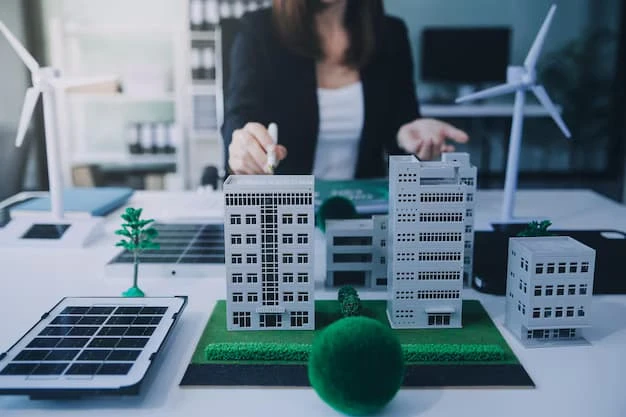

Urban cities around the world are evolving rapidly, driven by technological innovation, environmental awareness, and economic necessity. As populations grow and energy demands increase, the pressure to create sustainable and efficient infrastructure has never been greater. One of the most significant developments in this evolution is the rise of energy saving commercial buildings. These structures are not only designed to minimize environmental impact but also to enhance operational efficiency and improve the quality of urban life. The future of urban sustainability depends greatly on how effectively cities embrace and expand these energy-conscious designs.
The Growing Need for Energy Saving Commercial Buildings
Modern cities are dense ecosystems that consume vast amounts of energy daily. Commercial buildings, including offices, retail spaces, and mixed-use complexes, account for a significant share of urban energy consumption and carbon emissions. As environmental regulations tighten and energy costs rise, the shift toward energy saving commercial buildings has become both a strategic and moral imperative.
Urban Energy Consumption and Its Impact
Urban centers are responsible for more than 70 percent of global carbon emissions, and commercial buildings represent a large portion of this total. Inefficient heating, cooling, lighting, and ventilation systems contribute to excessive energy use, placing a heavy burden on both the environment and the economy. Cities that fail to address these inefficiencies face challenges related to air quality, resource scarcity, and long-term sustainability.
Global Shift Toward Sustainable Infrastructure
Governments and environmental agencies worldwide are encouraging the adoption of sustainable building practices. Urban development plans increasingly prioritize green construction standards and renewable energy integration. Energy saving commercial buildings are emerging as models of innovation, balancing performance, comfort, and sustainability to meet both regulatory requirements and environmental goals.
Key Features of Energy Saving Commercial Buildings
Energy saving commercial buildings incorporate a combination of smart technology, sustainable materials, and efficient design to optimize energy performance. These innovations not only reduce operational costs but also improve occupant health and productivity.
Advanced Building Materials and Design
The foundation of energy-efficient architecture lies in the use of advanced materials and design principles. High-performance insulation, energy-efficient windows, and reflective roofing materials help regulate indoor temperatures naturally. Passive solar design and strategic orientation ensure maximum use of natural light, reducing dependence on artificial lighting during the day.
Integration of Smart Energy Systems
Smart energy systems are revolutionizing building management. Automated controls and sensors monitor and adjust energy use in real time, optimizing heating, cooling, and lighting based on occupancy and external conditions. Building management systems collect data continuously, enabling predictive maintenance and long-term efficiency improvements.
Use of Renewable Energy Sources
Renewable energy is a cornerstone of sustainable building design. Many energy saving commercial buildings now integrate solar panels, wind turbines, or geothermal systems to generate clean power on-site. These renewable sources not only reduce reliance on fossil fuels but also contribute to lower energy bills and enhanced resilience against grid fluctuations.
Water and Waste Management Innovations
Energy efficiency extends beyond electricity consumption. Water conservation technologies, such as low-flow fixtures and rainwater harvesting systems, are becoming standard in sustainable building designs. Waste reduction programs and recycling systems further contribute to the overall environmental performance of these buildings.
Technological Advancements Shaping the Future
Technology is at the heart of the energy efficiency revolution in urban construction. As digital tools evolve, energy saving commercial buildings are becoming smarter, more responsive, and increasingly interconnected.
Artificial Intelligence and Predictive Analytics
Artificial intelligence is transforming how buildings consume energy. AI-driven systems analyze vast amounts of data from sensors and meters to predict energy demand patterns and optimize performance automatically. These systems can adjust HVAC settings, lighting, and energy use in response to occupancy and weather conditions, ensuring minimal waste and maximum comfort.
The Internet of Things and Real-Time Monitoring
The Internet of Things connects devices, systems, and sensors within a building, enabling seamless communication and control. Real-time monitoring helps facility managers track performance, detect inefficiencies, and respond to issues immediately. By integrating IoT technology, energy saving commercial buildings can maintain peak performance while reducing operational costs.
Energy Storage and Grid Interaction
The future of energy efficiency also includes advanced storage technologies that allow buildings to store excess energy generated from renewable sources. This stored power can be used during peak hours or grid outages, reducing dependence on external utilities. Buildings are also beginning to interact with smart grids, feeding surplus energy back into the system and contributing to overall grid stability.
Economic and Environmental Benefits of Energy Saving Buildings
Investing in energy saving commercial buildings delivers long-term economic and environmental returns. Beyond compliance with environmental laws, these buildings offer tangible benefits that make them a smart choice for businesses and urban planners alike.
Reduced Operating Costs
One of the most immediate benefits of energy efficiency is cost reduction. Lower energy consumption directly translates into decreased utility expenses. Efficient systems require less maintenance and have longer lifespans, leading to additional savings over time.
Improved Building Value and Market Competitiveness
Energy-efficient properties often command higher market values and attract tenants who prioritize sustainability and lower operating expenses. Green certifications such as LEED or ENERGY STAR enhance a building’s reputation, positioning it as a forward-thinking and environmentally responsible asset.
Contribution to Urban Sustainability Goals
By reducing carbon emissions and resource consumption, energy saving commercial buildings contribute significantly to citywide sustainability initiatives. They help urban areas move closer to achieving carbon neutrality while improving air quality and overall livability.
Challenges in Implementing Energy Saving Building Practices
Despite the clear benefits, creating energy saving commercial buildings in urban environments comes with challenges that must be carefully managed.
High Initial Investment Costs
Energy-efficient technologies and materials often require a larger upfront investment compared to conventional construction. However, these costs are typically offset over time through energy savings and lower maintenance expenses. Incentive programs and government rebates can also help reduce financial barriers.
Complexity of Retrofitting Older Buildings
Many urban centers have aging commercial properties that were not built with energy efficiency in mind. Retrofitting these structures to meet modern standards requires careful planning, technical expertise, and significant investment. Energy consultants and engineers play a vital role in identifying feasible solutions that balance performance with preservation.
Regulatory and Compliance Challenges
Urban cities often have intricate regulatory frameworks governing construction and energy use. Navigating these rules can be complex, especially when integrating new technologies or renewable energy systems. Coordination between architects, engineers, and policymakers is essential to ensure compliance and achieve sustainability goals.
The Role of Energy Consultants in Advancing Efficiency
Energy consultants are key players in shaping the future of energy saving commercial buildings. Their expertise helps property owners design, implement, and maintain sustainable systems that meet performance and compliance standards.
Energy Auditing and Performance Analysis
Consultants begin by conducting detailed energy audits to assess current performance and identify areas for improvement. These assessments form the foundation for developing strategies that enhance efficiency and reduce waste.
Customized Energy Management Plans
Every building has unique operational requirements. Energy consultants create tailored management plans that align with each property’s specific needs, combining technical upgrades, behavioral changes, and data monitoring to achieve optimal performance.
Regulatory Guidance and Incentive Access
Navigating sustainability regulations and incentive programs can be overwhelming for property owners. Energy consultants assist in securing available rebates, tax credits, and grants while ensuring compliance with all local and national energy standards.
Future Trends in Urban Energy Efficiency
The future of energy saving commercial buildings will be defined by innovation, collaboration, and long-term sustainability planning.
Integration of Smart City Infrastructure
As urban environments evolve into smart cities, buildings will become integral components of interconnected energy networks. Real-time data sharing between buildings, utilities, and city systems will enable coordinated energy management and optimization on a citywide scale.
Adoption of Circular Economy Principles
Future sustainable construction will embrace circular economy principles that prioritize resource efficiency, material reuse, and waste minimization. Buildings will be designed with adaptability and longevity in mind, ensuring minimal environmental impact over their lifecycle.
Focus on Health and Wellbeing
Energy saving commercial buildings of the future will also emphasize occupant health. Improved ventilation, natural lighting, and indoor air quality will create spaces that promote wellness and productivity, making energy efficiency synonymous with comfort and wellbeing.
Conclusion
Energy saving commercial buildings represent the future of sustainable urban development. Through intelligent design, advanced technology, and strategic energy management, these structures are transforming how cities operate and grow. They not only reduce environmental impact but also deliver economic, social, and health benefits that extend across communities. As cities continue to evolve, the widespread adoption of energy-efficient commercial buildings will be essential to achieving global sustainability goals. National Energy Cost Services, Inc. (NECS) remains dedicated to supporting businesses and developers in creating energy saving commercial buildings that contribute to a more sustainable and resilient urban future.





























Sign in to leave a comment.