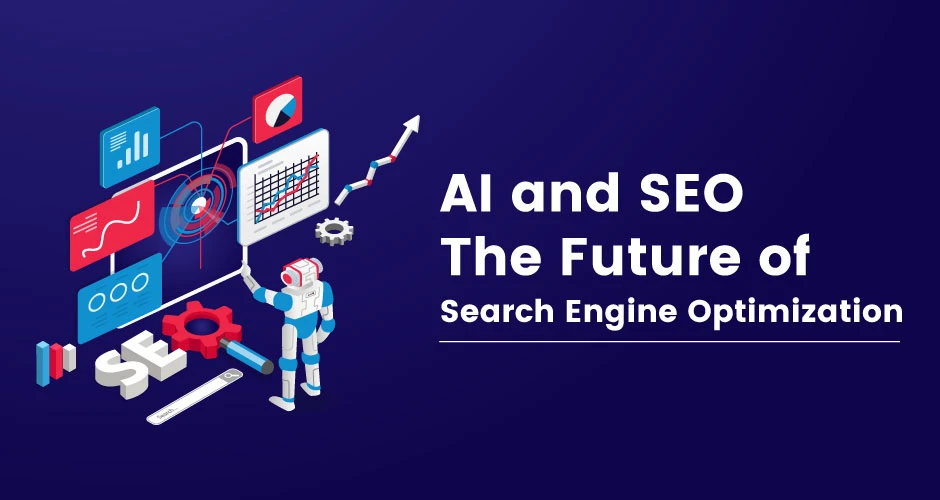

The Future of SEO
Search Engine Optimization (SEO) has always been an ever-evolving field, continuously adapting to the changes in search engine algorithms and user behavior. As we look to the future, the landscape of SEO is poised to undergo significant transformations driven by advancements in technology, changing consumer expectations, and the growing importance of providing a superior user experience. This blog explores the key trends and developments that are shaping the future of SEO, offering insights into how businesses can stay ahead of the curve.
The Rise of Artificial Intelligence and Machine Learning
AI's Impact on Search Algorithms:
Artificial intelligence (AI) and machine learning are revolutionizing how search engines understand and rank content. Google’s Rank Brain and BERT are prime examples of AI-driven algorithms that enhance the search engine's ability to comprehend user intent and context. These advancements mean that SEO strategies must focus more on natural language processing and creating content that genuinely addresses user queries.
Personalization and Predictive Search
AI enables search engines to deliver more personalized search results based on user behavior, preferences, and past interactions. Predictive search, where search engines anticipate user queries and provide answers before they are even asked, is becoming more prevalent. SEO professionals need to consider these factors when optimizing content, ensuring it meets the specific needs and expectations of individual users.
Voice Search Optimization
The Growth of Voice Assistants
The increasing popularity of voice assistants like Amazon Alexa, Google Assistant, and Apple's Siri is transforming how people search for information online. By 2024, it is estimated that more than half of all searches will be voice-based. This shift requires a new approach to SEO, focusing on natural language and conversational keywords.
Optimizing for Conversational Queries
Voice searches are typically longer and more conversational than text searches. SEO strategies should incorporate long-tail keywords and phrases that reflect how people speak. Additionally, optimizing content to answer common questions succinctly can improve visibility in voice search results.
Mobile-First Indexing
The Dominance of Mobile Searches
With mobile devices accounting for a significant portion of web traffic, search engines have adopted mobile-first indexing, where the mobile version of a website is prioritized for indexing and ranking. This trend underscores the importance of having a mobile-friendly website that offers a seamless user experience across all devices.
Best Practices for Mobile SEO
To succeed in a mobile-first world, businesses must ensure their websites are responsive, fast-loading, and easy to navigate on mobile devices. Utilizing AMP (Accelerated Mobile Pages) can further enhance mobile performance, leading to better search rankings and improved user engagement.
The Importance of User Experience (UX)
Core Web Vitals
Google’s introduction of Core Web Vitals as a ranking factor highlights the growing importance of user experience in SEO. These metrics assess a website’s loading performance, interactivity, and visual stability, emphasizing the need for fast, responsive, and visually stable web pages.
Enhancing User Engagement
A positive user experience extends beyond Core Web Vitals. SEO strategies should focus on creating engaging, valuable content that meets user needs. Reducing bounce rates, increasing time on site, and encouraging user interactions are crucial for improving SEO performance.
Visual and Video SEO
The Power of Visual Content
Visual content, including images, infographics, and videos, plays a vital role in capturing user attention and conveying information quickly. As search engines become better at understanding and indexing visual content, optimizing images and videos for SEO is essential.
Video SEO Best Practices
With the rise of platforms like YouTube and the growing importance of video content, businesses should focus on video SEO. This includes optimizing video titles, descriptions, and tags with relevant keywords, creating engaging thumbnails, and ensuring videos are accessible and load quickly.
The Role of Structured Data and Schema Markup
Enhancing Search Visibility
Structured data and schema markup help search engines understand the context and content of a webpage, leading to enhanced search visibility through rich snippets, knowledge panels, and other search features. Implementing structured data can improve click-through rates and drive more organic traffic.
Types of Structured Data
Common types of structured data include product information, reviews, FAQs, and event details. By incorporating schema markup into their websites, businesses can provide search engines with more precise information, improving their chances of appearing in rich results.
The Emergence of Zero-Click Searches
Understanding Zero-Click Searches
Zero-click searches occur when users find the information they need directly on the search results page without clicking on any links. Featured snippets, knowledge graphs, and answer boxes are examples of zero-click search results. This trend poses a challenge for traditional SEO strategies that rely on driving traffic to websites.
Adapting to Zero-Click Searches
To thrive in an environment where zero-click searches are becoming more common, businesses must focus on optimizing their content to appear in these featured snippets. Providing clear, concise, and authoritative answers to common queries can help capture valuable search real estate and maintain visibility.
The Growing Importance of E-A-T
What is E-A-T?
E-A-T stands for Expertise, Authoritativeness, and Trustworthiness, three key factors that Google uses to evaluate the quality of content. With the rise of misinformation and low-quality content, search engines are prioritizing E-A-T to ensure users receive accurate and reliable information.
Building E-A-T for SEO
Businesses can enhance their E-A-T by creating high-quality, well-researched content authored by experts in the field. Establishing authority through backlinks from reputable sources and maintaining a transparent, trustworthy online presence are also crucial for improving E-A-T and SEO rankings.
The Integration of Augmented Reality (AR) and Virtual Reality (VR)
AR and VR in Search
Augmented Reality (AR) and Virtual Reality (VR) are emerging technologies that are starting to influence how users interact with search engines. For instance, Google’s AR search results allow users to see 3D models in their real-world environment, enhancing the search experience.
SEO Strategies for AR and VR
As AR and VR become more integrated into search, businesses should consider how to optimize content for these formats. This might include creating AR-compatible product listings or VR experiences that provide immersive content. Staying ahead in this space can offer a competitive edge in SEO.
Sustainability and Ethical SEO
The Rise of Green SEO
With increasing awareness of environmental issues, there is a growing trend towards sustainability in SEO. This involves optimizing websites for energy efficiency, using eco-friendly hosting services, and supporting ethical business practices.
Ethical SEO Practices
Ethical SEO practices focus on transparency, honesty, and providing genuine value to users. Avoiding black-hat SEO techniques, such as keyword stuffing, cloaking, and link schemes, is essential for maintaining credibility and long-term success in SEO.
Conclusion: Embracing the Future of SEO
The future of SEO is shaped by technological advancements, changing user behaviors, and a greater emphasis on providing high-quality, relevant content. By staying informed about emerging trends and continuously adapting strategies, businesses can navigate the evolving SEO landscape and achieve sustainable growth. Embracing AI, optimizing for voice search, prioritizing mobile-first indexing, and enhancing user experience are just a few of the ways to stay ahead. As SEO continues to evolve, the focus should always remain on meeting the needs of users and delivering valuable, trustworthy content.
By understanding and adapting to these future trends, SEO professionals can help businesses achieve better search visibility, drive more organic traffic, and ultimately succeed in the digital marketplace. The key to future-proofing SEO strategies lies in staying agile, continuously learning, and embracing innovation.
References:
- "User Experience and SEO: A Symbiotic Relationship," by Emily Brown, UX Matters.
- "Video SEO: Maximizing Your Content's Reach," by Lisa White, Video Marketing Insights.
By keeping an eye on these trends and continually refining SEO strategies, businesses can ensure they remain competitive in the ever-changing digital landscape.




















Sign in to leave a comment.