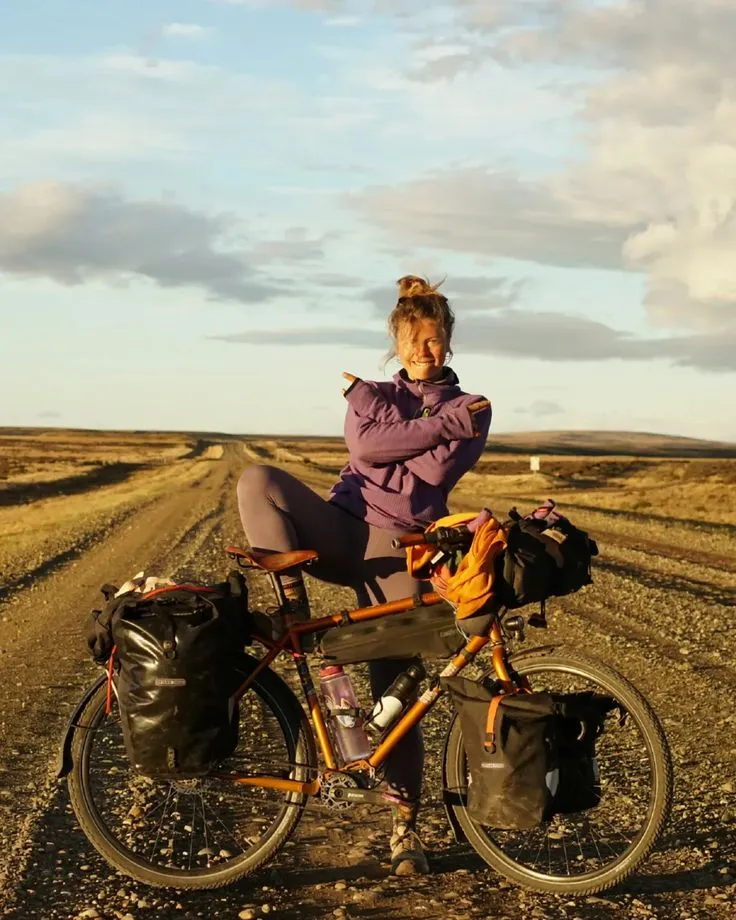

After years of screens, isolation, and virtual everything, something remarkable is happening with tourism. People are walking away from their devices and into the wilderness. Not just for occasional hikes, but for full-blown expeditions, wildlife safaris, and immersive nature experiences. The global wildlife travel market, valued at 195 billion in 2025, is projected to reach 401 billion by 2034. What we're witnessing isn't just a passing trend–it's a collective rediscovery of something essential. In a world that left many exhausted and disconnected, the call of the wild has never been louder.
The Numbers Tell the Story
The statistics are striking. Outdoor recreation participation in the U.S. grew by 4.1 percent in 2023 alone, reaching a record 175.8 million participants–57.3 percent of the population. The eco-tourism market is expanding even faster, with a projected compound annual growth rate of 11.3 percent through 2035. Travelers are no longer satisfied with passive sightseeing; they want active engagement with wild places. Bookings for rewilding holidays–trips focused on conservation and wildlife observation–rose 25 percent in 2025, with bison tracking in Romania, wolf spotting in Sweden, and trek-safari hybrids across Africa and Asia leading the way.
What's driving this surge? According to recent surveys, 76 percent of Americans are now committed to spending more time outdoors and away from their devices. The pandemic fundamentally reset priorities. After months of confinement, people discovered that nature wasn't just a nice escape–it was essential.
What Science Tells Us About Nature tourism and Well-Being
The psychological benefits of time outdoors are no longer just anecdotal. A systematic review published in the Journal of Environmental Psychology found that exposure to natural environments has measurable effects on mood, consistently reducing negative emotions and increasing feelings of calmness. Forest visits have been shown to significantly lower cortisol levels–the body's primary stress hormone–more effectively than time spent in urban environments.
But the effects go beyond stress reduction. A 20-minute walk in the woods can enhance positive affect, boost immune function, and improve cognitive performance. The mechanisms are physiological: natural settings promote alpha waves in the brain, associated with relaxed alertness, while reducing activity in brain regions linked to rumination and negative thought patterns. In essence, nature doesn't just make us feel better–it literally changes how our brains function.
Research from Australia adds another layer: meaningful experiences in nature are strongly associated with life satisfaction, human-nature connection, and pro-environmental behaviors. When people feel connected to the natural world, they're not only happier–they're also more likely to protect it.
Why Sharing Nature Matters
Here's what the data reveals that's easy to miss: the benefits of nature compound when shared. The Streamwatch program in Australia, which brings community members together to monitor water quality, found that participants experienced environmental awareness and significantly improved mental well-being. Socializing in nature creates a triple benefit: stress reduction from the environment itself, emotional support from others, and strengthened community bonds through shared purpose.
Recent surveys show that more than a third of people would rather meet new people through outdoor activities than through dating apps. This represents a cultural shift away from mediated socializing toward genuine, in-person connections built around shared experiences. Sailing clubs, fishing groups, hiking collectives–these aren't just recreational activities anymore. They're modern communities, formed around being outside together.
The Digital Reset
Underlying all of this is a powerful force: digital fatigue. After years of constant connectivity, people are experiencing measurable burnout from screen time. The attention economy has left many feeling drained rather than fulfilled. An impressive 76 percent of survey respondents now say they're committed to spending time outdoors and off their devices. This isn't about occasional breaks–it's about fundamental changes in how they spend their time.
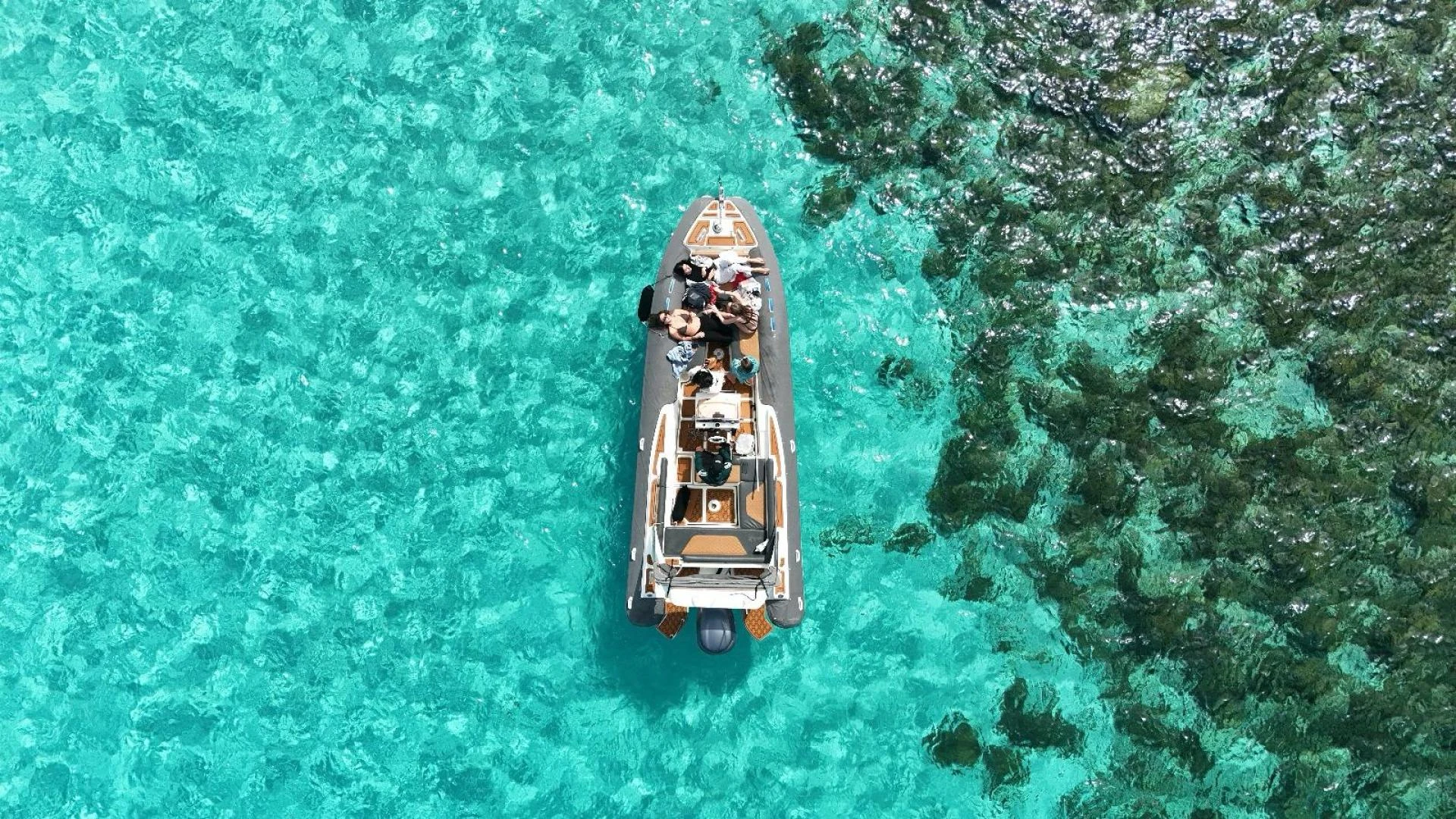
Water-based activities offer something unique here. Studies show that time on the water calms the nervous system and expands consciousness in ways that land-based experiences sometimes don't. The combination of physical effort, natural beauty, and the distinctive qualities of water creates conditions for genuine presence–the kind where phones stay in pockets, and attention stays on the moment.
This movement isn't just about leisure. It's a cultural correction toward activities that require real effort, skills, and human connection. The ease of modern digital life has created a hunger for its opposite–for friction, for difficulty, for the satisfaction of mastering something physical with other people. As one industry observer put it, "the struggle is the goal."
For those seeking to deepen their connection with nature–and with others who value the same–discovering communities built around shared outdoor experiences transforms the search. More about cultivating meaningful relationships through shared adventures can be found here.
Beyond the Trend
The nature tourism boom isn't a fad. It's a response to something deeper–a recognition that human beings need wild places, need each other, and need experiences that can't be optimized or algorithmized. The record numbers visiting national parks, booking wildlife safaris, and joining outdoor clubs reflect a collective rediscovery of what we've always known: that time in nature, especially with others, makes us more fully ourselves. In a world that often seems increasingly artificial, the great outdoors offers something irreplaceably real.


















Sign in to leave a comment.