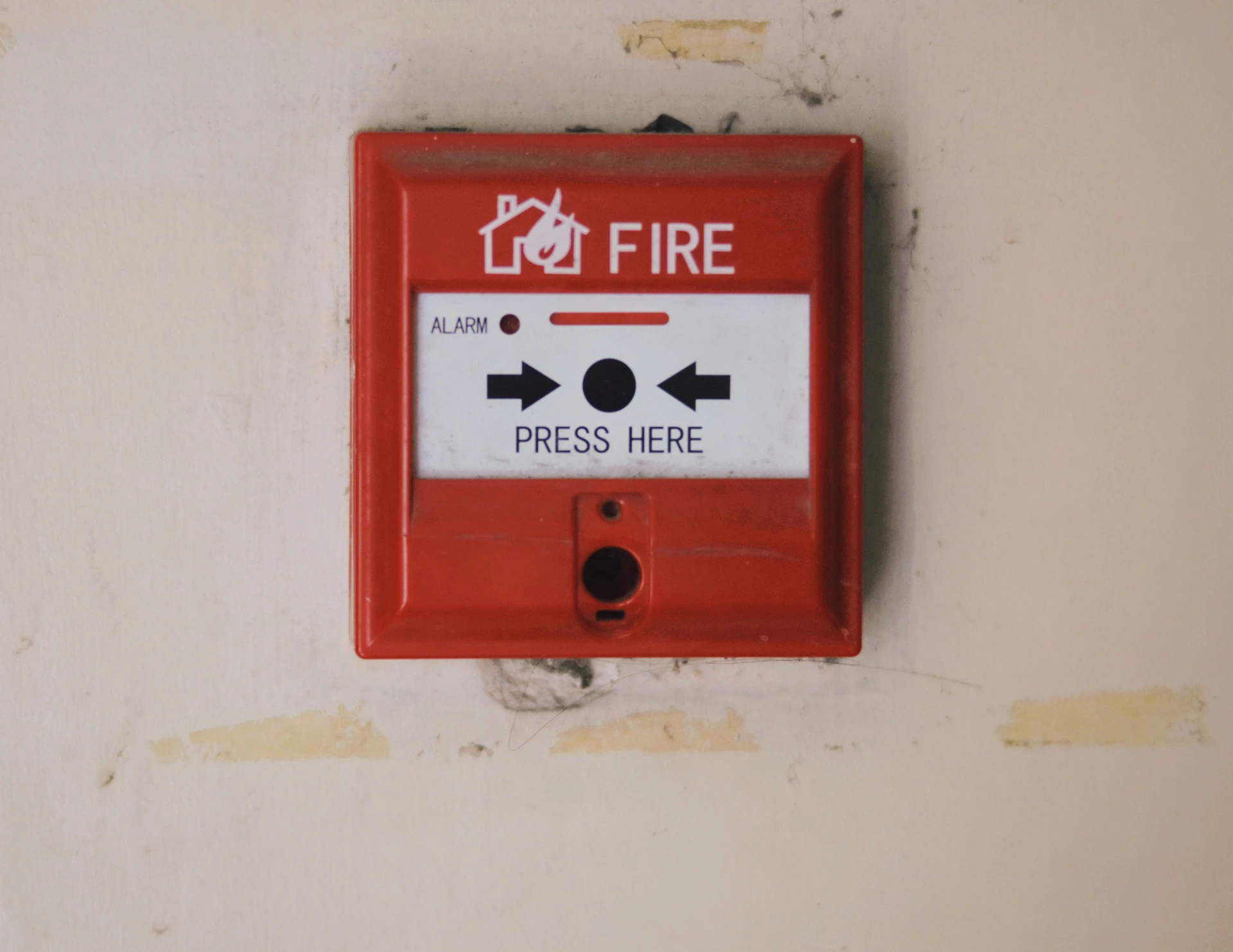

As cities expand and technologies evolve, the way we think about building safety has fundamentally changed. It's no longer enough to simply install a fire alarm or set up a few security cameras. Today, the standard for protecting people and property involves fully integrated safety systems—a connected network of fire detection, access control, video surveillance, and emergency response tools that work together seamlessly.
But what exactly does integration mean in this context, and why is it becoming essential?
What Are Integrated Safety Systems?
Integrated safety systems refer to the unification of multiple building technologies—fire alarms, access control, CCTV surveillance, intrusion detection, and sometimes even IT infrastructure—into a single operational platform. These systems communicate with each other to create a more comprehensive and responsive safety environment.
For example, when a fire alarm is triggered, an integrated system might automatically:
- Unlock all emergency exits
- Send a notification to emergency services
- Activate surveillance cameras in affected areas
- Shut down HVAC systems to prevent smoke circulation
This level of coordination can significantly improve response times and reduce the chance of harm.
Why Integration Matters More Today
Several factors are driving the shift toward more sophisticated safety systems:
1. Complex Threats
Buildings today face a wider range of risks, from natural disasters and fires to data breaches and physical security threats. Integrated systems provide a more holistic defense against multiple types of hazards.
2. Workplace Trends
The rise of hybrid work, flexible office spaces, and 24/7 facilities requires security systems that can adapt in real time. Access control, for example, may need to support rotating schedules and remote access credentials.
3. Regulatory Pressure
Building codes and industry regulations are becoming stricter, particularly for environments like schools, hospitals, and manufacturing plants. Integrated systems can simplify compliance through centralized reporting and auditing.
4. Technology Convergence
The line between physical and digital infrastructure is blurring. IT and security teams now often work together, especially when systems like surveillance cameras and door controls rely on network connectivity.
Key Components of an Integrated System
Understanding what goes into an integrated system can help building owners and facility managers make informed decisions. Common components include:
- Fire Alarm Systems: Smoke detectors, alarms, and control panels that alert occupants and emergency responders.
- Access Control: Electronic locks and badge systems that manage who can enter certain areas.
- CCTV Surveillance: Cameras and monitoring software that record activity and support investigations.
- Alarm Monitoring: Remote or on-site services that oversee system alerts and escalate issues when needed.
- Emergency Notification: Tools like PA systems, mobile alerts, or digital signage that communicate during crises.
Making Integration Work
While integrated systems offer many advantages, they also require thoughtful planning. Key considerations include:
- Compatibility between devices and platforms
- Network reliability and cybersecurity
- Regular maintenance and testing
- Clear protocols for system responses
Working with knowledgeable professionals who understand both legacy and modern systems can help ensure that everything operates as intended. For a deeper look into how integrated safety systems are designed and implemented in real-world environments, you can explore more resources and case insights at fastintegration.ai.
Final Thoughts
Integrated safety systems are not just a trend—they're quickly becoming the standard in modern building design and facility management. By combining fire protection, physical security, and IT infrastructure into a unified framework, organizations can better protect their people, reduce risk, and respond effectively when incidents occur.





























Sign in to leave a comment.