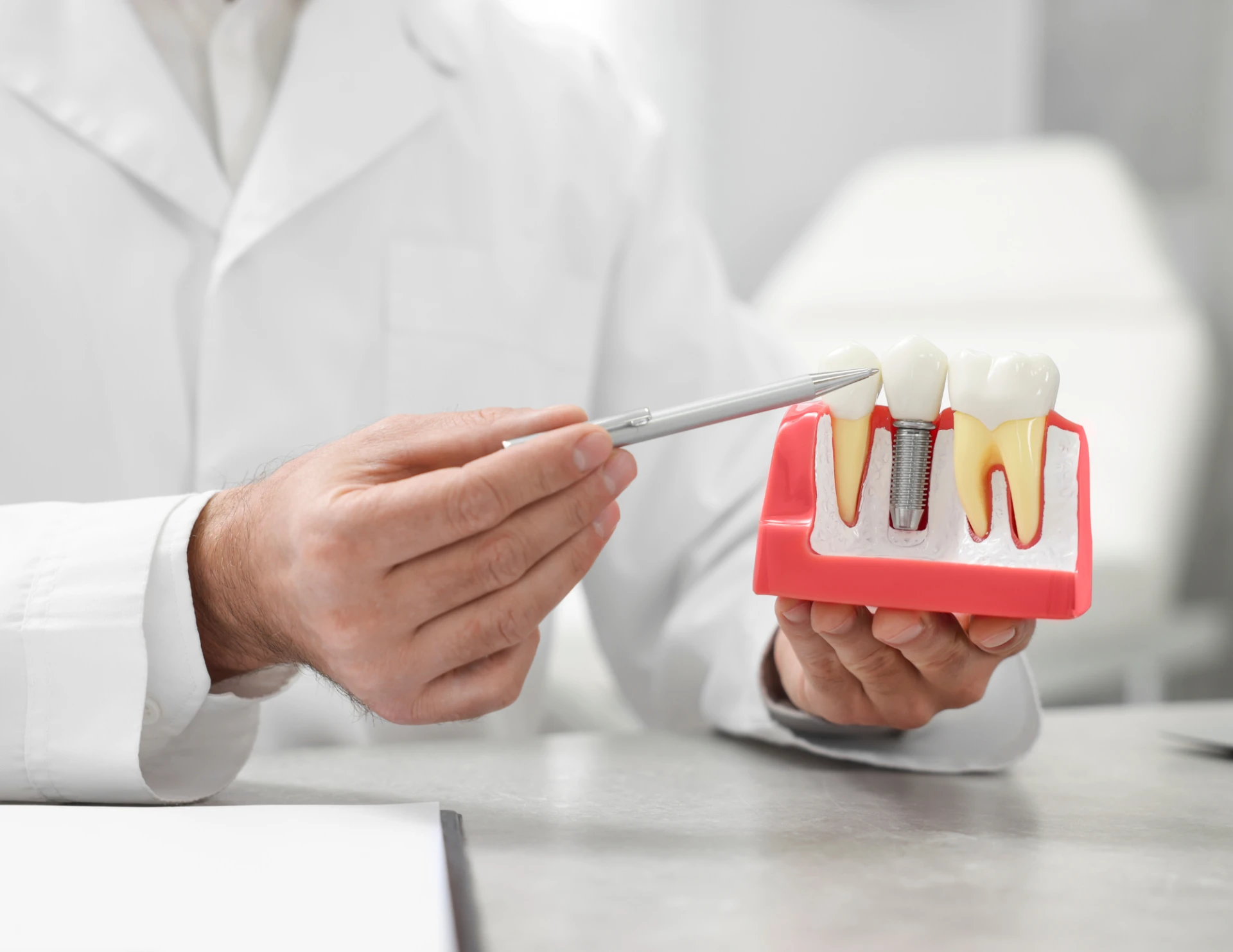

Maintaining optimal oral health is a crucial part of overall well-being. Routine dental check-ups play a significant role in preventing dental issues, detecting problems early, and ensuring a confident smile. Many people underestimate the importance of regular dental visits, assuming that brushing and flossing at home are enough. However, professional dental care is essential for long-term oral health and can prevent serious complications down the line.
Why Regular Dental Check-Ups Matter
Visiting the dentist on a regular basis offers numerous benefits, both for oral health and general health. Some of the most compelling reasons to schedule regular check-ups include:
1. Early Detection of Dental Problems
Many dental issues, such as cavities, gum disease, and oral cancer, do not cause noticeable symptoms in their early stages. A dentist can detect these problems before they become severe, reducing the need for extensive treatment. Catching a small cavity early, for example, may only require a minor filling, whereas an untreated cavity could eventually require a root canal or even tooth extraction.
2. Professional Teeth Cleaning
Even with diligent brushing and flossing, plaque and tartar can accumulate in areas that are difficult to reach. Over time, this buildup can lead to gum disease, cavities, and bad breath. Professional cleanings remove plaque and tartar, helping to maintain healthy teeth and gums. A dental hygienist also polishes the teeth to remove surface stains, keeping the smile bright.
3. Prevention of Gum Disease
Gum disease, also known as periodontal disease, is one of the most common oral health problems. In its early stage (gingivitis), it can often be reversed with proper care. However, if left untreated, gum disease can progress to periodontitis, which can cause tooth loss and even contribute to other health problems such as heart disease and diabetes. Regular dental visits allow dentists to monitor gum health and provide treatments to prevent or manage gum disease.
4. Oral Cancer Screening
Oral cancer is a serious condition that can be life-threatening if not detected early. During a routine check-up, a dentist examines the mouth for any signs of oral cancer, including unusual lumps, sores, or discoloration. Early detection significantly improves the chances of successful treatment.
5. Overall Health Benefits
Oral health is closely linked to overall health. Studies have shown that poor oral hygiene is associated with an increased risk of conditions such as heart disease, diabetes, and respiratory infections. Bacteria from the mouth can enter the bloodstream and contribute to systemic inflammation, making regular dental care an essential part of maintaining good health.
What to Expect During a Dental Check-Up
Understanding what happens during a dental visit can help alleviate any anxiety and encourage consistency in scheduling appointments. A typical dental check-up includes the following steps:
1. Medical History Review
The dentist will review any changes in medical history, medications, or lifestyle habits that may impact oral health. Certain conditions, such as diabetes or autoimmune disorders, can increase the risk of dental problems.
2. Comprehensive Examination
A thorough examination of the teeth, gums, and oral tissues is conducted to check for signs of decay, gum disease, and other issues. The dentist will also assess the bite and jaw for any misalignments or signs of TMJ disorders.
3. Professional Cleaning
A dental hygienist will remove plaque and tartar using specialized tools. This is followed by polishing the teeth to remove surface stains and freshen the breath.
4. X-Rays (If Necessary)
Dental X-rays help detect issues that are not visible during a physical examination, such as cavities between teeth, impacted teeth, or bone loss. X-rays are typically taken once a year or as needed based on individual risk factors.
5. Discussion and Treatment Planning
If any dental problems are detected, the dentist will discuss treatment options and create a personalized plan to address them. This may include scheduling future appointments for fillings, periodontal treatment, or other necessary procedures.
How Often Should You Visit the Dentist?
The general recommendation is to visit the dentist at least twice a year for routine check-ups and cleanings. However, some individuals may require more frequent visits depending on their oral health needs.
Factors that influence how often a person should see a dentist include:
- Oral Hygiene Habits: Those who brush and floss diligently may require fewer visits, while those who struggle with plaque buildup may need more frequent cleanings.
- Medical Conditions: People with conditions such as diabetes, osteoporosis, or immune disorders may need additional dental care to manage their oral health.
- History of Dental Issues: Those with a history of cavities, gum disease, or other dental concerns may need to see the dentist more often.
A dentist can provide personalized recommendations based on an individual’s oral health needs.
Common Myths About Dental Check-Ups
Despite the importance of regular dental visits, many people avoid them due to common misconceptions. Let’s debunk some of these myths:
Myth 1: If My Teeth Don’t Hurt, I Don’t Need to See a Dentist
Many dental problems, including cavities and gum disease, develop without causing pain in the early stages. By the time discomfort arises, the issue may be more severe and require more extensive treatment.
Myth 2: Brushing and Flossing at Home is Enough
While good oral hygiene is essential, professional cleanings remove plaque and tartar that cannot be removed with a toothbrush or floss. Regular check-ups also allow for early detection of potential issues.
Myth 3: Dental Visits Are Expensive
Preventive care is far more affordable than treating advanced dental problems. Investing in regular check-ups can save money in the long run by preventing costly procedures such as root canals or extractions.
Tips for Maintaining Oral Health Between Visits
To keep your teeth and gums healthy between dental appointments, follow these simple tips:
- Brush Twice a Day: Use fluoride toothpaste and a soft-bristled toothbrush to clean all surfaces of the teeth.
- Floss Daily: Flossing removes plaque and food particles from between teeth and under the gumline.
- Use Mouthwash: An antimicrobial mouthwash can help reduce bacteria and freshen breath.
- Eat a Balanced Diet: Limit sugary foods and beverages, and include foods rich in calcium and vitamins.
- Avoid Tobacco Products: Smoking and chewing tobacco increase the risk of gum disease and oral cancer.
- Stay Hydrated: Drinking water helps wash away food particles and supports saliva production.
Conclusion
Regular dental check-ups are essential for maintaining a healthy smile and preventing serious dental problems. Routine visits allow for early detection of issues, professional cleanings, and personalized oral health advice.
By making dental care a priority and practicing good oral hygiene at home, individuals can enjoy strong, healthy teeth for a lifetime. If it has been a while since your last dental visit, now is the perfect time to schedule an appointment and take control of your oral health. A little prevention today can save a lot of pain and expense in the future.




























Sign in to leave a comment.