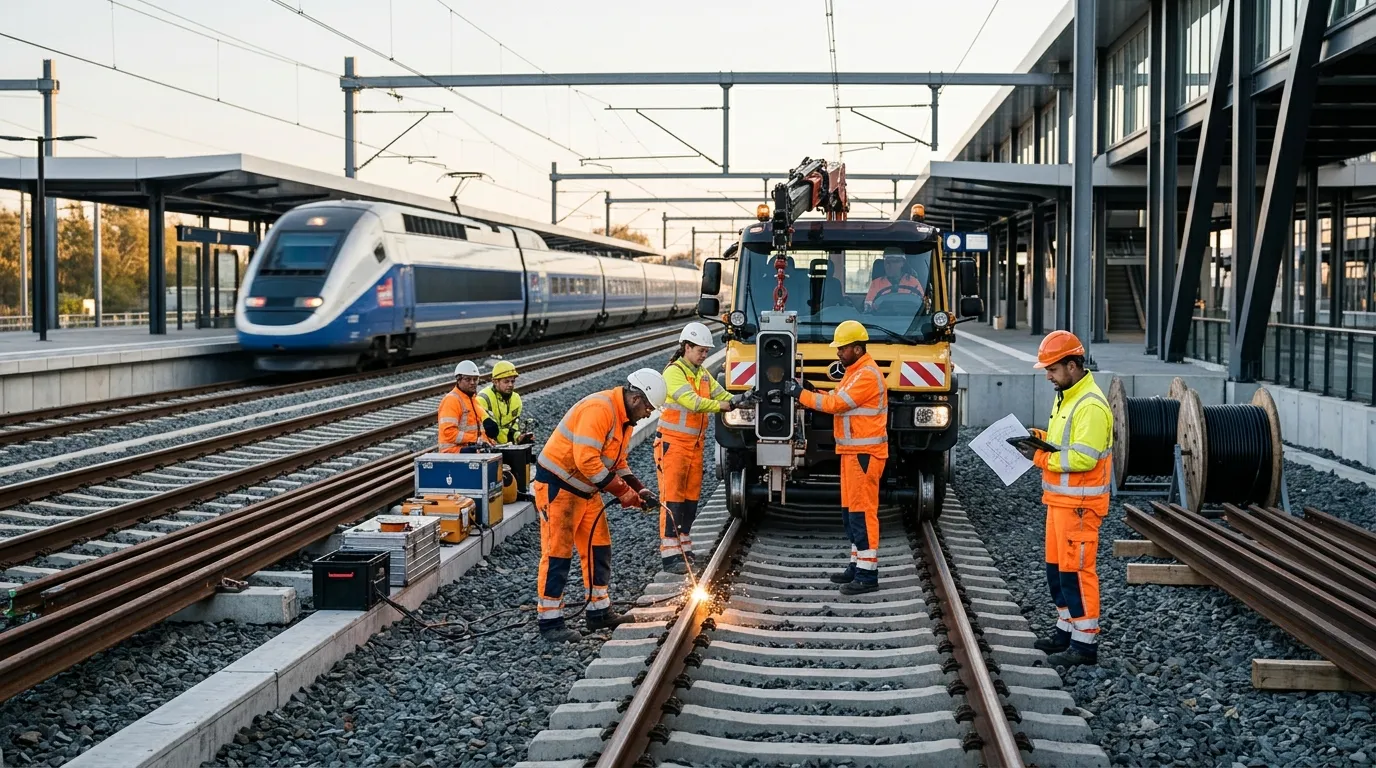

The railroad industry plays a major role in transporting freight and passengers across North America. From industrial materials and agricultural products to commuter transportation, rail systems remain one of the most reliable forms of transportation. However, behind every successful rail operation is a complex network of dispatchers, safety professionals, compliance experts, and operational support teams. This is where railway contractor companies become increasingly important.
This article explains the role of railway contractor companies, the value of contract train dispatching, and why compliance and professional rail support services continue to shape the future of rail transportation
What Are Railway Contractor Companies?
Railway contractor companies are specialized organizations that provide operational and technical support services to railroads, industrial rail facilities, and passenger rail systems. These companies often work alongside railroad operators to manage critical functions that require industry expertise and around-the-clock coordination.
Unlike general transportation contractors, railway contractors understand railroad regulations, dispatch systems, communication procedures, and operational safety standards. Their services are designed to support rail operations without disrupting existing infrastructure or train movement.
Many rail contractors provide services such as:
- Train dispatching support
- Rail traffic coordination
- Safety and compliance consulting
- Emergency operational support
As rail operations become more advanced and technology-driven, contractors continue to play a larger role in supporting rail efficiency and safety.
Why Contract Train Dispatching Matters
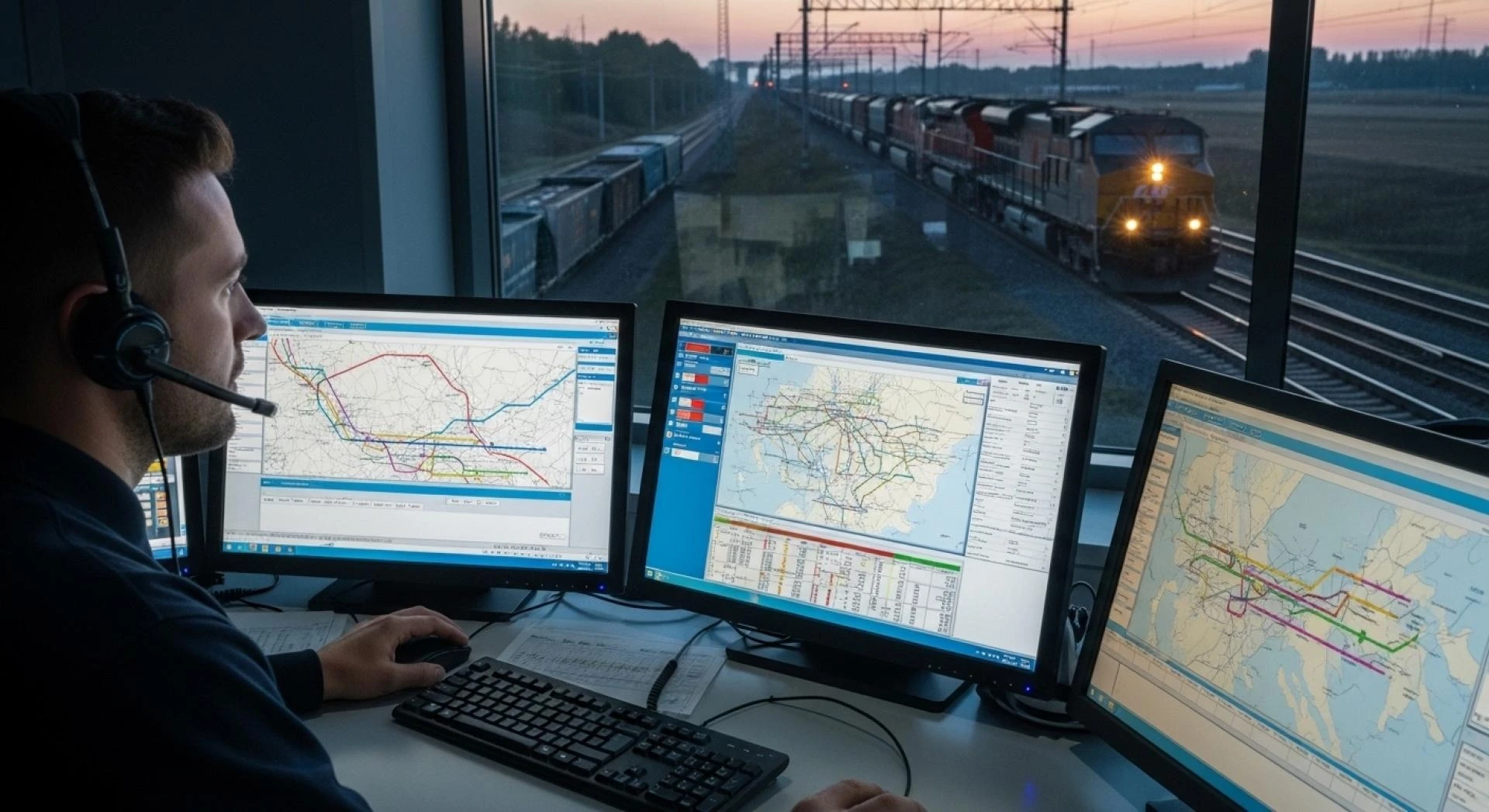
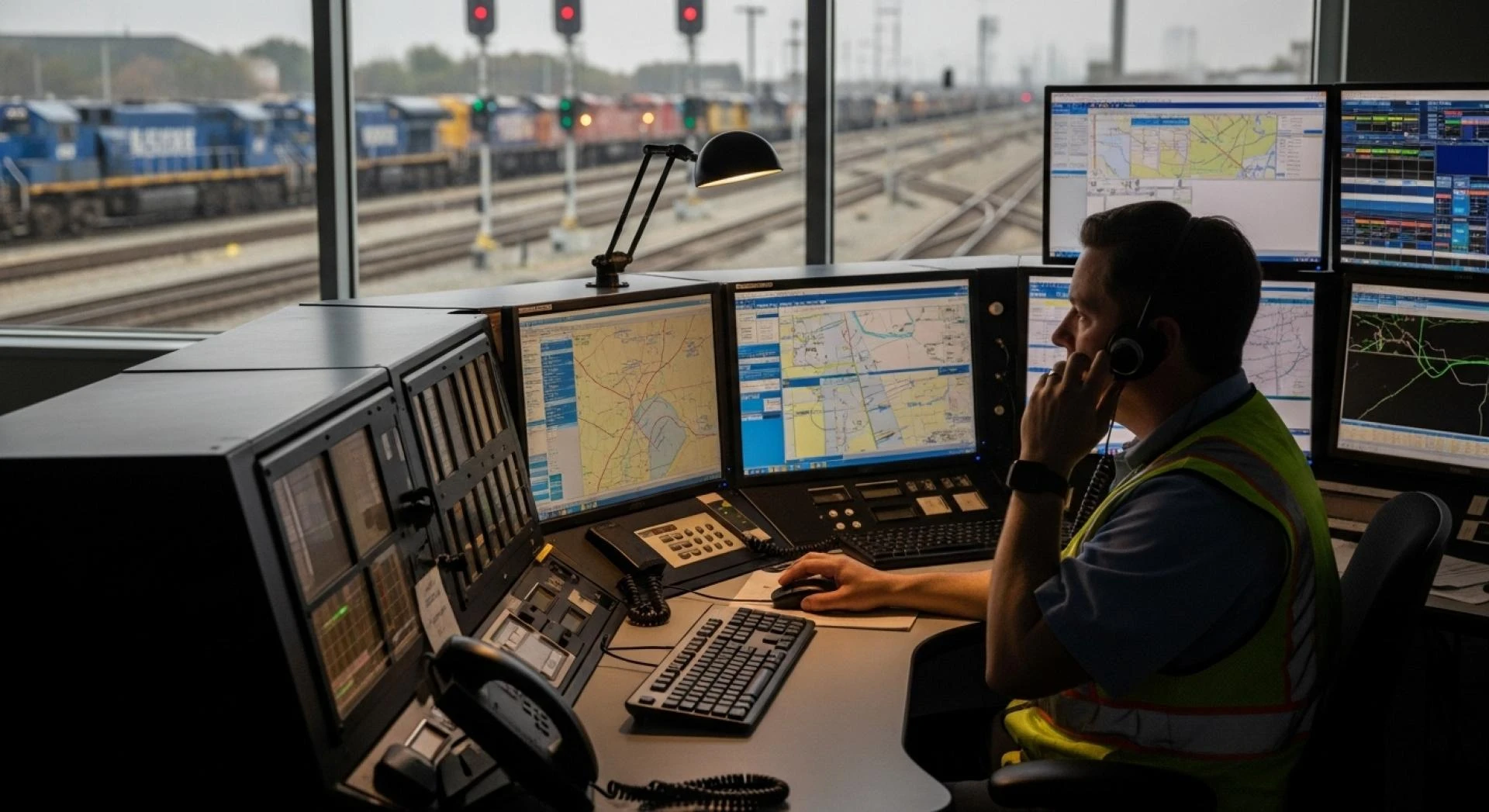
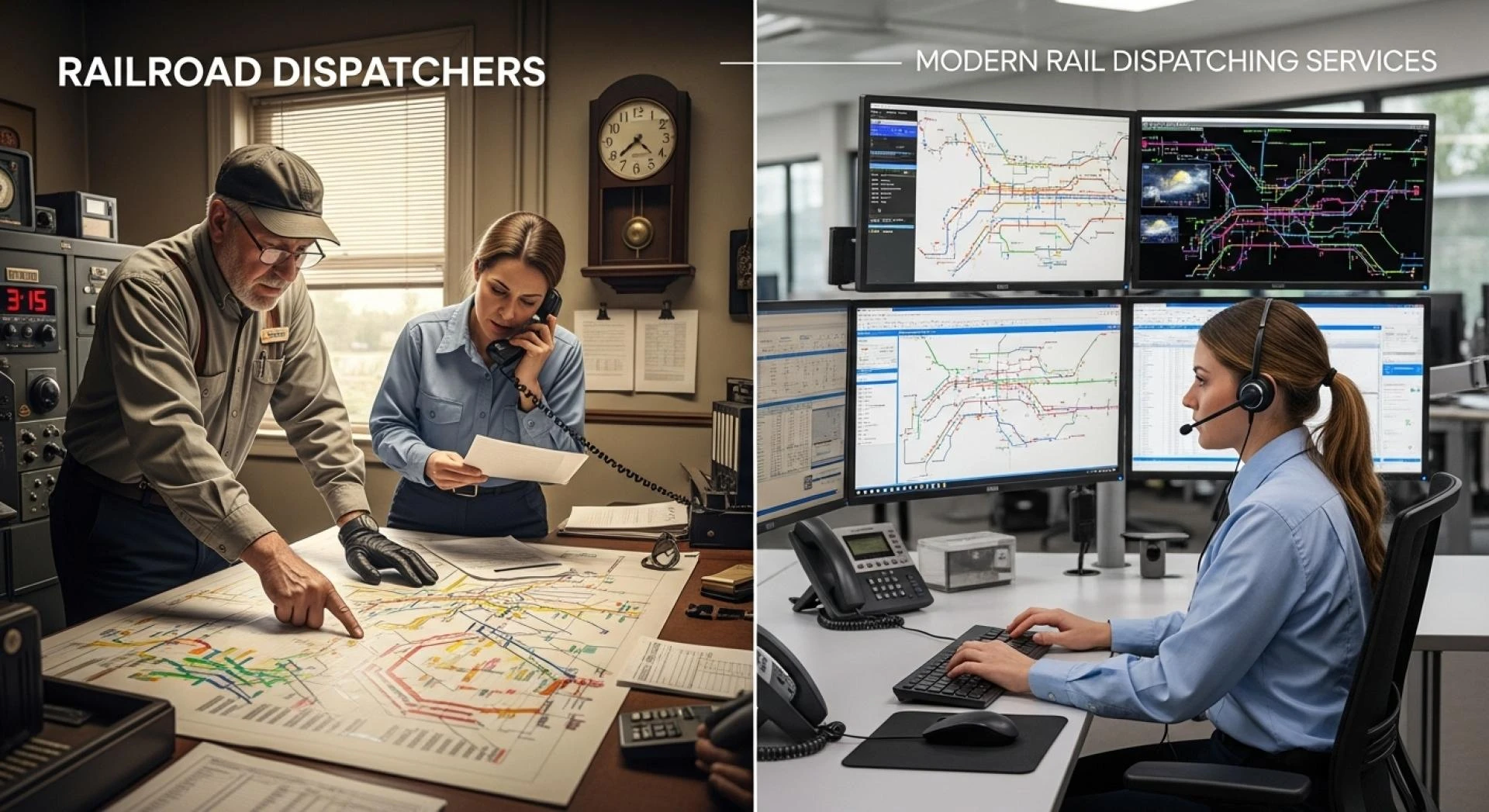
One of the most critical responsibilities in rail operations is dispatching. Dispatchers control train movement, coordinate rail traffic, authorize track usage, and communicate with train crews throughout the day. Because railroads operate continuously, dispatching requires constant attention and quick decision-making.
Contract dispatching allows railroads to outsource dispatch operations to trained professionals who specialize in rail traffic management. These services can help railroads maintain operations during staffing shortages, network expansion, or emergency situations.
Some rail operators rely on contract dispatching because it offers:
24/7 Operational Support
Railroads often operate across multiple time zones and require constant dispatch coverage. Contract dispatch services help maintain continuous communication and coordination.
Access to Experienced Dispatchers
Professional dispatch contractors typically employ trained dispatchers with experience in railroad operations, communication systems, and safety procedures.
Understanding Contract Railroad Services
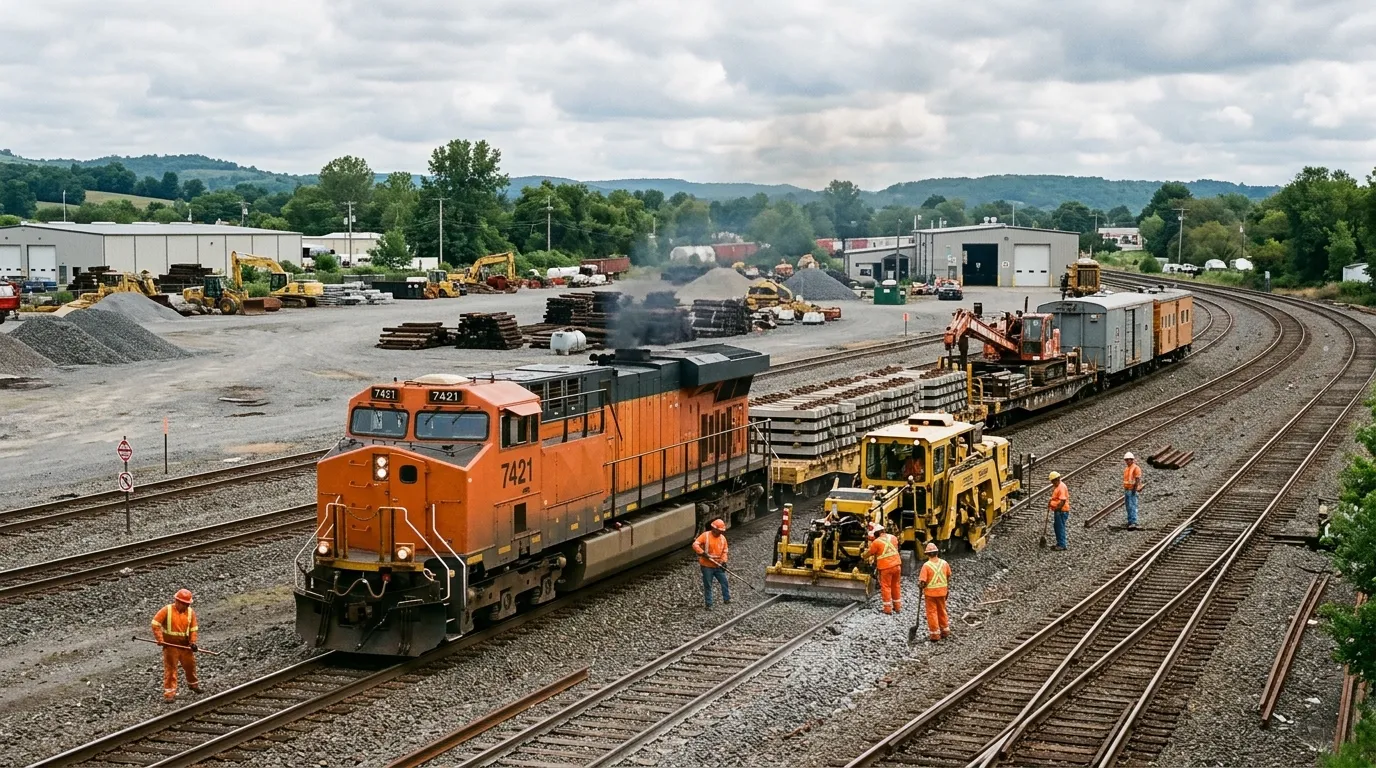
In addition to dispatching, many operators depend on broader contract railroad services to support daily rail activities. These services may include administrative support, safety coordination, compliance assistance, and operational management.
Contract railroad services are especially valuable for short-line railroads, industrial rail facilities, and regional operators that may not have large in-house operational teams.
Common services include:
- Rail operations management
- Safety procedure implementation
- Communication system monitoring
- Documentation and reporting
By outsourcing specialized rail functions, operators can focus on transportation performance while experienced contractors handle technical and operational responsibilities.
The Role of a Railroad Compliance Consultant
Railroads operate in one of the most highly regulated transportation industries. Safety rules, operational standards, and documentation requirements are essential to maintaining safe train movement and protecting employees and infrastructure.
Compliance consultants evaluate railroad operations, review procedures, and identify areas where improvements may be needed. Their work helps railroads maintain operational consistency while reducing the risk of violations or safety concerns.
Key Responsibilities of Compliance Consultants
Regulatory Assessments
Consultants review railroad operations to ensure compliance with industry regulations and operational standards.
Safety Program Reviews
They analyze safety programs and identify opportunities to strengthen procedures and operational awareness.
Documentation Support
Railroads must maintain accurate records related to training, operations, inspections, and communication systems.
Why Skilled Train Dispatchers Are Essential
A professional train dispatcher USA specialist plays a central role in railroad coordination and safety. Dispatchers manage train movement in real time while communicating with train crews, maintenance personnel, and operations teams.
Their responsibilities include:
- Authorizing train movement
- Coordinating track usage
- Managing train schedules
Because rail operations can change rapidly, dispatchers must remain alert and organized throughout every shift. Their ability to make fast, accurate decisions helps reduce delays and maintain safe rail movement.
As rail traffic volumes continue increasing, many operators rely on contract dispatching professionals to maintain reliable operations.
Technology and the Future of Rail Contract Services
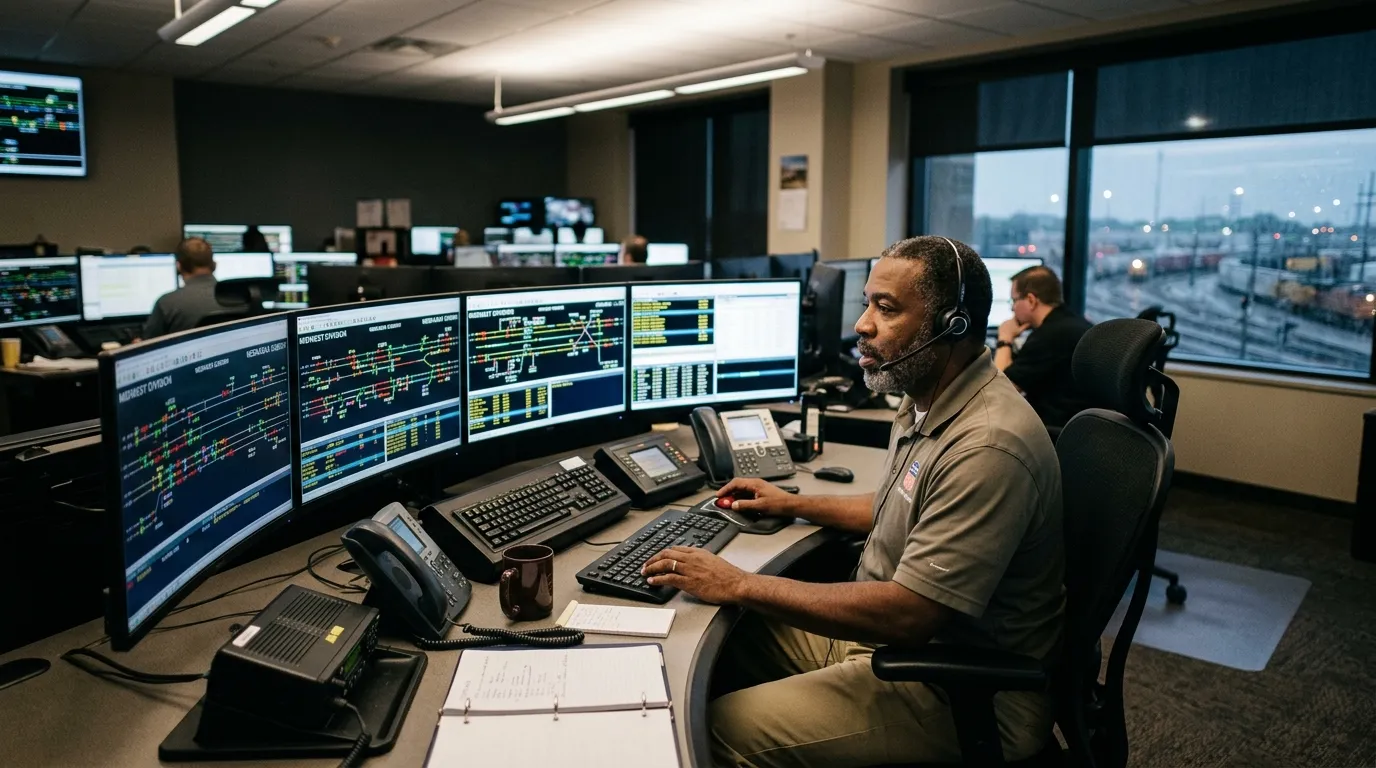
Technology is changing how railway contractor companies support rail operations. Modern dispatch systems, digital communication tools, and real-time monitoring platforms allow contractors to manage operations more efficiently than ever before.
Today’s rail contractors may use:
- Computer-aided dispatch systems
- GPS train monitoring tools
- Digital reporting platforms
- Real-time communication software
- Remote operational support systems
As the rail industry continues modernizing, technology-focused contractors are expected to become even more valuable in supporting rail safety and operational efficiency.
Final Thoughts
For railroads seeking dependable operational support, companies like RailRCS continue to contribute valuable expertise in dispatch coordination, compliance consulting, and rail support services. Their industry-focused approach helps support safer, more organized, and efficient rail operations across diverse transportation networks.
Frequently Asked Questions
1. What do railway contractor companies do?
Railway contractor companies provide specialized rail support services such as train dispatching, compliance consulting, operational coordination, communication management, and safety assistance for railroads and industrial rail facilities.
2. What is Contract Train Dispatching?
Contract Train Dispatching is an outsourced service where trained dispatch professionals manage train movement, rail traffic coordination, crew communication, and operational scheduling for railroads.
3. Why are contract railroad services important?
Contract railroad services help rail operators improve operational efficiency, reduce staffing challenges, maintain safety standards, and access experienced rail professionals without building large internal teams.
4. What does a Railroad Compliance Consultant do?
A Railroad Compliance Consultant helps railroads follow industry regulations, improve safety procedures, conduct operational audits, maintain documentation, and support regulatory compliance programs.
5. Why are skilled train dispatchers important in the USA rail industry?
A skilled train dispatcher USA professional helps coordinate train movement, manage schedules, improve communication, and support railroad safety by making real-time operational decisions across rail networks.
























Sign in to leave a comment.