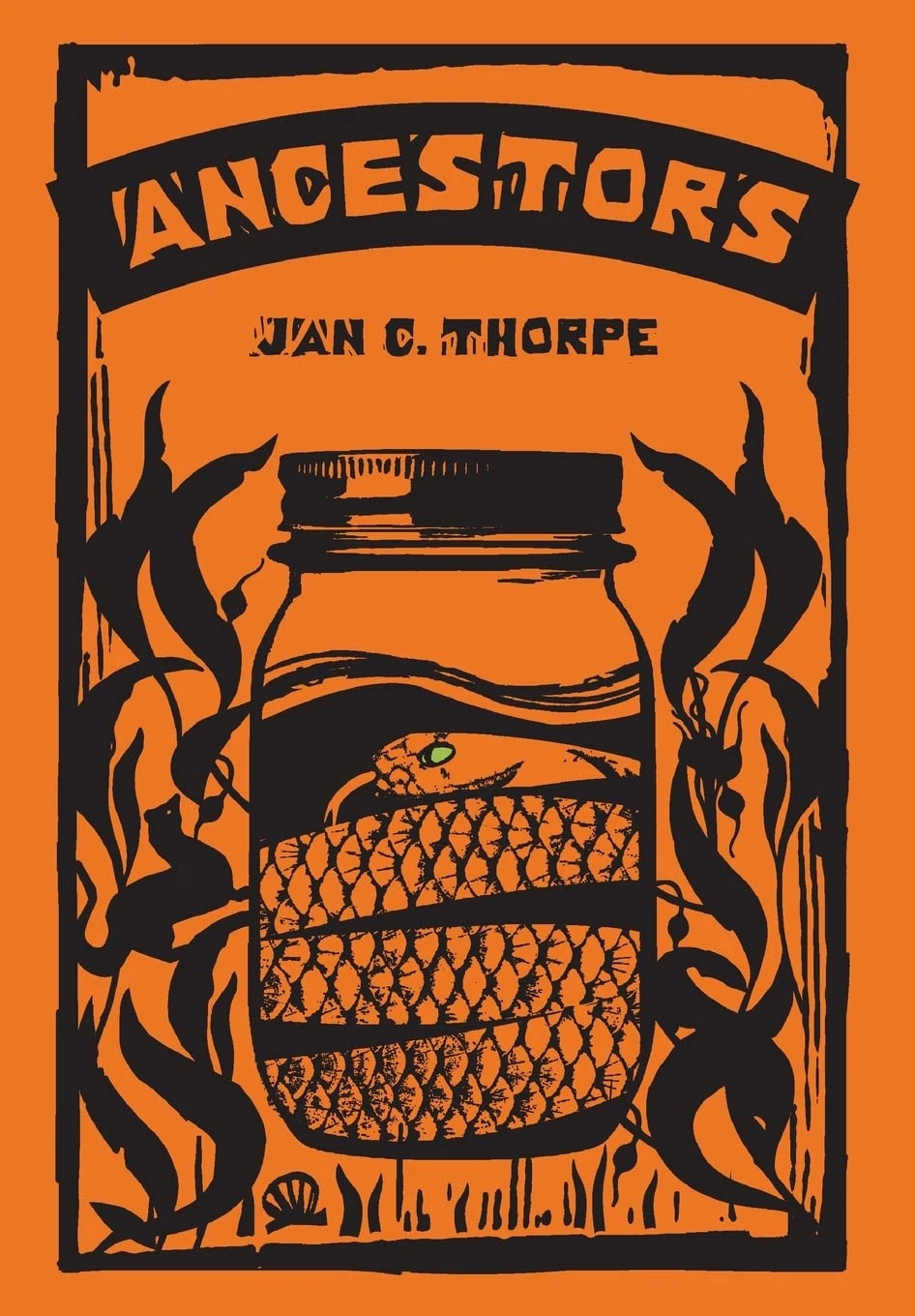

Storytelling has been a fundamental part of human culture since ancient times, serving as a means of passing down traditions, sharing experiences, and making sense of the world. In the context of therapy, narrative therapy harnesses the therapeutic potential of storytelling to help individuals process trauma, cultivate self-awareness, and promote emotional well-being. Jan C Thorpe\'s novel "Ancestors" provides a poignant portrayal of how narrative therapy techniques can be employed to navigate the complexities of intergenerational trauma and personal identity. In this blog, we will explore the profound healing effects of storytelling as depicted in "Ancestors" and its relevance to real-life therapeutic practices.
Understanding Narrative Therapy:
Narrative therapy is a form of psychotherapy that views individuals as the authors of their own stories. It emphasizes the importance of narrative in shaping one\'s identity and understanding of the world. In "Ancestors," characters like Rebecca engage in the process of storytelling to make sense of their family history, cultural heritage, and personal struggles. Through the act of narrating their experiences, they are able to gain insights into their emotions, beliefs, and relationships.
Processing Trauma:
One of the central themes of "Ancestors" is the intergenerational transmission of trauma and its impact on the characters\' lives. Through narrative therapy techniques, characters like Rebecca and her mother confront the painful memories of their ancestors and begin to unravel the tangled threads of their family history. By externalizing their trauma through storytelling, they are able to distance themselves from its overwhelming effects and gain a sense of agency over their own narratives. This process allows them to reframe their experiences, identify patterns of resilience, and find meaning in their suffering.
Fostering Self-Awareness:
Narrative therapy encourages individuals to explore the stories they tell themselves about who they are and how they relate to the world. In "Ancestors," characters engage in reflective storytelling as a means of deepening their self-awareness and understanding of their own motivations and desires. Through the guidance of a therapist or mentor, they learn to challenge self-limiting beliefs, confront internal conflicts, and cultivate a more compassionate relationship with themselves. By embracing multiple perspectives and rewriting their narratives, they are able to create new possibilities for growth and change.
Promoting Emotional Well-Being:
At its core, narrative therapy is about empowering individuals to reclaim authorship of their own lives and rewrite the stories that no longer serve them. In "Ancestors," we witness characters like Rebecca and her mother undergo profound transformations as they embrace the healing power of storytelling. By confronting their past traumas, honoring their cultural heritage, and forging deeper connections with their loved ones, they are able to find solace, resilience, and hope amidst adversity. Through the process of narrative therapy, they discover that their stories are not just tales of suffering, but also narratives of strength, resilience, and survival.
"Ancestors" offers a poignant exploration of the transformative potential of narrative therapy in navigating the complexities of trauma, identity, and healing. By embracing the power of storytelling, individuals can embark on a journey of self-discovery, empowerment, and emotional well-being. As we reflect on the lessons of "Ancestors," let us remember the profound truth that our stories have the power to shape our lives, illuminate our path forward, and ultimately, set us free.
























Sign in to leave a comment.