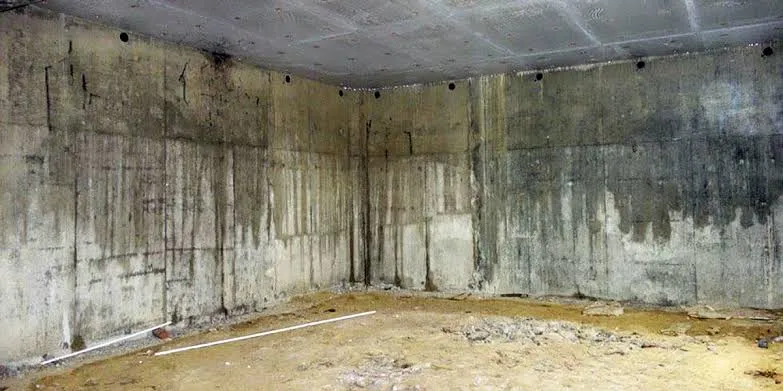

Most homeowners expect occasional maintenance issues as a house ages. Roof repairs, HVAC servicing, and plumbing fixes are common parts of long-term homeownership. Basement moisture, however, is one issue that often gets pushed aside until it becomes impossible to ignore.
A little dampness may not seem urgent at first. Many people assume minor water seepage is simply part of having a basement, especially in regions with heavy rainfall or snowy winters. Unfortunately, small moisture issues can slowly evolve into serious structural and indoor air quality concerns that become far more expensive to repair later.
Understanding how basement water problems develop — and why early action matters — can help homeowners protect both their property and their long-term investment.
Why Water Finds Its Way Into Basements
Basements sit below ground level, which naturally exposes them to moisture from surrounding soil. During heavy rainstorms or seasonal snowmelt, water accumulates around the home’s foundation. As pressure builds, moisture seeks the easiest path inside.
Even well-built homes can eventually develop vulnerabilities such as:
- Small foundation cracks
- Aging waterproof membranes
- Improper grading around the property
- Clogged drainage systems
- Failing sump pumps
- Poor gutter runoff management
In colder climates, repeated freeze-thaw cycles can make these problems worse over time. Soil expands when frozen and contracts when temperatures rise, placing continual stress on basement walls and foundations.
The result is often gradual seepage that homeowners may not immediately notice.
Early Signs That Shouldn’t Be Ignored
One reason basement moisture problems become severe is that the warning signs often appear subtle in the beginning. Homeowners may notice symptoms without realizing they indicate a larger issue.
Some of the most common early indicators include:
Musty Odors
Persistent damp smells are usually a sign of excess humidity or hidden mold growth. Even without visible water, moisture trapped behind walls or beneath flooring can create unhealthy conditions.
Efflorescence
White powdery residue on concrete or masonry surfaces forms when water passes through the material and leaves mineral deposits behind.
Peeling Paint or Warped Materials
Moisture can cause paint to bubble, wood to swell, and finished basement materials to deteriorate over time.
Cracks in Basement Walls
Not every crack signals major structural damage, but expanding cracks may indicate increasing pressure around the foundation.
Increased Humidity
A basement that constantly feels damp or humid often points to underlying water intrusion problems.
Addressing these signs early can help prevent larger repairs later.
How Moisture Impacts the Entire Home
Many homeowners think of the basement as a separate part of the house used mainly for storage. In reality, basement conditions affect the entire property more than most people realize.
Indoor Air Quality Concerns
Air naturally circulates upward throughout a home. Mold spores and excess humidity originating in the basement can spread into upper living areas, potentially affecting comfort and respiratory health.
Structural Damage
Long-term moisture exposure may weaken wood framing, damage support structures, and contribute to shifting foundations.
Energy Efficiency Problems
Damp air is more difficult to heat and cool efficiently. Basements with moisture issues often create higher energy costs because HVAC systems must work harder to regulate indoor conditions.
Reduced Property Value
Visible water damage, mold concerns, or foundation issues can become major red flags during home inspections when selling a property.
What begins as a minor leak can eventually affect nearly every aspect of homeownership if left unresolved.
Prevention Is More Affordable Than Major Repairs
One of the biggest misconceptions about basement waterproofing is that it always requires extensive excavation or major construction. In many situations, early intervention and proper maintenance can significantly reduce long-term risks.
Preventive measures may include:
- Cleaning gutters regularly
- Extending downspouts away from the foundation
- Improving yard grading
- Installing proper drainage systems
- Sealing small foundation cracks
- Maintaining sump pump systems
- Monitoring landscaping near the home
The key is identifying where water is coming from before significant damage develops.
Homeowners researching long-term protection options often explore solutions related to Milwaukee area basement waterproofing to better understand how regional weather patterns and soil conditions contribute to recurring moisture problems.
Why DIY Fixes Often Fall Short
When homeowners notice basement moisture, many turn to quick cosmetic fixes first. Waterproof paint, temporary sealants, or portable dehumidifiers may provide short-term improvement, but they rarely solve the underlying cause.
Water intrusion usually stems from external pressure, drainage failures, or structural vulnerabilities. Simply covering visible symptoms does not stop groundwater from interacting with the foundation.
In some cases, DIY repairs may even delay proper diagnosis while hidden damage continues to worsen behind walls or beneath flooring systems.
A more effective approach focuses on identifying the root cause rather than masking the symptoms.
The Importance of Long-Term Water Management
Effective basement waterproofing is not just about preventing puddles after a storm. It is part of a larger strategy for protecting the home’s structural integrity over time.
Long-term water management may involve:
Exterior Drainage Improvements
Redirecting water away from the foundation is often one of the most important preventive steps.
Interior Drainage Systems
Certain homes benefit from systems designed to manage water before it enters finished spaces.
Foundation Protection
Repairing cracks and reinforcing vulnerable areas can help reduce future water intrusion risks.
Moisture Control
Managing humidity levels helps prevent mold growth and protects finished basement materials.
The right solution depends on the home’s construction, surrounding landscape, and local environmental conditions.
Conclusion
Basement moisture problems rarely disappear on their own. Small leaks, damp odors, and hairline cracks are often early warnings of larger issues developing beneath the surface. By taking proactive steps early, homeowners can avoid more extensive structural damage, improve indoor comfort, and protect the long-term value of their property.
A dry basement is more than just a convenience. It plays a critical role in maintaining a healthier, safer, and more durable home for years to come.




























Sign in to leave a comment.