From chopping vegetables, cutting meat or even dicing a fruit to make a smoothie, your kitchen chopping board experiences constant use in any house kitchen. Have you ever wondered how your cutting board is doing lately? If your cutting board is plastic, take a much closer look at it.
We will also introduce vital details on the durability of plastic cutting boards, signals when to replace them, and valuable tips on achieving sanitary and ordinary functionality.
The Importance of Plastic Cutting Boards in the Everyday Kitchen
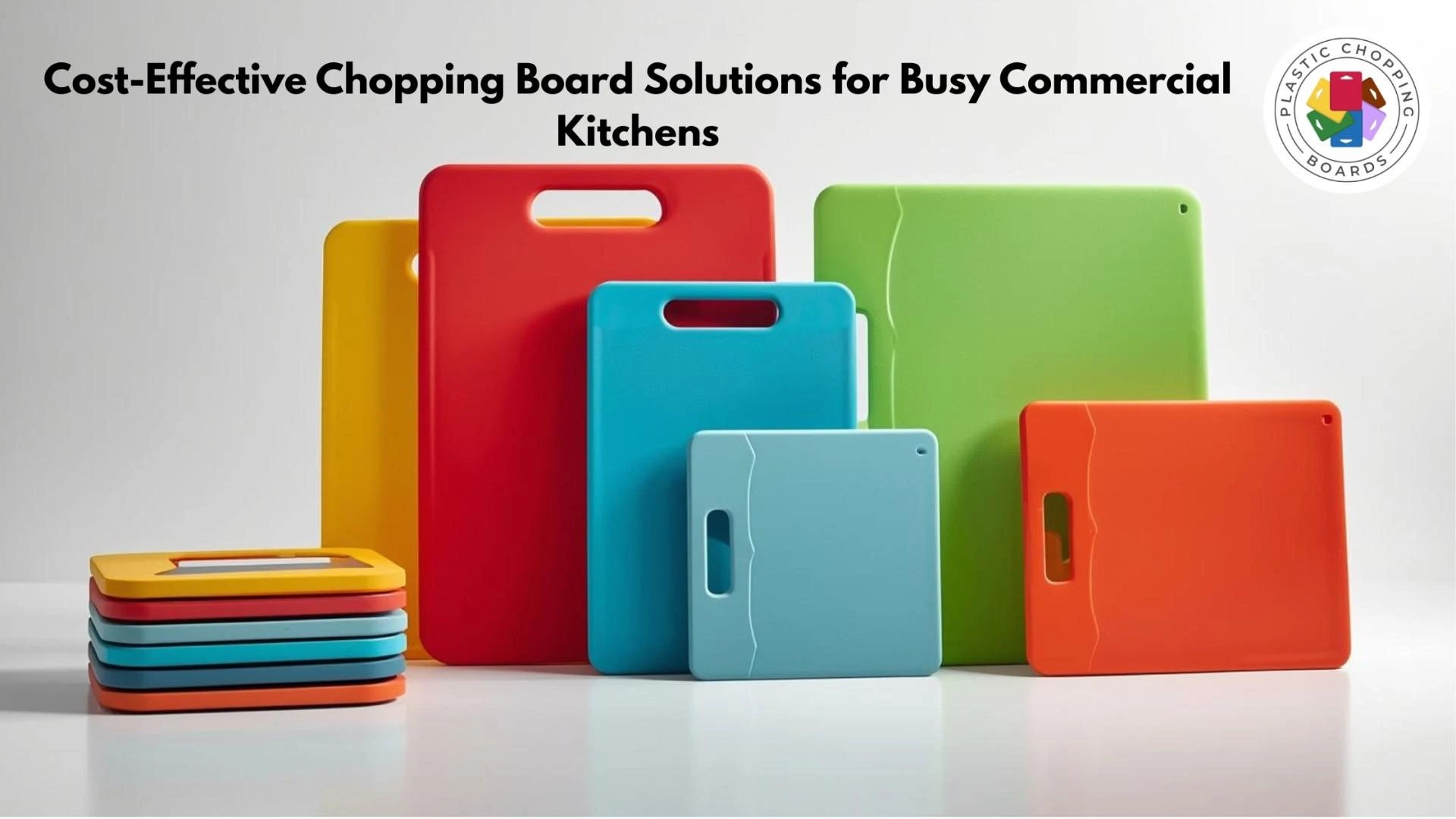
Plastic kitchen chopping boards are convenient, and they are widely used because they are lightweight, inexpensive, dishwasher safe, and available in every colour and size. Some home cooks use colour-coded boards for different foods to prevent cross-contamination (e.g., red for meat, green for vegetables).
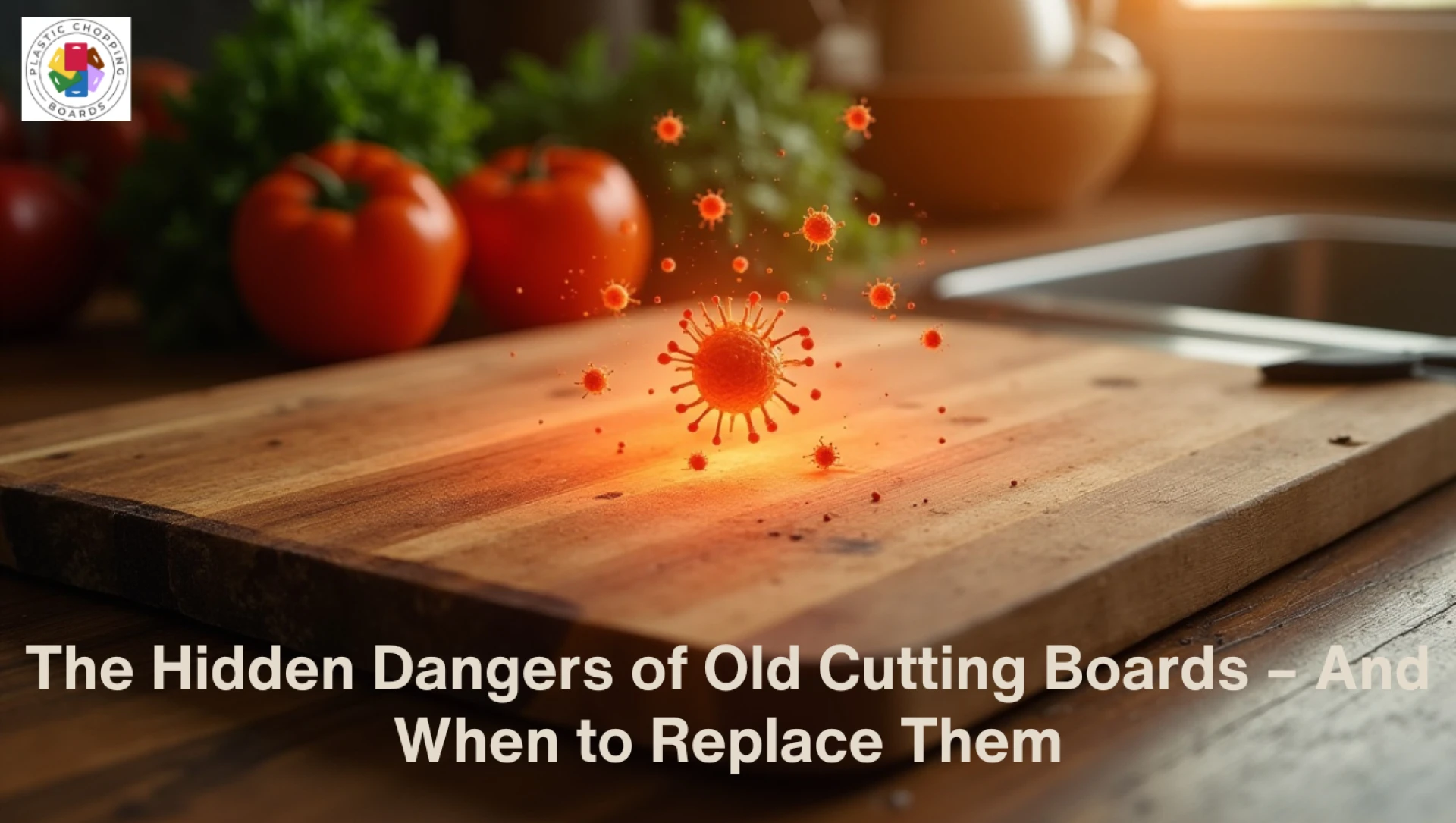
But even with these advantages, plastic boards are not invincible. Deep grooves and cuts develop over time, providing the ideal haven for bacteria. This is when even hygienic chopping boards can turn into a health risk.
Signs It's Time to Replace Your Plastic Chopping Board
You don't need to discard your board on the first scratch, but be sure to watch out for these tell-tale signs:
1. Deep Cuts and Grooves
If your board has accumulated many knife cuts that are hard to wash, even in the dishwasher, it might not be safe anymore. These cuts harbour bacteria, which can taint food.
2. Staining or Discoloration
Plastic boards can stain due to foods such as turmeric, beets, or raw meats. Discoloration can also indicate that your board is soaking up unwanted substances.
3. Lingering Odours
If your board stinks even after being cleaned, it's likely harbouring bacteria. That's a huge hygiene red flag.
4. Warping or Cracking
A cracked or warped board won't lie flat on your counter, making chopping hazardous. It will also catch food bits and moisture in hard-to-reach areas.
Tip: As a rule of thumb, replace plastic cutting boards every 12 to 24 months, depending on frequency of use and how well you maintain them.
Why Hygienic Cutting Boards Matter
Kitchen health and safety begin with what you can do, and your cutting board is a big part of that. Food-grade chopping boards always guarantee that they are made of safe material and will not leach harmful chemicals into your food.
If you are working with raw meat or seafood, bacteria (such as E. coli and Salmonella) can dwell in the grooves of an old board. High-quality chopping boards made from resilient material that resists cuts and is easy to Sanitise will help eliminate this risk.
How to Make Your Cutting Board Last Longer?
Before you go shopping for a new customised chopping board UK, here are a few tips to help you maintain your existing one and get the best life out of it:
- Wash hot, soapy water or put it in the dishwasher (if dishwasher-friendly) after each use.
- Keep separate boards for different food groups: meat, veg, fish, etc.
- Sanitise weekly using a vinegar, baking soda, or diluted bleach solution.
- Avoid extreme heat—don't use your cutting board as a trivet or place hot pans on it directly.
With good care, even a food-grade chopping board will last months or years.
Selecting the Right Plastic Cutting Board
If you're shopping for a replacement, here's what to seek:
- Material: Opt for a board constructed of BPA-free, food-grade plastic.
- Texture: The lightly textured finish prevents foods from slipping.
- Colour coding: Use a set for segregation by food type.
Customisation: Opt for a customised chopping board UK if you desire something trendy or can be branded for presenting as a gift.
Plastic vs Other Materials
Plastic boards are convenient, but compared to others?
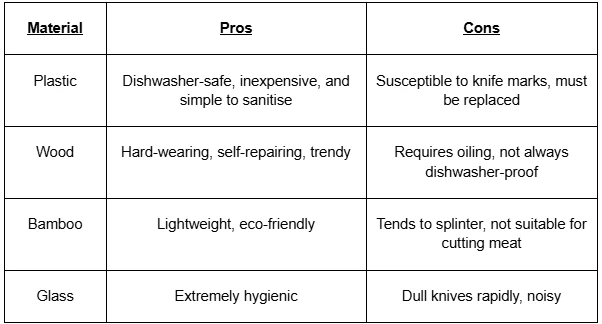
Regardless of material, hygienic chopping boards must be properly maintained and replaced promptly to remain safe.
Final Verdict: When Should You Replace Plastic Cutting Boards?
Replace your plastic kitchen chopping board if:
- It has deep scratches and cuts
- It smells or stains
- It warps or becomes unsafe
- You've had it for more than 2 years of constant use
- If you use your board daily, play it safe and replace it earlier.
Time to Upgrade?
At Plastic Chopping Boards, you can find fashionable, long-lasting, and bespoke chopping boards that UK consumers adore. Whether you need clean chopping boards for your home or a food-grade chopping board set for your kitchen team, they have you covered.
Discover their collection of top-of-the-range chopping boards today and give your kitchen a safer, more fashionable look.


























Sign in to leave a comment.