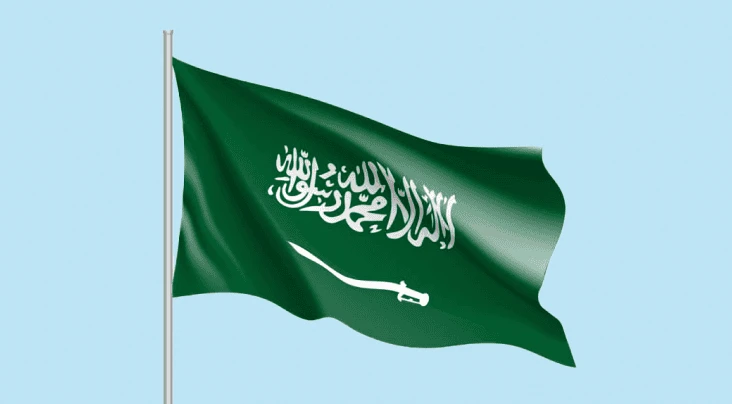
The Saudi market is booming—especially for healthcare, pharmaceuticals, medical devices, and cosmetic companies. But for global brands, success here isn’t just about product quality or innovation. It hinges on your ability to navigate one of the Middle East’s most intricate regulatory environments.
The Saudi Food and Drug Authority (SFDA) has set high standards to ensure public safety and market integrity. While that’s good for consumers, it presents a steep learning curve for businesses. To stay competitive, international companies must make regulatory compliance in Saudi Arabia a top priority.
What Makes the Saudi Regulatory Framework Unique?
Unlike other global markets, Saudi Arabia enforces a highly centralized and structured approach to regulatory approvals. Every product category—be it a pharmaceutical, a food supplement, or a medical device—must undergo SFDA evaluation. This includes:
Core Compliance Requirements
- Correct product classification based on risk or composition
- Local representation through a Saudi-registered Authorized Representative
- Full technical documentation and labelling in Arabic and English
- Compliance with regional GMP or ISO standards (e.g., ISO 13485 for devices)
- Electronic submissions like eCTD or MDMA
Even minor mistakes—wrong classification, incomplete dossiers, or missing certificates—can delay approvals or result in outright rejection.
Why International Companies Struggle Without Local Insight
Saudi Arabia’s regulations aren’t just strict—they evolve quickly. The SFDA often revises procedures, platform guidelines, and compliance requirements with little notice. For companies unfamiliar with Arabic documentation, local regulations, or the online portals used for product submissions, it can feel overwhelming.
This is why so many companies now turn to specialized SFDA consulting partners who can act as both guides and gatekeepers.
The Role of Strategic Regulatory Support
Working with local regulatory experts is no longer optional for companies looking to register their products in KSA. These partners:
What Expert Support Typically Includes
- Translate complex requirements into actionable steps
- Compile and submit SFDA-compliant dossiers
- Act as your local point of contact with authorities
- Track changes to laws and update your compliance strategy accordingly
- Help you avoid common pitfalls, saving time and money
One such trusted partner is Freyr, a global regulatory solutions provider. Their local presence and deep experience help businesses fast-track market entry and stay compliant throughout the product lifecycle.
If you’re looking for expert-led regulatory services in Saudi Arabia, Freyr offers full-spectrum support across pharmaceuticals, medical devices, cosmetics, and more.
Conclusion
Saudi Arabia is not a “plug and play” market. It rewards those who invest in local knowledge, preparation, and compliance. By partnering with experienced regulatory consultants, you don’t just meet SFDA standards—you beat the market entry bottleneck.
The companies that succeed in Saudi Arabia aren’t always the biggest. They’re the ones that are best prepared.































Sign in to leave a comment.