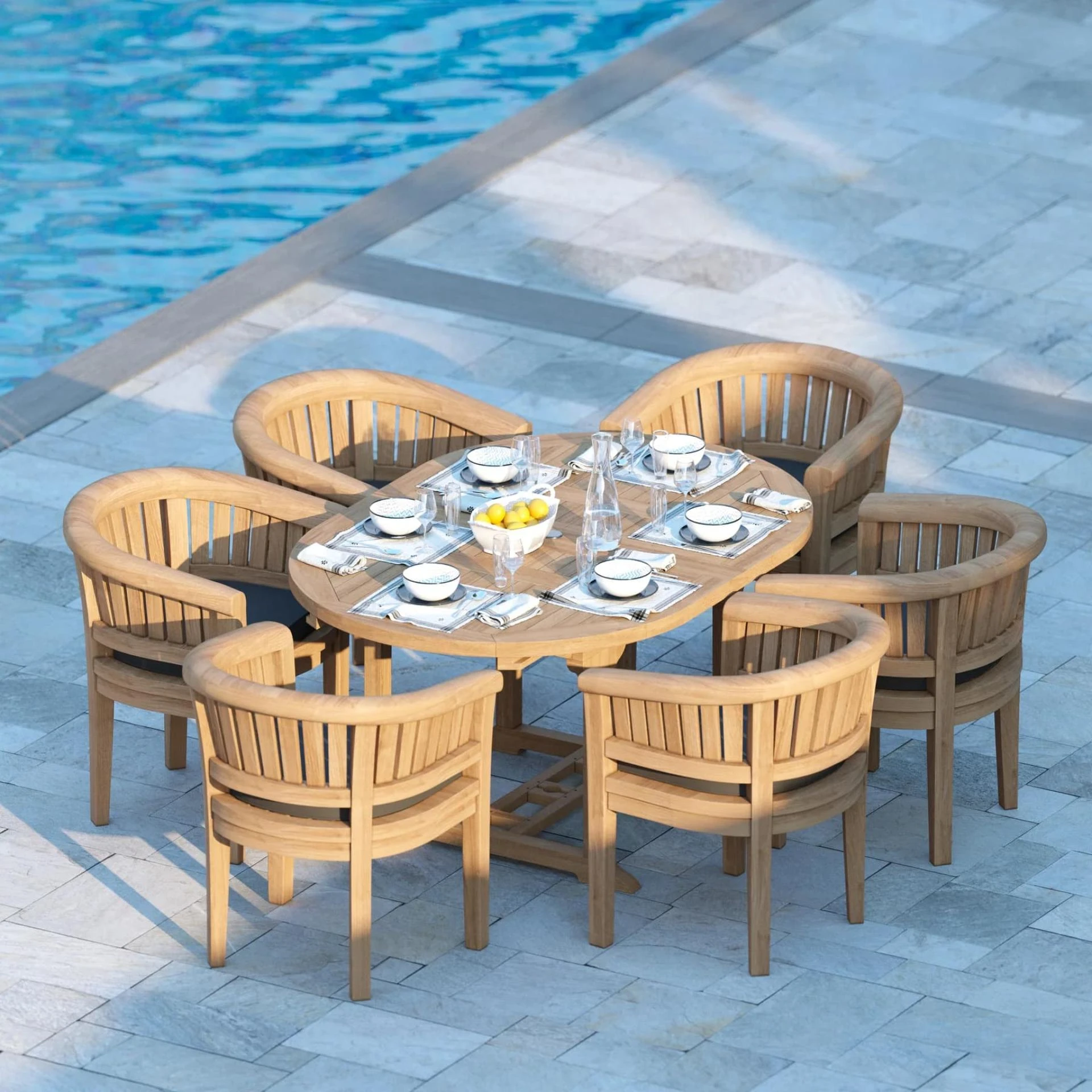

In the realm of interior design and outdoor decor, furniture teak stands out as a paragon of quality and elegance. Valued for its durability, natural beauty, and resistance to the elements, teak has carved a niche in both traditional and contemporary settings. Understanding the rich history and heritage surrounding teak furniture provides insight into why it remains a timeless classic today. This article delves into the origins of teak, its journey through different cultures, and the reasons behind its enduring appeal.
The Origins of Teak
Teak, scientifically known as Tectona grandis, is native to Southeast Asia, particularly in countries like Myanmar, Thailand, and India. This majestic tree thrives in tropical climates, where it can grow up to 100 feet tall. The history of teak furniture dates back centuries, with its use in the construction of ships and palaces due to its remarkable properties. The natural oils present in teak make it resistant to water and insects, which is why it was often the wood of choice for naval vessels.
The ancient Burmese and Indian civilizations recognized the strength and beauty of teak, using it to build everything from temples to furniture. The craftsmanship associated with teak furniture evolved in these regions, where artisans honed their skills to create intricate designs that showcased the wood's natural grain. As trade routes expanded, teak began to make its way to other parts of the world, paving the way for its global appreciation.
The Rise of Teak Furniture in Europe
By the 17th century, European colonization played a pivotal role in the spread of teak furniture. The British East India Company, in particular, played a significant part in exporting teak from Southeast Asia to Europe. As British sailors returned to their homeland, they brought with them not only exotic goods but also the knowledge of teak's exceptional qualities.
During the colonial period, teak furniture became synonymous with luxury and sophistication in Europe. It adorned the homes of the aristocracy and was often used in the construction of grand estates. The intricate carvings and detailed craftsmanship of teak furniture captivated the European elite, leading to a demand that only increased over time. This period solidified teak's reputation as a symbol of status, and it became a staple in both traditional and modern interiors.
The Influence of Asian Artistry
As teak furniture spread across continents, it absorbed various cultural influences, particularly from Asia. In countries like Indonesia and Thailand, artisans incorporated their unique styles and techniques into the construction of teak furniture. The intricate carvings and patterns found in these pieces reflect the rich heritage of their creators.
In Indonesia, for instance, the traditional craftsmanship of carving intricate motifs into teak wood showcases a deep appreciation for nature and spirituality. These designs often feature floral patterns, animals, or mythological figures, creating a narrative that resonates with the culture. Similarly, in Thailand, teak furniture is often adorned with gold leaf and lacquer finishes, adding a layer of opulence to the pieces.
This blend of Asian artistry with the inherent qualities of teak wood has resulted in a diverse range of furniture styles. From minimalist designs to ornate masterpieces, teak furniture appeals to a wide audience, making it a versatile choice for various home aesthetics.
The Modern Era of Teak Furniture
In recent years, the demand for teak furniture has surged, driven by a growing appreciation for sustainable and eco-friendly materials. As consumers become more conscious of their environmental impact, teak's sustainable sourcing has come into the spotlight. Responsible harvesting practices ensure that teak forests are preserved for future generations, allowing for a continuous supply of this beloved wood.
Moreover, modern design trends have embraced the natural beauty of teak. Its warm tones and rich textures provide a striking contrast in contemporary spaces, making it a favored choice for both indoor and outdoor furniture. The versatility of teak allows it to complement various design styles, from rustic to minimalist, ensuring that it remains a staple in modern homes.
Caring for Teak Furniture
Understanding the history and heritage of teak furniture is essential, but knowing how to care for it is equally important. Proper maintenance ensures that the beauty and durability of teak are preserved over time. One of the most significant advantages of teak is its natural oils, which provide a protective barrier against moisture and pests. However, exposure to sunlight can cause the wood to fade over time.
To maintain the luster of teak furniture, it is advisable to regularly clean it with a mild soap solution and a soft cloth. This simple practice helps remove dirt and grime while preserving the wood's natural oils. For outdoor teak furniture, applying a teak protector can enhance its resistance to the elements and maintain its rich color.
Additionally, when storing teak furniture, it is essential to keep it in a dry, shaded area to prevent damage from extreme weather conditions. Using covers during harsh weather is a practical approach to prolonging the life of the furniture. Ultimately, a little care goes a long way in ensuring that teak furniture remains a timeless classic.
The Cultural Significance of Teak Furniture
Beyond its physical attributes, teak furniture holds cultural significance in many societies. In Southeast Asia, teak wood is often associated with craftsmanship and tradition. The art of creating teak furniture is passed down through generations, with families often carrying on the legacy of their forebears. This cultural connection fosters a sense of pride among artisans and consumers alike, as each piece tells a story of heritage and skill.
In Western cultures, teak furniture has become a symbol of enduring quality. Its ability to withstand the test of time speaks to the values of craftsmanship and sustainability that many modern consumers prioritize. As people increasingly seek to create spaces that reflect their values, teak furniture stands as a testament to a commitment to quality and heritage.
Conclusion
In conclusion, the history and heritage of teak furniture reveal a rich tapestry of craftsmanship, cultural significance, and timeless appeal. From its origins in Southeast Asia to its rise in European aristocracy, teak has earned its place as a beloved material in the world of furniture design. With a growing emphasis on sustainability and responsible sourcing, the future of teak furniture looks brighter than ever.
For those looking to incorporate this beautiful wood into their homes, Eterna Home offers a stunning selection of teak furniture that embodies quality and elegance. Explore their collection today and discover how teak can elevate your living spaces into timeless sanctuaries of style.




























Sign in to leave a comment.