
The COVID-19 pandemic sent shockwaves through the global economy, and the luxury apparel market was no exception.
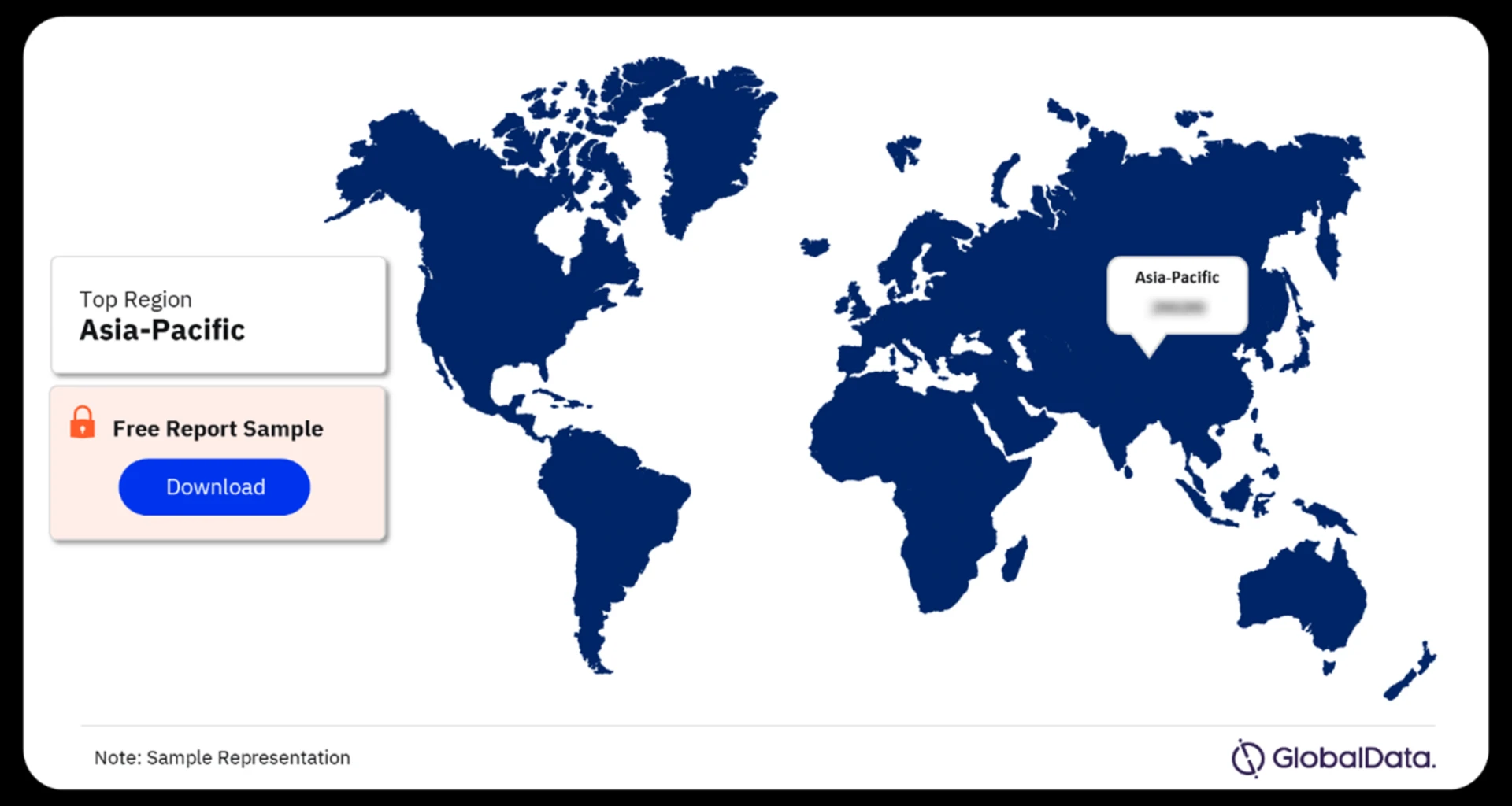
Buy the Full Report for More Regional Insights into the Luxury Apparel Market, Download a Free Report Sample
This analysis explores the impact of the pandemic on this once-booming industry and the road to recovery.
A Sudden and Sharp Decline:
Lockdowns and Travel Restrictions: Store closures, travel restrictions, and social distancing measures significantly hampered consumer spending on luxury apparel. Events like weddings and red carpets, key drivers of luxury purchases, were postponed or cancelled.Shifting Priorities and Economic Uncertainty: With job insecurity and economic uncertainty, consumers prioritized essential goods over luxury purchases.Supply Chain Disruptions: Global lockdowns disrupted supply chains, leading to production delays and inventory shortages for luxury brands.Adapting to a New Reality:
The Rise of E-commerce: With physical stores closed, luxury brands pivoted to online platforms, experiencing a surge in e-commerce sales. Brands invested in user-friendly online experiences and social media marketing to reach customers virtually.Focus on Casual Luxury and Loungewear: As people adopted work-from-home lifestyles, demand shifted towards comfortable yet luxurious clothing like loungewear and athleisure.Sustainability in the Spotlight: The pandemic heightened consumer interest in sustainable practices, prompting luxury brands to promote their eco-friendly credentials and ethical sourcing initiatives.The Uneven Recovery:
Luxury Rebounds, But Not for All: The luxury market is experiencing a rebound in 2023 and 2024, driven by pent-up demand and a return to social gatherings. However, the recovery is uneven across regions and brands.China's Rising Power: China has emerged as a major driver of the luxury market recovery, with domestic consumption surging as travel restrictions remain in place.The Future of Retail: The pandemic has accelerated the shift towards online shopping, but physical stores remain crucial for brand experience and customer service. Luxury brands are likely to adopt a hybrid model, leveraging both online and offline channels.Long-Term Trends and Challenges:
Focus on Digital Innovation: Luxury brands will continue to invest in digital tools like virtual reality for product try-ons and personalized online shopping experiences.Sustainability as a Competitive Advantage: Consumers will increasingly expect transparency and ethical practices from luxury brands. Sustainable materials, production processes, and labor practices will be key differentiators.The Evolving Consumer: Luxury brands need to cater to the evolving preferences of a new generation of luxury consumers who are digitally savvy, socially conscious, and value experiences over mere possessions.Conclusion:
The COVID-19 pandemic forced the luxury apparel market to adapt. While challenges remain, the industry has shown resilience and a willingness to embrace change. By focusing on digital innovation, sustainability, and catering to a new generation of luxury consumers, the market can emerge stronger and more relevant in the post-pandemic era.









Sign in to leave a comment.