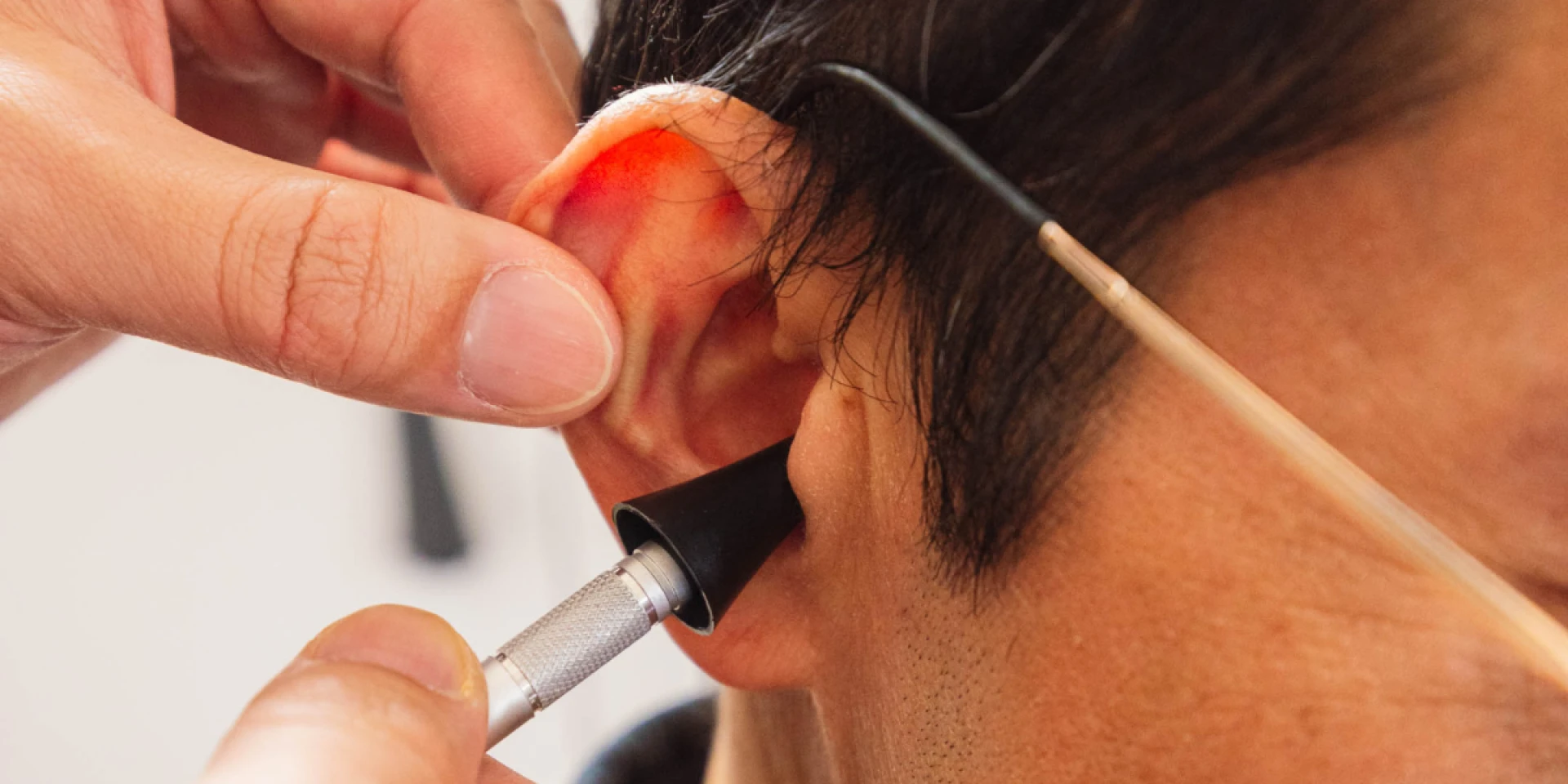

Relief Sound therapy is one of the most practical, evidence-based tools in tinnitus management, especially when tinnitus becomes persistent. If you are looking for tinnitus relief in Melbourne, a common question is simple: how much sound therapy is enough to make a difference?
Understanding Chronic Tinnitus and the Need for Long-Term Management
Chronic tinnitus is not just “ringing that won’t go away.” For many people, it affects sleep, concentration, stress levels, and day-to-day enjoyment. The goal is not always to erase tinnitus instantly, but to reduce its impact so it becomes less intrusive.
What Makes Tinnitus “Chronic”?
Tinnitus is often considered chronic when it persists for months and becomes part of your daily experience. At that stage, your nervous system and brain responses play a major role in how noticeable or distressing it feels.
Why the Brain Plays a Central Role
Your auditory system does not work in isolation. The brain filters, prioritises, and reacts to sound. When tinnitus is present, the brain can lock onto it, especially in quiet environments. That is why brain retraining and neural adaptation concepts matter in tinnitus treatment.
How Sound Therapy Supports Tinnitus Relief
Sound therapy reduces the contrast between silence and tinnitus. When you introduce consistent, gentle sound, tinnitus often feels less sharp and less dominant.
Sound Therapy and Habituation
Habituation is the process where the brain learns tinnitus is not a threat and stops giving it so much attention. Sound therapy supports this by creating steady sound input that helps the brain settle.
Types of Sound Therapy Used Clinically
Clinically, sound therapy may include broadband sounds like white noise or pink noise, environmental recordings such as waves or rain, sound generators, and mobile apps. For some people, hearing aids with built-in sound therapy features are part of the plan.
The Impact of Daily Hours of Sound Therapy on Tinnitus Relief
More Daily Hours, Greater Relief
In many cases, more daily hours of sound therapy supports better outcomes, because the brain gets more consistent sound input.
Minimum Effective Daily Use
There is no universal number, but consistent daily use is typically more effective than occasional use. A tailored plan makes this easier and more realistic.
Combining Sound Therapy With Other Evidence-Based Approaches
Sound Therapy and Hearing Aids
If hearing loss is present, hearing aids can help by improving access to everyday sound and supporting tinnitus management.
Counselling and Education
Education reduces fear and uncertainty, and counselling can reduce distress. Together with sound therapy, this often improves long-term results.
How NeuroHearing Supports Tinnitus Relief
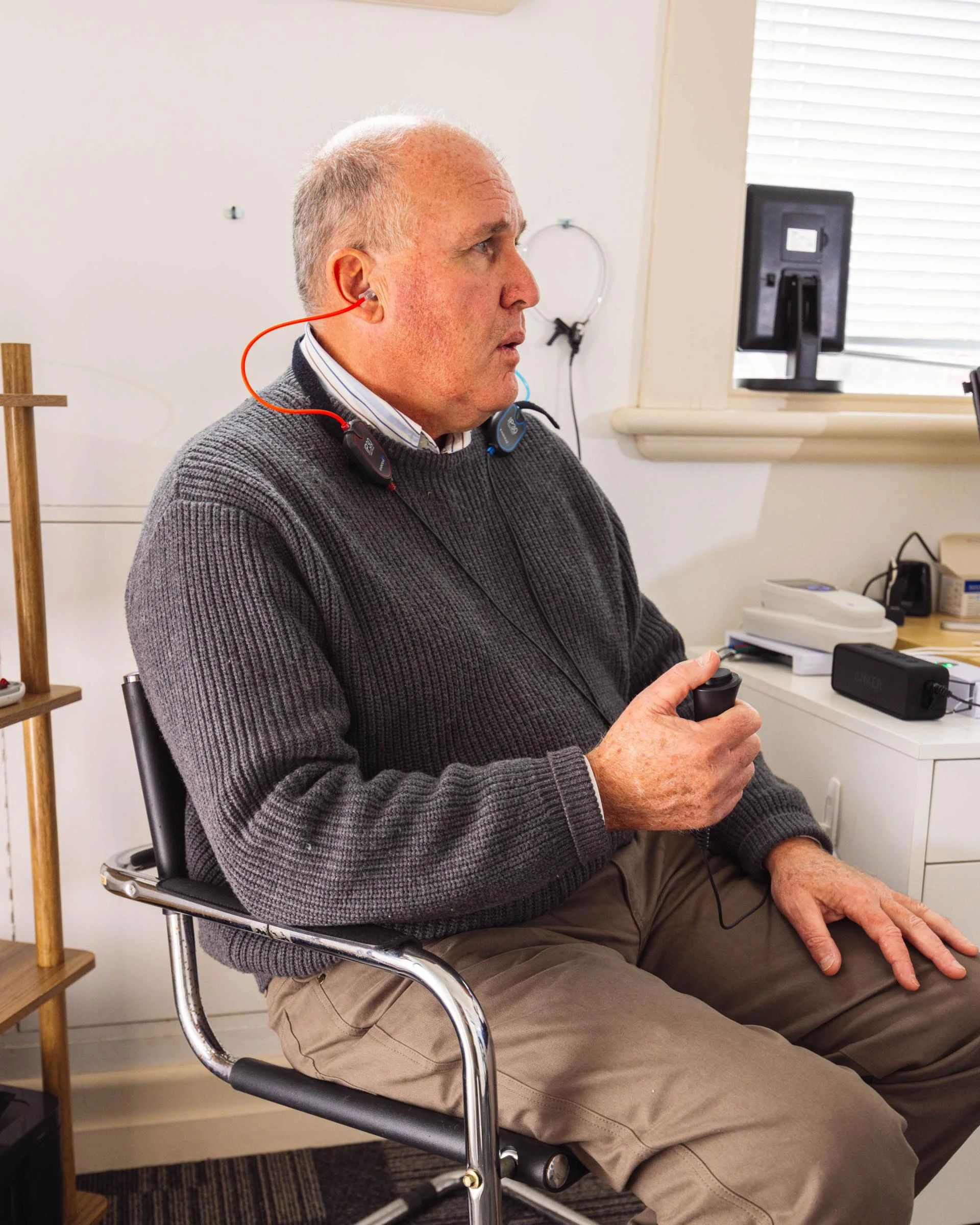
NeuroHearing provides personalised sound therapy and hearing care, with ongoing support and adjustment over time. Assessments can include otoscopy, pure tone audiometry (PTA), speech testing, and tinnitus questionnaires.
Conclusion
Daily sound therapy works best when it is consistent, personalised, and supported by proper clinical care. If you want a tinnitus treatment plan that fits your life, visit us and contact us to book a tinnitus assessment and start moving toward real relief.





























Sign in to leave a comment.