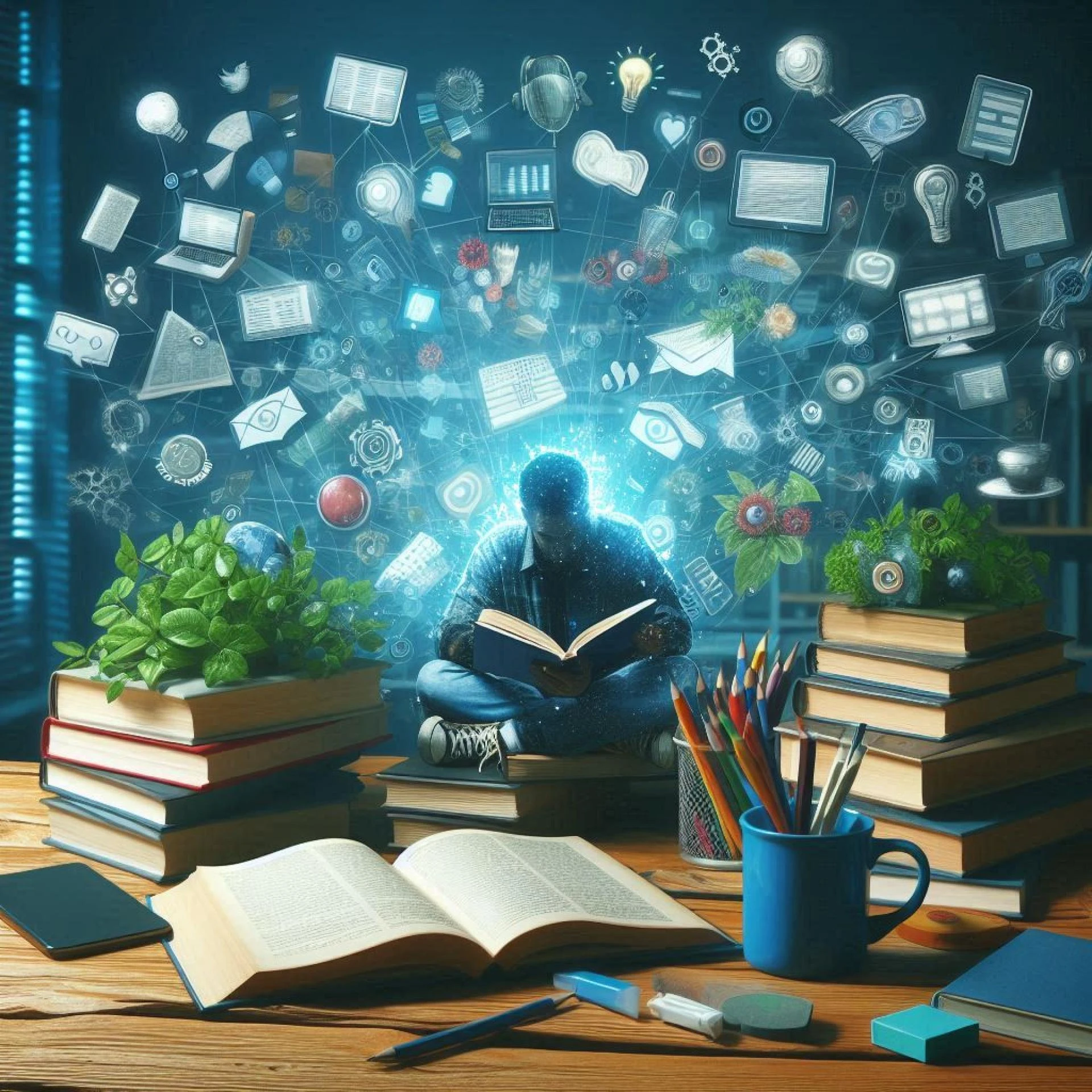

In the digital age, where scrolling has replaced page-turning for many, social media has become a dominant force shaping how we consume information. Platforms like Instagram, TikTok, Twitter (now X), and Facebook offer quick, bite-sized content designed for instant gratification. While this shift has changed how we communicate and stay informed, it has also raised important questions: How is social media affecting our reading habits? Are we gaining more knowledge or losing something valuable in the process?
A Shift from Deep to Surface Reading
One of the most noticeable impacts of social media is the decline in deep, focused reading. Many users spend hours every day skimming captions, tweets, and headlines without fully absorbing the content. This constant flow of short, attention-grabbing posts trains the brain to seek quick information, making it harder to sit with longer texts that require concentration—like novels, essays, or academic articles.
People often report that they "used to read more books" before social media took up so much of their time. The habit of picking up a book and staying engaged for hours is being replaced by frequent but fragmented scrolling sessions.
Reduced Attention Span
With algorithms designed to keep users hooked, social media thrives on fast-paced content. The average attention span online is now just a few seconds, and this has a ripple effect on traditional reading habits. Many find it difficult to focus on long-form reading without checking their phones or feeling the urge to multitask.
This shift impacts not just pleasure reading, but also academic and professional reading—areas where deep understanding is crucial. The inability to focus for extended periods makes it harder to engage with complex ideas or follow multi-layered narratives.
Information Overload and Fatigue
Social media exposes users to a constant stream of information, opinions, and updates. While access to information has never been easier, the sheer volume can be overwhelming. This phenomenon, often called "information overload," leads to mental fatigue and decreases the desire to engage in thoughtful reading.
Rather than diving into a book or a meaningful article, users might choose the comfort of endless scrolling—easier, faster, and less mentally demanding.
The Bright Side: Reading Communities and Book Culture
However, it's not all negative. Social media has also given rise to vibrant reading communities. Platforms like BookTok (on TikTok) and Bookstagram (on Instagram) have inspired millions to discover and discuss books. These communities bring together readers from around the world, share reviews, recommend titles, and even revive interest in classic literature.
Authors and publishers also use social media to reach readers directly, promoting new releases and engaging in discussions. For many, this exposure has led to increased reading, especially among younger generations who might not have been exposed to books otherwise.
Balancing Screen Time and Page Time
The challenge, then, is not to reject social media entirely, but to find a healthy balance. Setting aside dedicated time for reading—without distractions—can help rebuild focus and rekindle the joy of getting lost in a story. Digital well-being tools, reading challenges, or even joining online book clubs can support this balance.
Parents, educators, and individuals alike can promote mindful consumption of digital content while encouraging traditional reading practices. Small habits—like reading before bed instead of scrolling—can make a big difference over time.
Conclusion
Social media has undeniably transformed our reading habits—both positively and negatively. While it has contributed to shorter attention spans and surface-level reading, it has also created spaces that celebrate books and literature in new and exciting ways. The key lies in being intentional. By being aware of how we engage with content, we can ensure that reading—deep, meaningful, and enriching—remains a valued part of our lives in the digital era.




























Sign in to leave a comment.