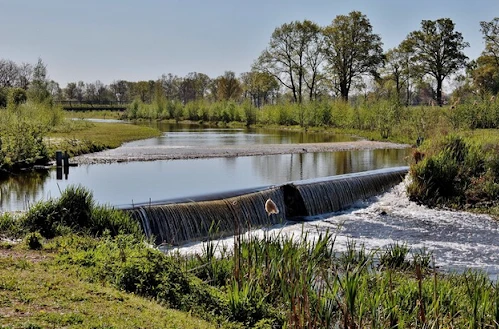

As urban areas continue to expand and evolve, the importance of a sustainable drainage strategy has come to the forefront of urban planning and development. This approach is essential for managing surface water runoff in a way that mimics natural processes, ensuring that urban environments remain resilient, environmentally friendly, and functional. A sustainable drainage strategy encompasses a variety of techniques and methodologies designed to enhance water management, improve water quality, and reduce the risk of flooding.
In this article, we will delve into the significance of implementing such strategies within urban development, highlighting their multifaceted benefits and the implications for future city planning.
Understanding Sustainable Drainage Strategies
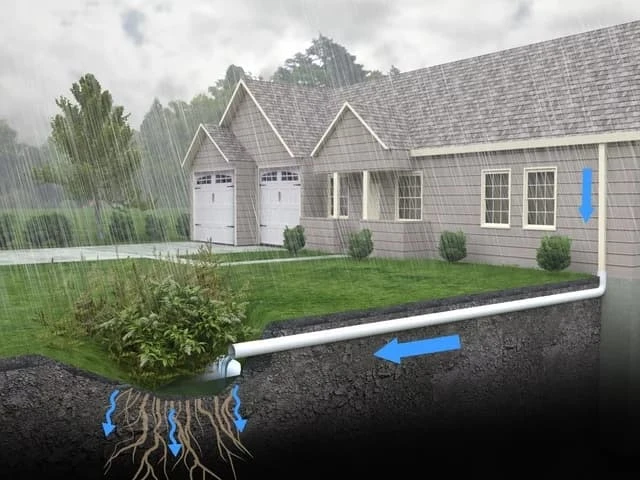
At its core, a sustainable drainage strategy (SuDS) aims to manage rainwater where it falls, rather than directing it to traditional drainage systems that may be ill-equipped to handle increased volumes of water, particularly during heavy rainfall. The principles of SuDS focus on reducing runoff, promoting infiltration, and enhancing water quality through natural processes. Techniques may include permeable pavements, green roofs, rain gardens, and swales, all of which work to slow down and filter rainwater, allowing it to recharge groundwater supplies and reduce the burden on drainage systems.
Implementing a sustainable drainage strategy is not just about managing water; it is about creating a holistic approach that considers the interplay between urban infrastructure, the environment, and community needs. This integrated perspective ensures that urban development is sustainable and resilient, ultimately benefiting both current residents and future generations.
Mitigating Flood Risks
One of the most pressing challenges faced by urban areas today is the increasing risk of flooding due to climate change and the rising frequency of extreme weather events. Traditional drainage systems often struggle to cope with the volume of water generated during intense storms, leading to surface runoff, road flooding, and property damage. A well-designed sustainable drainage strategy can significantly mitigate these risks.
By implementing SuDS, cities can effectively manage stormwater runoff, reducing the volume and speed at which water enters drainage systems. For instance, swales and bioretention areas can capture and filter rainwater, allowing it to percolate into the ground rather than overwhelming drainage pipes. This approach not only helps to prevent flooding but also minimizes erosion and protects watercourses from sedimentation and pollution. As a result, urban areas become more resilient to the impacts of climate change.
Enhancing Water Quality
Another critical aspect of a sustainable drainage strategy is its role in improving water quality. Urban runoff often carries pollutants—such as oils, heavy metals, and debris—into local waterways, which can harm aquatic ecosystems and pose risks to public health. By incorporating natural filtration processes into drainage designs, SuDS can effectively capture and treat these pollutants before they reach water bodies.
For example, green roofs and rain gardens not only absorb rainwater but also filter out contaminants, promoting cleaner water entering the drainage systems. This naturally occurring filtration process is crucial for maintaining the health of local ecosystems and ensuring that urban development does not compromise water quality.
Promoting Biodiversity and Green Spaces
Sustainable drainage strategies also provide an opportunity to integrate green spaces into urban environments. By incorporating features such as bioswales, green roofs, and permeable landscaping, cities can create habitats for wildlife, enhance biodiversity, and improve the overall quality of urban life. These green spaces not only support local flora and fauna but also contribute to the aesthetic appeal of neighborhoods.
Furthermore, the presence of green infrastructure has been linked to numerous social benefits, including improved mental well-being and community cohesion. Parks, gardens, and natural landscapes can serve as gathering places for residents, fostering a sense of community and encouraging outdoor activities. Thus, a sustainable drainage strategy extends beyond water management; it is a catalyst for enhancing urban livability.
Cost-Effectiveness and Long-Term Savings
While the initial investment in sustainable drainage strategies may seem significant, the long-term benefits far outweigh the costs. By preventing flooding and reducing the need for costly repairs to traditional drainage systems, SuDS can lead to substantial savings over time. Additionally, these strategies can prolong the lifespan of existing infrastructure, minimizing the need for frequent upgrades and maintenance.
Moreover, sustainable drainage strategies can enhance property values in urban areas. Homes and businesses located near green spaces and well-managed drainage systems are often viewed more favorably by prospective buyers and tenants. This increased desirability can translate into higher property values and economic returns for communities.
The Role of Collaboration and Regulation
Implementing a successful sustainable drainage strategy requires collaboration among various stakeholders, including urban planners, engineers, local authorities, and the community. Engaging with residents during the planning process ensures that the unique needs and preferences of the community are taken into account, fostering a sense of ownership and responsibility towards local water management.
Regulatory frameworks also play a crucial role in promoting sustainable drainage practices. Local governments can establish guidelines and standards that encourage the incorporation of SuDS in new developments and renovations. By providing incentives for sustainable practices, authorities can drive the adoption of innovative drainage solutions that benefit both the environment and urban communities.
Conclusion: A Path Forward for Urban Development
In conclusion, the importance of a sustainable drainage strategy in urban development cannot be overstated. As cities face increasing challenges related to flooding, water quality, and environmental sustainability, the integration of SuDS offers a viable and effective solution. By managing rainwater naturally, enhancing biodiversity, and promoting community well-being, sustainable drainage strategies represent a forward-thinking approach to urban planning.
Businesses like Onn Point Civil Engineering are well-equipped to assist in the design and implementation of sustainable drainage strategies that align with the goals of urban development. By leveraging their expertise, cities can create resilient and thriving environments that prioritize both infrastructure and quality of life for their residents. Embracing sustainable practices in drainage design is not just an option; it is an imperative for the future of urban living.










Sign in to leave a comment.