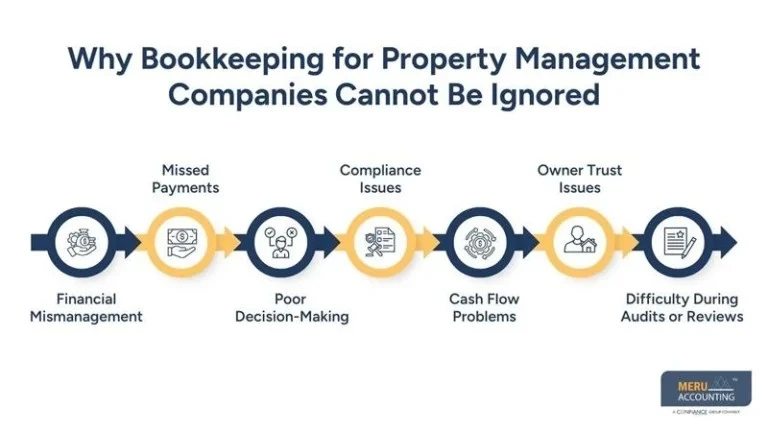
Running a property management business involves constant money movement—rent collections, maintenance costs, vendor bills, deposits, and owner payouts. That’s why bookkeeping for property management companies is essential. It keeps financial records accurate, organized, and easy to review at any time.
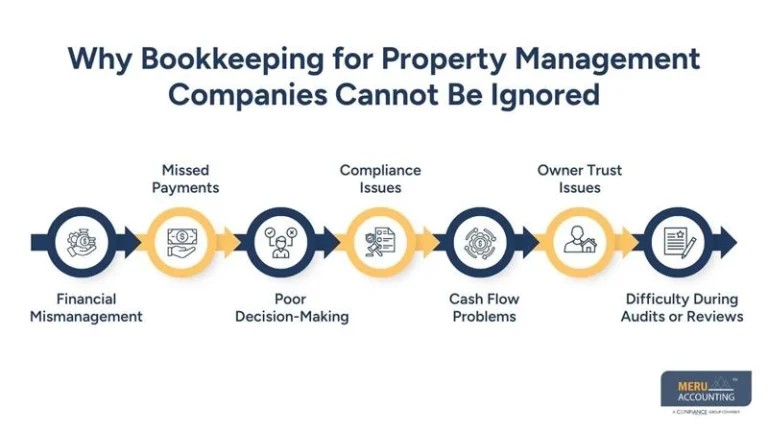
Without proper bookkeeping, property managers may miss rent payments, overpay vendors, or create incorrect owner reports. Even small mistakes can lead to disputes, penalties, and cash flow issues.
What Bookkeeping Covers in Property Management
Bookkeeping for property management companies includes recording and organizing:
- Rent income and late fees
- Security deposits
- Repair and maintenance expenses
- Vendor and contractor payments
- Payroll and operating costs
- Property-related taxes and fees
This work ensures every transaction is properly documented and matched with bank records.
Why It Matters Every Day
Good bookkeeping supports daily property operations by helping managers:
- Track who paid rent and who is overdue
- Control expenses and avoid overspending
- Maintain smooth cash flow for repairs and bills
- Create clear owner statements and reports
- Stay prepared for tax filing and audits
With accurate records, managers can quickly see which properties are performing well and which need attention.
Property Bookkeeping Helps Reduce Stress
Property bookkeeping keeps financial tasks simple and structured. Instead of scrambling at month-end, managers can rely on updated records to answer owner questions, manage vendor payments, and plan maintenance budgets with confidence.
Final Thoughts
In a fast-moving real estate environment, bookkeeping for property management companies is not optional—it’s a must. Strong bookkeeping improves financial control, reduces errors, and builds trust with both owners and tenants.
If you want smoother operations and better reporting, professional bookkeeping support can make a major difference.



























Sign in to leave a comment.