Seasonal demand is a normal part of manufacturing. Orders increase during busy months and slow down at other times, which can affect cash flow, inventory, staffing, and production. Accountants for manufacturers help businesses stay prepared by using clear financial data and practical planning to manage both peak and slow periods smoothly.
With the right accounting support, manufacturers can stay stable, control costs, and make better decisions throughout the year.
What You’ll Learn
- How seasonal demand impacts operations and finances
- Why planning ahead helps control costs and cash flow
- How accountants support businesses during busy and slow periods
- How financial data improves inventory and workforce decisions
- How good accounting practices support steady growth
Understanding Seasonal Demand in Manufacturing
Demand often changes due to weather, holidays, or industry cycles. During busy periods, manufacturers may face higher material costs, supplier delays, and pressure on production capacity. They also usually pay expenses before receiving customer payments, which can strain cash flow without proper planning.
Why Seasonal Planning Matters
- Helps control rising material and labor costs
- Keeps cash flow steady
- Improves production scheduling
- Reduces financial surprises
- Supports better decisions
- Keeps inventory at the right levels
The Role of Accountants in Demand Planning
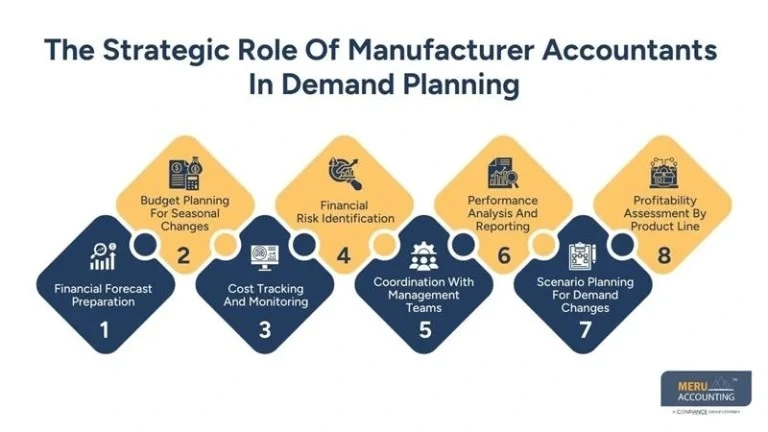
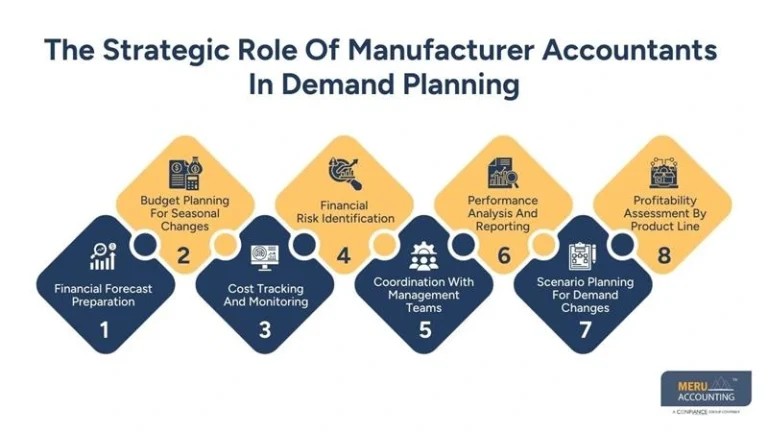
Accountants for manufacturers help by:
- Preparing financial forecasts based on past data
- Creating budgets that match demand cycles
- Tracking costs during busy and slow periods
- Identifying financial risks early
- Sharing insights with management teams
- Providing clear performance reports
- Planning for different demand scenarios
- Reviewing profits by product line
Using Past Data to Improve Forecasting
Accountants review sales history, production volumes, and seasonal patterns to predict future demand more accurately. This helps businesses plan staffing, inventory, and expenses while avoiding overspending.
Accounting Practices That Support Seasonal Planning
- Organizing sales and cost data clearly
- Tracking inventory values
- Aligning expenses with production timing
- Monitoring profit margins
- Providing reliable financial reports
Planning Workforce and Overhead During Peak Periods
Accountants estimate staffing needs, monitor overtime costs, review utility expenses, and analyze productivity to keep operations efficient without overspending.
Preventing Overstocking and Stockouts
Financial data helps forecast inventory needs, track turnover, plan purchase timing, control storage costs, and keep sales aligned with available stock.
Improving Profitability Across Demand Cycles
Accountants for manufacturers help control costs during busy periods, reduce expenses during slow months, support pricing decisions, plan cash reserves, and track profits over time.
Challenges Without Proper Accounting Support
- Poor cash flow planning
- Excess inventory
- Lost sales due to stockouts
- High labor costs
- Limited financial insight
How Meru Accounting Supports Manufacturers
Meru Accounting provides specialized support to help manufacturers manage seasonal demand. Their team helps with forecasting, budgeting, inventory tracking, cost control, and cash flow planning so businesses can operate smoothly year-round.
Key Takeaways
- Seasonal demand changes follow predictable patterns
- Planning ahead reduces risk and stress
- Accurate data leads to better decisions
- Specialized support improves stability
- Choosing the right accounting partner supports long-term success


























Sign in to leave a comment.